Pipettes: Applications in Research, Biotechnology, and Academia 2026
Pipettes are essential tools in laboratories across fields including research, biotechnology, and academia. They are designed to transport a measured volume of liquid, allowing for high precision in sample handling. This article will cover the various applications of pipettes, focusing on best practices and techniques for effective use.
What is it used for in 2026
In 2026, pipettes serve multiple functions within laboratories such as:
- Sample Preparation: Accurately measuring reagents and biological samples.
- Assay Development: Essential in protocols for ELISA, PCR, and other assays.
- Fluid Transfers: Moving samples between different containers or testing equipment.
- Research Applications: Used in various research projects including genetic studies, drug development, and environmental testing.
History and evolution of the technology
The evolution of pipetting technology spans decades, transitioning from bulk liquid handling methods to highly sophisticated electronic pipettes. Early versions were simple glass or plastic tubes, while modern designs incorporate advanced mechanisms for precision and ease of use, including features like adjustable volumes and ergonomic designs. The introduction of air displacement pipettes revolutionized liquid handling, allowing greater accuracy and reproducibility.
How to use it step by step
- Select the appropriate pipette: Choose based on the required volume and the nature of the liquid being handled.
- Attach a pipette tip: Ensure a secure fit to prevent leakage.
- Set the volume: Adjust the pipette to the desired volume.
- Draw the liquid: Press the plunger to the first stop, submerge the tip in the liquid, and slowly release the plunger to draw the liquid.
- Dispense the liquid: Position the tip over the receiving container, press to the second stop to release the liquid completely.
- Discard the tip: Eject the used tip into an appropriate waste container.
Best techniques and protocols
Effective pipetting techniques include:
- Pre-wet tips: Aspirate and dispense the liquid back into the source to condition the tip.
- Use a consistent angle: Maintain a vertical position to minimize air bubbles.
- Aspirate slowly: Pull the plunger gradually to avoid splashing.
- Dispense fully: Ensure complete liquid transfer by engaging the second stop.
Practical applications by laboratory type
Pipettes find application in various laboratory types as follows:
- Clinical Laboratories: Used for blood sample processing and diagnostics.
- Research Laboratories: Essential for experimental protocols in genetics and biochemistry.
- Quality Control Labs: Employed in testing product samples for compliance.
- Biotechnology Firms: Integral in the development of biopharmaceuticals.
Regulations, standards and certifications
Laboratory pipettes must adhere to several standards and regulations to ensure quality and safety. Common certifications include DIN EN ISO 8655, which outlines the requirements for pipette accuracy and precision. Compliance with these standards is crucial for laboratories aiming to maintain high-quality results and reliable workflows.
Comparison with alternative technologies
While pipettes are widely used, alternatives such as automated liquid handlers and dispensers are also available. These technologies can provide greater throughput and efficiency for high-volume labs. However, manual pipettes remain preferred for tasks requiring precision and flexibility in small-scale operations.
Comparison of available models
| Model | Best for | Key specs | Recommended use case |
|---|---|---|---|
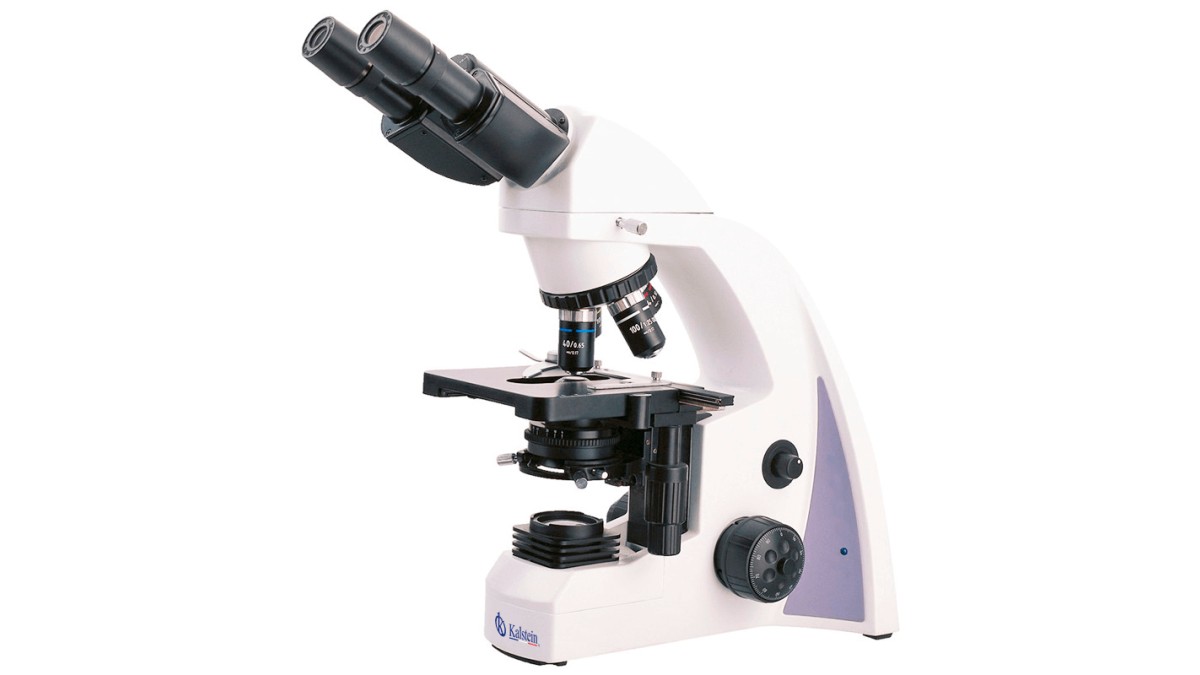
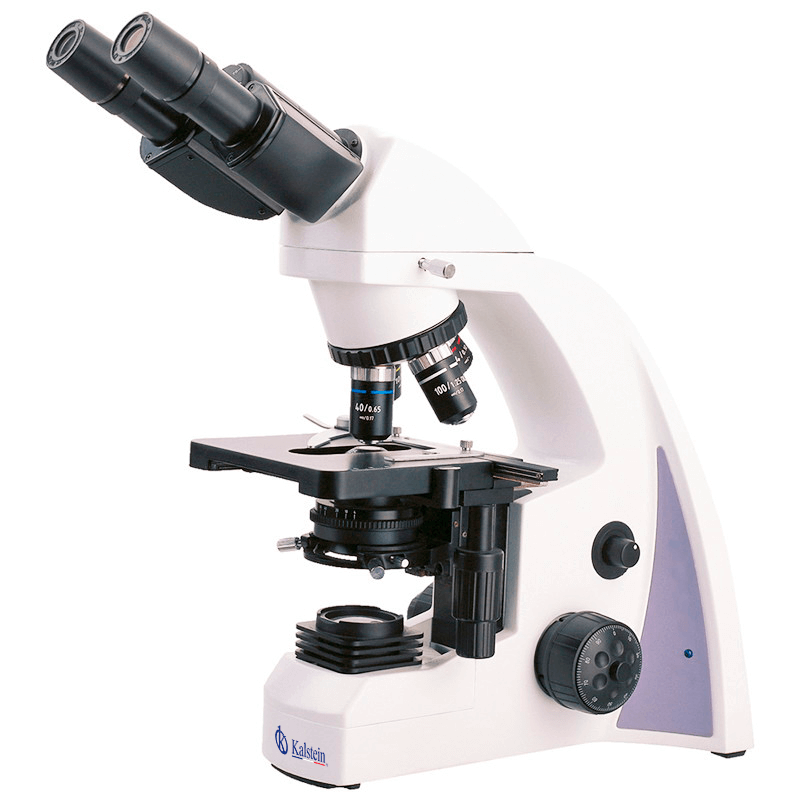
| YR0237-0-1 | General laboratory use | Wide-field eyepieces, Infinity objectives, adjustable condenser | Microscopic analysis of samples |
| YR0237-1 | Advanced laboratory applications | Wide-field eyepieces, trinocular head, adjustable condenser | Complex biological studies |
| YR0237-1-1 | Research laboratories | Wide-field eyepieces, Infinity objectives | High-precision microscopy |
| YR03731-1 | Micro-pipetting | 10 μl, ±1.0% accuracy | Small volume transfers |
| YR03731-2 | Micro-pipetting | 20 μl, ±1.0% accuracy | Small volume transfers |
| YR03731-3 | Micro-pipetting | 25 μl, ±1.0% accuracy | Small volume transfers |
Common mistakes and how to avoid them
Common errors include:
- Incorrect volume setting: Always double-check the volume before use.
- Using a wet tip: Ensure tips are dry to prevent contamination.
- Pipetting too fast: Use a steady hand to avoid splashes.
- Not engaging the second stop: This can lead to incomplete liquid transfer.
Maintenance, calibration and good practices 2026
Regular maintenance of pipettes is essential to ensure accuracy. Key practices include:
- Calibration: Schedule regular calibration based on usage frequency.
- Cleaning: Clean pipettes regularly to avoid contamination.
- Storage: Store pipettes in a vertical position to protect the tips.
Cost-benefit analysis 2026
Investing in quality pipettes yields significant benefits including:
- Increased accuracy: Reduces errors in experiments.
- Time savings: Efficient handling speeds up workflows.
- Durability: High-quality pipettes last longer, reducing replacement costs.
Frequently asked questions
What factors should I consider when choosing a pipette?
Consider the volume range, accuracy, type of liquid to be handled, and ergonomics when selecting a pipette.
How often should pipettes be calibrated?
Pipettes should be calibrated at least once a year, or more frequently based on usage and manufacturer recommendations.
What is the best technique for pipetting viscous liquids?
For viscous liquids, use a larger tip size and aspirate slowly to ensure proper uptake without splashing.
Are there specific maintenance tips for electronic pipettes?
Keep electronic pipettes clean, store them upright, and avoid exposing them to extreme temperatures.
Can I use the same pipette tip for different liquids?
It is not recommended to use the same tip for different liquids to prevent cross-contamination.
What are the signs that a pipette needs maintenance?
Inconsistent volume delivery, difficulty in pressing the plunger, or visible wear are signs that a pipette needs maintenance.
How can I ensure consistent pipetting results?
Implement standard operating procedures, practice good pipetting techniques, and regularly calibrate your equipment to ensure consistency.
To explore more about our pipetting solutions and request a quote, feel free to reach out to us.
If you are looking for a fusion of innovation and quality, you have come to the right place. At Kalstein, we offer you the luxury of exploring our exclusive catalog of laboratory equipment. We manufacture every device to the highest standards of excellence. Our intuitive and seamless online purchasing channels are designed for your convenience, securing the most competitive prices. Hesitate no longer — we bring science to life, it is time to become part of our community.