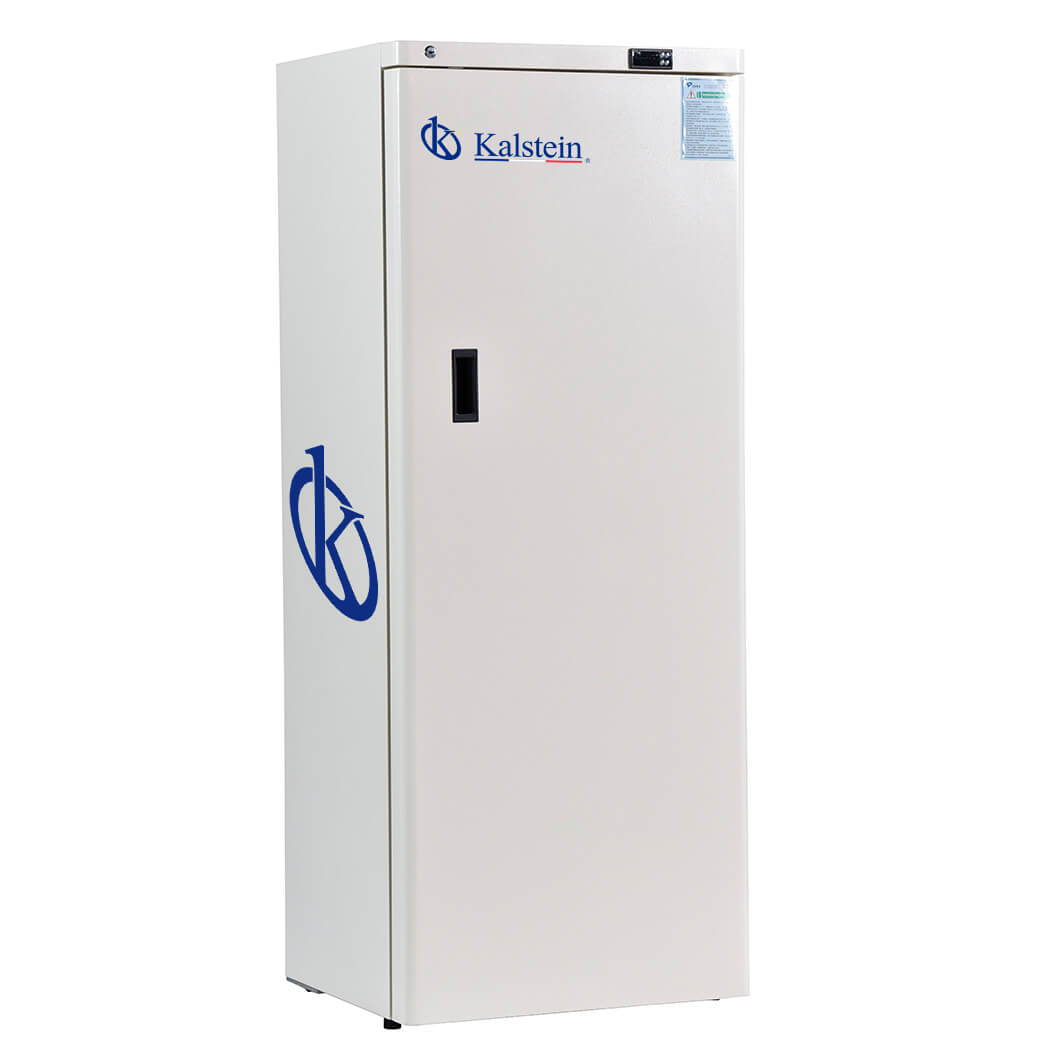
Optimizing Predictive Maintenance and Calibration for Upright Freezers in Laboratories
In laboratory settings, upright freezers play a crucial role in the preservation of biological samples and sensitive materials. Understanding the importance of predictive maintenance and regular calibration is essential for ensuring these devices operate effectively and maintain optimal temperature conditions. This article explores best practices, specific models, and essential strategies to optimize the use of upright freezers in laboratories.
The Role of Predictive Maintenance in Upright Freezers
Predictive maintenance refers to the proactive approach of monitoring equipment conditions to predict when maintenance should be performed. This strategy is particularly significant for upright freezers, as it helps prevent unexpected failures that could jeopardize stored samples. By employing predictive maintenance techniques, laboratories can reduce downtime, extend the lifespan of their equipment, and ensure compliance with laboratory standards.
Calibration: Ensuring Temperature Accuracy
Calibration is a critical component in maintaining the accuracy of temperature readings in upright freezers. Regular calibration ensures that the freezer operates within the specified temperature range, which is vital for preserving sensitive biological samples. Laboratories should establish a calibration schedule that complies with industry standards, including ISO/IEC requirements, to ensure consistent and reliable performance.
Common Calibration Standards and Practices
Calibration standards such as ISO 17025 play a significant role in laboratories that utilize upright freezers. This standard outlines the requirements for testing and calibration laboratories, ensuring they are competent and capable of producing valid results. Regular calibration checks should be performed using traceable standards to verify the accuracy of temperature readings against known reference points.
Comparison of Available Models
| Model Code | Temperature Range (°C) | Capacity (Liters) | Power Consumption (kWh/24h) | Best Use Case |
|---|---|---|---|---|
| YR05097 | -10 to -25 | 328 | 1.5 | General laboratory use |
| YR05294 | -10 to -25 | 328 | 1.5 | Storage of vaccines and plasma |
| YR05295 | -10 to -25 | 936 | 12.8 | Large-scale laboratory use |
| YR05296 | -40 to -86 | 340 | 11.2 | Long-term storage of biological materials |
| YR05297 | -40 to -86 | 338 | 12.8 | Storage for sensitive biological samples |
| YR05293 | -10 to -25 | 268 | 1.5 | Biomedical applications |
Best Practices for Predictive Maintenance
Implementing a successful predictive maintenance program for upright freezers involves several key practices. Regular visual inspections, temperature monitoring, and data logging are essential components. Utilizing software solutions can help track performance metrics and predict potential failures before they occur. Additionally, training staff on maintenance protocols can enhance the effectiveness of the program.
Understanding Failure Modes in Upright Freezers
Recognizing common failure modes in upright freezers is vital for effective maintenance. Frequent issues include compressor failure, temperature sensor malfunction, and evaporator issues. Each of these failures can disrupt the temperature stability of the freezer, leading to sample degradation. By understanding these failure modes, laboratories can tailor their maintenance strategies to address them proactively.
Creating a Calibration Plan
A calibration plan for upright freezers should include specific procedures for measuring temperature, identifying acceptable limits, and scheduling routine checks. Laboratories are encouraged to follow a documented process that aligns with ISO 17025 standards, including maintaining records of all calibration activities. Regular documentation helps in audits and ensures accountability for equipment performance.
Common Mistakes and How to Avoid Them
Laboratories often encounter pitfalls in predictive maintenance and calibration of upright freezers. Common mistakes include neglecting routine checks, using non-calibrated measuring devices, and failing to maintain accurate records. To avoid these issues, labs should adhere to established protocols, invest in quality measurement equipment, and prioritize training for staff to ensure compliance and reliability.
Frequently Asked Questions
How often should I calibrate my upright freezer to comply with ISO standards?
Calibration of upright freezers like the YR05294 should typically be performed annually, but more frequent checks may be necessary based on usage and regulatory requirements. Regular calibration ensures compliance with ISO 17025 standards, maintaining the integrity of stored biological materials.
What are the key benefits of predictive maintenance for upright freezers?
Implementing predictive maintenance for upright freezers, such as the YR05295, allows laboratories to minimize unexpected failures, optimize performance, and extend equipment lifespan. This proactive approach ultimately protects valuable samples and improves operational efficiency.
Which upright freezer is best for long-term storage of biological samples?
The YR05296 is ideal for long-term storage, operating at ultralow temperatures of -86°C, suitable for preserving sensitive biological materials. Its efficient cooling system and advanced features ensure sample integrity over extended periods.
What temperature range do I need for storing vaccines in an upright freezer?
An upright freezer like the YR05294, with a temperature range of -10 to -25°C, is optimal for storing vaccines. Maintaining this temperature range is critical for preserving vaccine efficacy and safety.
How can I track the performance of my upright freezer effectively?
To track the performance of upright freezers, laboratories can utilize data logging systems that monitor temperature and operational metrics. The YR05297 model includes advanced monitoring capabilities to ensure compliance and performance.
What should I consider when setting up a calibration schedule for my freezer?
When establishing a calibration schedule for upright freezers like the YR05293, consider factors such as usage frequency, manufacturer recommendations, and compliance with ISO standards. Regular assessments ensure accuracy and reliability in temperature management.
How does predictive maintenance affect the operational cost of upright freezers?
Predictive maintenance, especially for large units like the YR05295, can significantly reduce operational costs by preventing costly breakdowns and improving energy efficiency. This proactive approach leads to better budget management and resource allocation.
What are the critical components to monitor in an upright freezer for maintenance?
Key components for maintenance in upright freezers include the compressor, temperature sensors, and door seals. Monitoring these elements, especially in models like the YR05296, can prevent failures and ensure consistent temperature control.
If you are looking for a fusion of innovation and quality, you have come to the right place. At Kalstein, we offer you the luxury of exploring our exclusive catalog of laboratory equipment. We manufacture every device to the highest standards of excellence. Our intuitive and seamless online purchasing channels are designed for your convenience, securing the most competitive prices. Hesitate no longer — we bring science to life, it is time to become part of our community.