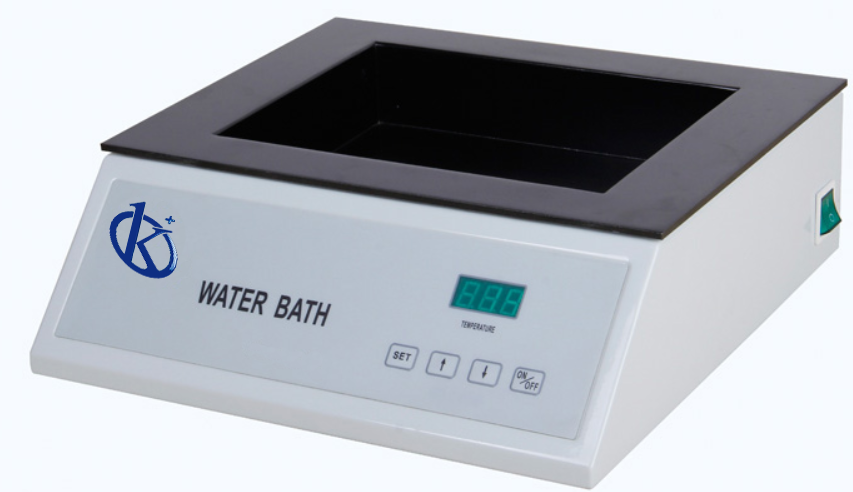
How to Optimize Productivity and Reduce Analysis Time with Tissue Water Baths?
Tissue Water Baths are essential tools in pathological anatomy laboratories, particularly for preparing tissue samples. Optimizing productivity and minimizing analysis time is crucial for laboratory professionals striving to enhance efficiency and output. This article delves into various models of Tissue Water Baths, focusing on their features, benefits, and how they can directly contribute to improved workflows in the lab.
Understanding the Importance of Tissue Water Baths in Productivity Optimization
The role of Tissue Water Baths extends beyond mere heating of samples; they are pivotal in sample preparation, influencing the quality of histological analysis. By reducing the time spent on sample preparation and ensuring consistent heating, these devices significantly impact overall laboratory productivity. For instance, a unit like the Water Bath YR449 offers rapid heating capabilities that can considerably decrease analysis time, allowing lab technicians to process more samples efficiently.
Key Features that Enhance Productivity
When selecting a Tissue Water Bath, it is vital to consider specific features that facilitate productivity enhancements. These include:
- Temperature Control: Precision in temperature control is crucial. Models such as the Water Bath YR451 provide accurate temperature regulation, ensuring sample integrity.
- Automatic Functions: Automatic memory functions, as seen in the YR449, minimize user error and streamline workflows, reducing the time taken for repetitive tasks.
- Monitoring Capabilities: Real-time temperature monitoring, a feature in models like the YR452, ensures that users can respond promptly to any deviations, thus preventing sample damage and enhancing throughput.
Comparison of Available Models
| Model | Temperature Range | Power Consumption (W) | Weight (kg) | Best for |
|---|---|---|---|---|
| YR449 | RT to 90 ℃ | 200 | 5 | Rapid heating applications |
| YR451 | 0 to 85 ℃ | 400 | 9 | Real-time monitoring |
| YR452 | RT to 75 ℃ | 500 | 9 | High-performance settings |
Common Mistakes and How to Avoid Them
Many laboratory professionals overlook crucial aspects when selecting a Tissue Water Bath. Common mistakes include:
- Ignoring Temperature Range: Selecting a model with an inadequate temperature range for specific applications can impede sample preparation. Ensure the chosen model meets the laboratory's requirements.
- Neglecting Maintenance: Regular maintenance is essential for consistent performance. Users should establish a maintenance schedule to prolong the lifespan of the device.
- Underestimating User Training: Proper training on the specific model is vital to maximize functionality and reduce analysis time.
How Temperature Control Affects Analysis Time
Temperature control is a pivotal factor in the efficiency of sample processing. Models like the YR451 with ±1℃ precision ensure that samples are heated uniformly, reducing the risk of overheating or underheating. This reliability directly translates to reduced analysis times, as operators spend less time troubleshooting temperature-related issues.
Real-time Monitoring: A Game Changer for Efficiency
The capacity for real-time monitoring is a significant feature of modern Tissue Water Baths. The YR452, for instance, offers a digital display that allows technicians to monitor temperatures instantly. This capability reduces analysis times, as immediate adjustments can be made if necessary. Real-time data also facilitates better logging practices, contributing to enhanced overall productivity.
Energy Consumption: Balancing Performance and Efficiency
Energy consumption in laboratory equipment is becoming increasingly important, especially in light of sustainability goals. The energy ratings of different models, such as the YR449 (200W) and YR451 (400W), should be considered in the context of their operational efficiency. Laboratories can analyze the energy consumption per sample processed to determine the most cost-effective option.
Automation Opportunities for Increased Throughput
Automation can significantly enhance the efficiency of laboratory workflows. Tissue Water Baths can be integrated into automated systems to minimize manual handling. This integration reduces the time laboratories spend on sample preparation and increases throughput. For example, coupling the YR451 with a robotic sample handler can create a seamless workflow, where samples are prepared and analyzed with minimal human intervention.
Frequently Asked Questions
How can I ensure my Tissue Water Bath meets ISO 17025 standards?
To ensure compliance with ISO 17025, select models like the YR451, which offer precise temperature control and monitoring capabilities, essential for maintaining the quality of sample analysis.
What are the best practices for using Tissue Water Baths to reduce analysis time?
Effective practices include maintaining consistent temperature settings and utilizing automatic memory functions available in models like the YR449 to streamline operations and reduce handling time.
How much energy does a typical Tissue Water Bath consume during operation?
The YR449 consumes around 200W, while the YR451 uses 400W. Analyzing consumption relative to throughput can help determine operational efficiency in your lab.
Which features should I prioritize for productivity in Tissue Water Baths?
Focus on models with real-time monitoring capabilities and automatic control, such as the YR452, to enhance operational efficiency and reduce analysis time significantly.
How can automation enhance the efficiency of Tissue Water Baths?
Integrating automated systems with Tissue Water Baths, like coupling the YR451 with robotic handlers, can significantly reduce manual intervention, thereby optimizing sample throughput and analysis times.
What common issues arise with Tissue Water Baths and how can they be mitigated?
Common issues include temperature inconsistencies and user error. Selecting high-precision models like the YR451 and ensuring proper user training can mitigate these problems effectively.
How does the size and weight of a Tissue Water Bath affect lab productivity?
The size and weight of models, such as the YR449 (5 kg) and YR451 (9 kg), can influence lab layout and mobility, impacting workflows. Choose models that align with your lab's space and throughput needs for optimal efficiency.
How do I choose the right Tissue Water Bath for my laboratory?
Consider temperature range, power consumption, and specific lab needs when selecting a model. The YR451, for instance, is ideal for labs needing real-time monitoring and precise control.
If you are looking for a fusion of innovation and quality, you have come to the right place. At Kalstein, we offer you the luxury of exploring our exclusive catalog of laboratory equipment. We manufacture every device to the highest standards of excellence. Our intuitive and seamless online purchasing channels are designed for your convenience, securing the most competitive prices. Hesitate no longer — we bring science to life, it is time to become part of our community.