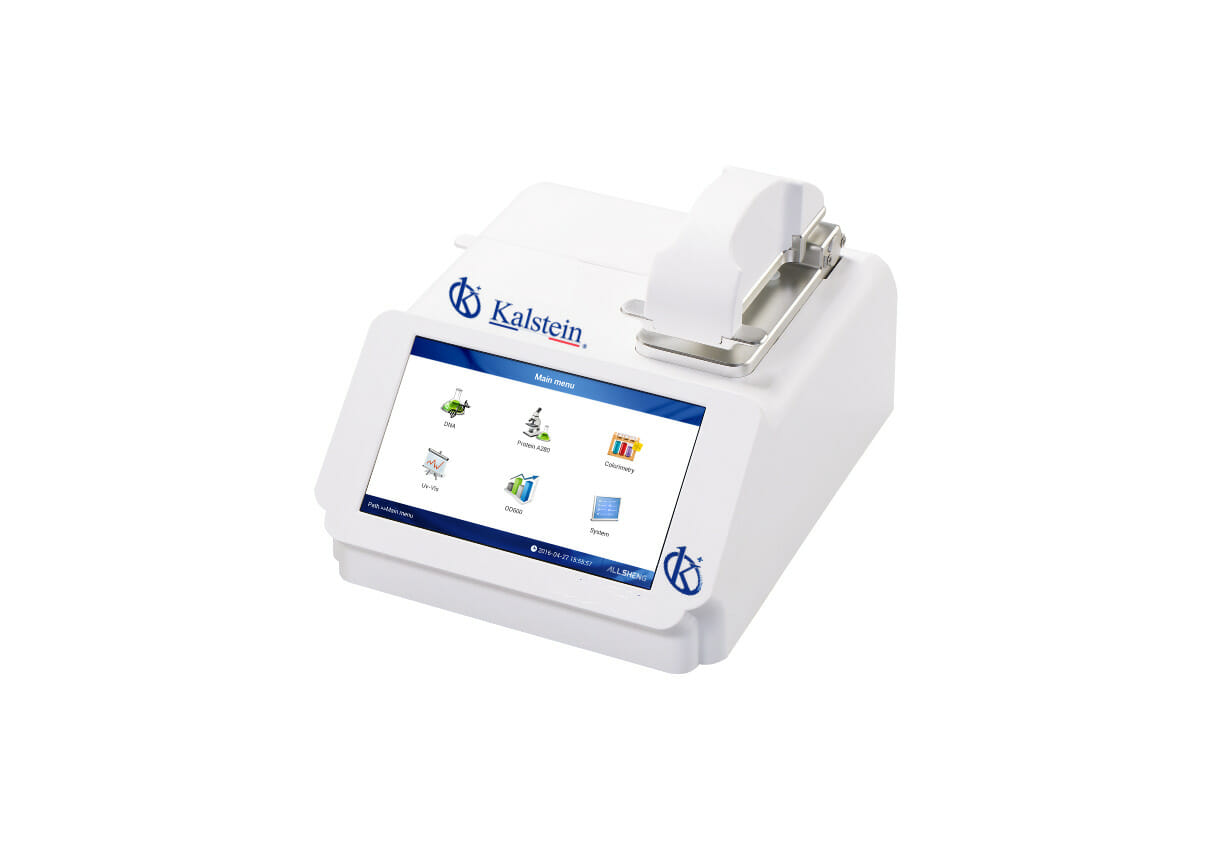
How to Optimize Productivity and Reduce Analysis Times with Micro-Spectrophotometers
In today's fast-paced laboratory environment, the need for efficient and accurate analysis methods is paramount. Micro-spectrophotometers, with their ability to analyze small sample volumes rapidly, are becoming essential for laboratories aiming to maximize productivity while minimizing analysis times. This article explores how different models of micro-spectrophotometers can contribute to these goals, alongside a comparative analysis of their features and capabilities.
Understanding Micro-Spectrophotometers
Micro-spectrophotometers are specialized devices designed to measure absorbance and transmittance of light in small volume samples, typically in the range of microliters. They are widely used in molecular biology, biochemistry, and clinical diagnostics for analyzing nucleic acids, proteins, and other biomolecules. By providing rapid analysis capabilities, these instruments significantly enhance laboratory throughput and allow for more efficient use of resources.
Comparison of Available Models
| Model | Wavelength Range | Minimum Sample Size | Measurement Time | Best For |
|---|---|---|---|---|
| YR06033-1 | 200-800 nm | 0.5-2.0 μl | <5 s | DNA, RNA, and protein analysis |
| YR06034 | 260 nm, 280 nm | 1-2.0 μl | <6 s | Nucleic acid purity assessment |
| YR06035 | 200-800 nm | 0.5-2.0 μl | <6 s | Bacterial concentration measurement |
| YR06033 | 190-1100 nm | 1 μl | 5 s | Comprehensive analysis of biomolecules |
Maximizing Sample Throughput
Micro-spectrophotometers are instrumental in enhancing sample throughput by requiring minimal sample volumes to deliver accurate results. For instance, the YR06033-1 model can analyze just 0.5 μl of a sample within five seconds, making it ideal for high-throughput labs. This capability allows laboratories to process more samples in less time, thereby increasing overall efficiency.
Streamlining Laboratory Workflow
Efficient laboratory workflow involves not only the speed of analysis but also the ease of sample handling and preparation. Models like the YR06034 allow users to place samples directly on the measurement platform without additional cuvettes, which simplifies the process and reduces preparation time. By minimizing these steps, laboratories can significantly enhance productivity.
Integration with Digital Solutions
Modern micro-spectrophotometers often come equipped with advanced digital interfaces that facilitate integration with laboratory information management systems (LIMS). This capability streamlines data management, allowing real-time analysis and reporting. By utilizing a model such as the YR06035, which supports direct USB data export, laboratories can easily incorporate spectral data into their digital workflows, further optimizing productivity.
Reducing Reagent Consumption
Another aspect of productivity optimization involves minimizing reagent waste. Micro-spectrophotometers allow for analysis with as little as 0.5 μl of sample, which translates to less reagent usage. The YR06033-1 model, for example, not only conserves materials but also ensures that laboratories can conduct a larger number of tests with limited resources, ultimately reducing costs associated with consumables.
Common Mistakes and How to Avoid Them
When utilizing micro-spectrophotometers, laboratories often encounter common pitfalls that can hinder productivity. One major mistake is improper maintenance of the equipment, which can lead to inaccurate results and increased downtime. Regular calibration, adherence to manufacturer guidelines, and proper training for personnel can mitigate these issues and ensure optimal performance.
Frequently Asked Questions
How can micro-spectrophotometers improve laboratory productivity?
Micro-spectrophotometers improve productivity by enabling rapid analysis of small sample volumes, as seen in the YR06033-1 model, which analyzes samples in less than five seconds. This speed allows labs to process more samples efficiently, enhancing throughput and reducing turnaround times.
What are the key benefits of using YR06034 for nucleic acid analysis?
The YR06034 model is designed to analyze nucleic acids with just 1-2 μl of samples. Its straightforward workflow eliminates the need for cuvettes, speeding up the process and ensuring high accuracy, making it a top choice for labs focused on nucleic acid purity assessment.
Which micro-spectrophotometer is best for bacterial concentration measurement?
The YR06035 is ideal for bacterial concentration measurement, featuring a unique OD600 function that allows rapid assessment with minimal sample volume. This capability supports laboratories in conducting efficient microbial analyses and speeds up their workflows.
How does integrating LIMS with micro-spectrophotometers enhance productivity?
Integrating LIMS with micro-spectrophotometers, like the YR06035, allows for real-time data management and reporting, minimizing manual data entry. This integration streamlines workflows and enhances laboratory efficiency significantly, ensuring accurate and timely results.
What factors should be considered when selecting a micro-spectrophotometer?
When selecting a micro-spectrophotometer, consider factors such as wavelength range, sample volume requirements, measurement speed, and ease of integration with existing systems. Models like the YR06033-1 excel in these areas, making them ideal for diverse laboratory applications.
How can I minimize reagent waste when using micro-spectrophotometers?
Minimizing reagent waste can be achieved by utilizing micro-spectrophotometers that require minimal sample volumes, such as the YR06034. By analyzing with just 1-2 μl, laboratories can reduce the amount of reagents needed for testing, directly lowering operating costs.
What maintenance practices are essential for micro-spectrophotometers?
Essential maintenance practices for micro-spectrophotometers include regular calibration, cleaning of optical components, and ensuring software is up to date. Following these practices helps maintain accuracy and reliability, allowing for continuous high productivity in laboratory analyses.
Conclusion
Micro-spectrophotometers represent a powerful tool for laboratories striving to optimize productivity and minimize analysis times. By selecting the right model and integrating effective workflow practices, laboratories can achieve significant improvements in their operational efficiency. If you are looking for a fusion of innovation and quality, you have come to the right place. At Kalstein, we offer you the luxury of exploring our exclusive catalog of laboratory equipment. We manufacture every device to the highest standards of excellence. Our intuitive and seamless online purchasing channels are designed for your convenience, securing the most competitive prices. Hesitate no longer — we bring science to life, it is time to become part of our community.