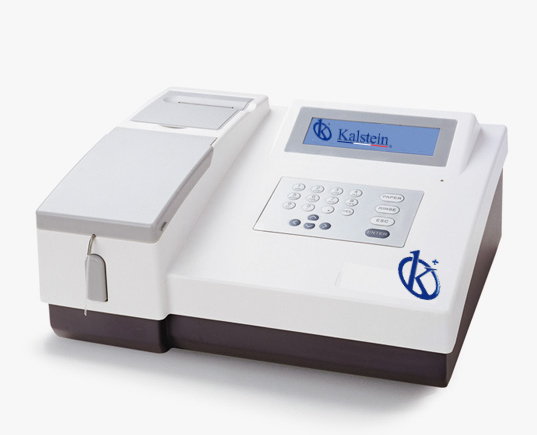
How to Optimize Predictive Maintenance and Calibration of Chemical Analyzers
In modern laboratory environments, the efficiency and accuracy of chemical analyzers are paramount. Maintaining optimal performance through predictive maintenance and regular calibration is essential for ensuring reliable test results. This article delves into strategies for optimizing these processes, focusing on various models within the chemical analyzer subcategory.
Understanding Predictive Maintenance and Calibration
Predictive maintenance involves monitoring the condition of equipment to predict when maintenance should be performed, helping to avoid unexpected breakdowns and costly downtime. Calibration, on the other hand, ensures that an instrument operates within its specified parameters by comparing its performance against a known standard. Implementing both practices is critical for laboratories aiming to enhance efficiency and reduce operational risks.
Key Factors for Effective Predictive Maintenance
Predictive maintenance strategies can be highly beneficial for chemical analyzers. Factors that influence the effectiveness of these strategies include:
- Data Monitoring: Continuous data collection regarding the performance of analyzers helps in identifying patterns that indicate the need for maintenance.
- Failure Mode Analysis: Understanding potential failure modes enables laboratories to take proactive measures in maintaining their equipment.
- Calibration Schedules: Establishing regular calibration intervals based on usage patterns ensures that analyzers provide accurate results.
Calibration Best Practices for Chemical Analyzers
Calibration is a necessary practice for ensuring that chemical analyzers operate accurately. Best practices include:
- Use of Traceable Standards: Always calibrate using standards that are traceable to national or international standards to ensure credibility and compliance.
- Documentation and Record Keeping: Maintain thorough records of all calibration activities, including dates, results, and adjustments made.
- Training Staff: Ensure that all personnel involved in calibration processes are adequately trained to maintain consistency and reliability.
Choosing the Right Calibration Frequency
The frequency of calibration should be determined based on several factors, including:
- Usage Frequency: Analyzers used more frequently may require more frequent calibration.
- Manufacturer Recommendations: Always follow the manufacturer's guidelines for calibration intervals.
- Environmental Conditions: Analyzers operating in harsh environments may require more frequent calibration due to potential impacts on their performance.
Comparison of Available Models
| Model | Calibration Frequency (Days) | Key Features | Best Use Case |
|---|---|---|---|
| YR05115 | 30 | 5-inch color display, 80 preprogrammed tests | Routine testing in medium-volume labs |
| YR05114 | 30 | Touchscreen, real-time curve visualization | Clinical applications requiring rapid results |
| YR06092 | 60 | Portable, adjustable temperatures | Field applications and small labs |
| YR06075 | 45 | Automatic washing system, 560 tests/hour | High-throughput labs needing efficiency |
| YR05116 | 30 | Windows OS, real-time reaction curves | Advanced analytical setups |
| YR06078 | 30 | 7 wavelengths, compact design | General laboratory use |
Common Mistakes and How to Avoid Them
Laboratories often encounter pitfalls when implementing predictive maintenance and calibration strategies. Common mistakes include:
- Neglecting Documentation: Failing to document maintenance activities can lead to overlooking crucial maintenance checks.
- Inconsistent Calibration: Inconsistent calibration practices can result in inaccurate results, compromising the integrity of data.
- Ignoring Environmental Factors: Environmental conditions can affect performance; thus, they should not be overlooked when scheduling maintenance or calibration.
Frequently Asked Questions
How can predictive maintenance improve the accuracy of chemical analyzers?
Implementing predictive maintenance in chemical analyzers like the YR06075 allows for real-time monitoring of equipment conditions, which helps identify potential issues before they lead to inaccurate results. Regular maintenance keeps the instruments operating within their specified parameters, thereby enhancing accuracy.
What is the ideal calibration frequency for portable chemical analyzers like the YR06092?
The YR06092 should ideally be calibrated every 60 days or whenever environmental conditions change significantly. This frequency ensures that the portable analyzer maintains accurate performance in various settings, providing reliable results for field applications.
Which chemical analyzer model is best for high-throughput labs?
The YR06075 is designed for high-throughput environments, capable of performing up to 560 tests per hour. Its automatic washing system further enhances its efficiency, making it suitable for labs that require rapid results without compromising quality.
How to establish a calibration plan for chemical analyzers?
Establishing a calibration plan involves defining the frequency of calibration based on usage, selecting traceable standards, and documenting each calibration event. For instance, the YR05115 should be calibrated every 30 days to ensure optimal performance in routine testing scenarios.
What are the benefits of using traceable standards for calibration?
Using traceable standards ensures that calibration results are credible and can be verified against recognized benchmarks. For all models, including the YR05116, adhering to this practice helps laboratories maintain compliance with quality standards.
How does environmental condition affect calibration of chemical analyzers?
Environmental conditions such as temperature and humidity can significantly impact the performance of chemical analyzers. For example, models like the YR06078 may require more frequent calibration in adverse conditions to ensure accuracy and reliability of test results.
What common mistakes should laboratories avoid during calibration?
Common mistakes include neglecting documentation and failing to follow manufacturer guidelines. For models like the YR05114, maintaining a consistent calibration schedule is critical for ensuring reliable performance and compliance with standards.
How does predictive maintenance reduce costs in laboratory operations?
Predictive maintenance lowers costs by preventing unexpected equipment failures, reducing downtime and prolonging the life of instruments like the YR06075. Regular maintenance helps avoid costly last-minute repairs and ensures continuous operation.
If you are looking for a fusion of innovation and quality, you have come to the right place. At Kalstein, we offer you the luxury of exploring our exclusive catalog of laboratory equipment. We manufacture every device to the highest standards of excellence. Our intuitive and seamless online purchasing channels are designed for your convenience, securing the most competitive prices. Hesitate no longer — we bring science to life, it is time to become part of our community.