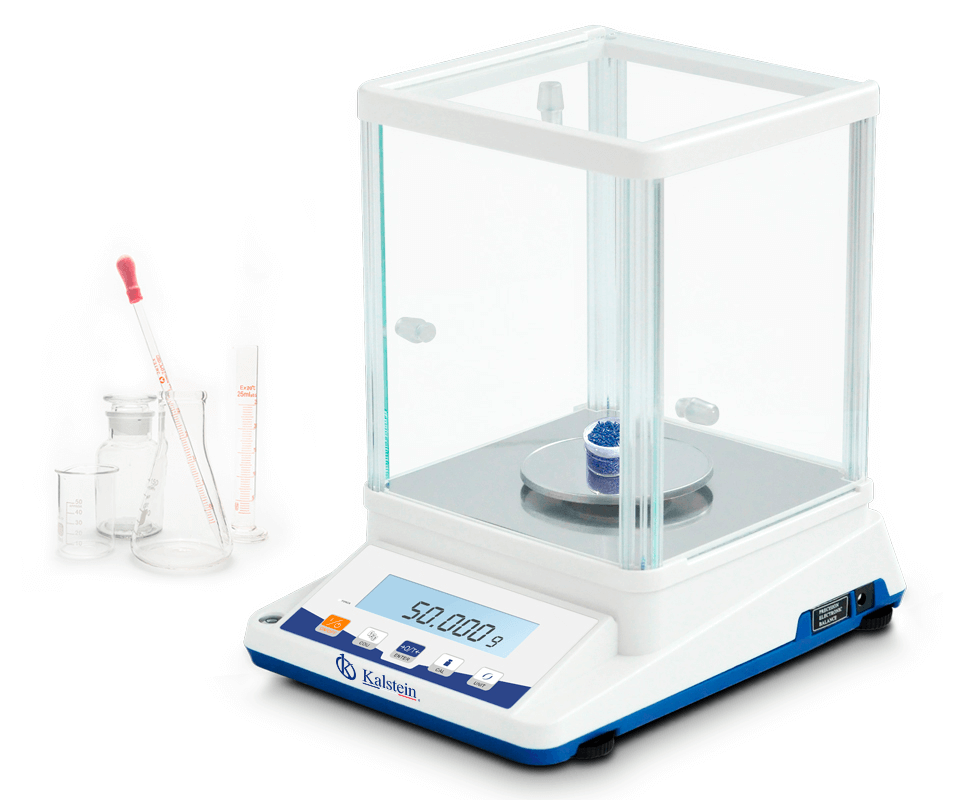
How to Optimize Precision Balances for LIMS Integration and Data Flow Digitalization
The integration of precision balances with Laboratory Information Management Systems (LIMS) is essential for modern laboratories looking to enhance their workflow and data accuracy. Digitalization of data flow not only improves efficiency but also ensures compliance with industry standards. In this article, we will explore how to effectively integrate precision balances into LIMS, focusing on several models, their capabilities, and best practices.
Understanding LIMS and Data Flow Digitalization
A Laboratory Information Management System (LIMS) is designed to manage samples, associated data, and laboratory workflows efficiently. By integrating precision balances into a LIMS, laboratories can automate data collection and minimize human error. Digitalizing the flow of information allows for real-time data access and analysis, leading to improved decision-making and laboratory performance.
Digitalization in laboratories also encompasses the electronic tracking of samples and data management, ensuring that information is readily available and compliant with regulatory requirements. This integration is crucial for laboratories aiming for ISO 17025 accreditation, where accurate data and traceability are key.
Key Features of Precision Balances for LIMS Integration
When selecting a precision balance for LIMS integration, consider features that facilitate seamless connectivity and data transfer. Key features include:
- Connectivity Options: Look for balances that support various connectivity protocols such as USB, Ethernet, and serial ports.
- Data Formatting: Ensure the balance can output data in formats compatible with LIMS, such as CSV or XML.
- Ease of Integration: Choose balances that provide documentation and support for integration, including APIs and middleware solutions.
Comparison of Available Models
| Model | Connectivity | Protocols Supported | Integration Effort | Best For |
|---|---|---|---|---|
| YR05584 | USB, RS-232 | ASTM, HL7 | Moderate | General laboratory use |
| YR05585 | USB, RS-232 | ASTM, HL7 | Moderate | High accuracy requirements |
| YR05586 | USB, RS-232 | ASTM | Low | Small labs |
| YR05587 | USB, RS-232 | ASTM, HL7 | Moderate | Laboratories needing dual interface |
| YR05588 | USB | ASTM | Low | Budget-friendly options |
| YR05589 | USB | ASTM | Low | Basic weighing tasks |
Common Mistakes and How to Avoid Them
When integrating precision balances with LIMS, laboratories often encounter several pitfalls that can hinder efficiency:
- Neglecting Compatibility: Always ensure that the balance supports the protocols required by your LIMS.
- Inadequate Training: Provide comprehensive training to staff on how to use and integrate the balances effectively.
- Ignoring Data Security: Implement security measures to protect sensitive data flowing between devices.
Optimizing Data Flow with Precision Balances
To optimize data flow using precision balances, consider implementing the following practices:
- Automated Data Entry: Utilize balances that automatically feed data into the LIMS to reduce manual inputs.
- Real-time Monitoring: Ensure the integration allows for real-time tracking of weight measurements and sample data.
- Regular Maintenance: Schedule regular maintenance of balances to ensure accurate readings and prolong equipment lifespan.
Calibration and Compliance in LIMS Integration
Calibration is essential for ensuring that precision balances meet regulatory standards. Laboratories must adhere to ISO 17025 guidelines, which specify calibration procedures and frequency. Regular calibration of balances like the YR05584 helps maintain accuracy and compliance, ensuring that data captured is reliable and traceable.
Data Security Considerations
Data security during the integration of precision balances and LIMS is paramount. Implement robust cybersecurity measures such as encryption and access controls to protect sensitive information. Regular audits of data flow and access logs can help identify potential vulnerabilities.
Frequently Asked Questions
How can I ensure my precision balances meet LIMS integration requirements?
To ensure your precision balances meet LIMS integration requirements, select models like the YR05584 that support common connectivity options such as USB and RS-232. Additionally, verify that the balance is compatible with data formats required by your LIMS.
What are the key features to look for in a precision balance for LIMS?
Key features to consider include connectivity options, data formatting capabilities, and ease of integration. For instance, the YR05587 balance offers dual interface options, making it suitable for complex laboratory environments needing seamless data transfer.
Which precision balances offer the best data flow digitalization capabilities?
Balances like the YR05586 are ideal for data flow digitalization due to their support for various protocols like ASTM. Their ability to automate data transfer to LIMS significantly enhances workflow efficiency in laboratories.
How often should I calibrate my precision balances for compliance?
Calibration frequency varies based on laboratory standards and usage but should generally be performed at least annually. Balances such as the YR05584 require regular calibration to maintain compliance with ISO 17025 and ensure accurate results.
What protocols should my precision balance support for LIMS integration?
Protocols such as ASTM and HL7 are essential for effective LIMS integration. For example, the YR05585 supports both, making it an excellent choice for laboratories looking to enhance their data management systems.
How can I optimize the data collection process with precision balances?
To optimize data collection, choose balances like the YR05588 which feature automated data entry capabilities. This minimizes manual input errors and streamlines the process of capturing weight measurements in your LIMS.
What are the common challenges faced during LIMS integration?
Common challenges include compatibility issues, inadequate training, and data security concerns. Balances like the YR05586 can help alleviate these challenges with their user-friendly interfaces and robust security features.
Conclusion
Integrating precision balances with LIMS is crucial for enhancing laboratory efficiency and ensuring compliance with industry standards. By selecting the right balance model and implementing best practices for data flow digitalization, laboratories can significantly improve their operational workflows. Request a quote on Kalstein Plus to explore suitable precision balances for your laboratory needs.
If you are looking for a fusion of innovation and quality, you have come to the right place. At Kalstein, we offer you the luxury of exploring our exclusive catalog of laboratory equipment. We manufacture every device to the highest standards of excellence. Our intuitive and seamless online purchasing channels are designed for your convenience, securing the most competitive prices. Hesitate no longer — we bring science to life, it is time to become part of our community.