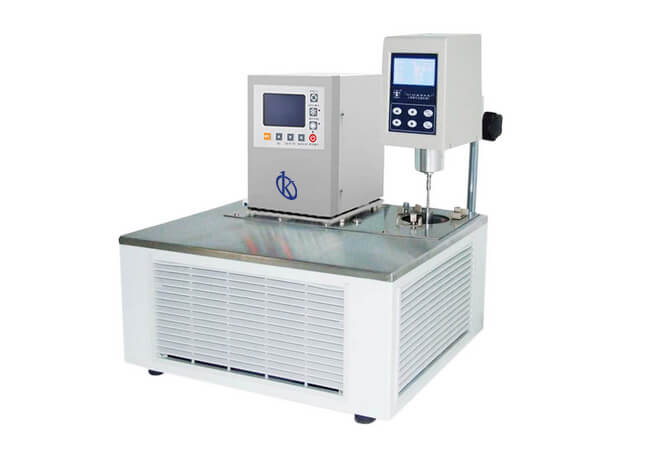
How to Optimize Energy Sustainability with Bath Circulators
In the pursuit of greater energy sustainability and reduced environmental impact, laboratory professionals are increasingly focused on the equipment they choose. Bath circulators, crucial in temperature control for various applications, play a significant role in this movement towards eco-friendly practices. This article delves into the features of different bath circulator models, highlighting their energy efficiency, design, and operational benefits, allowing professionals to make informed choices that align with sustainability goals.
Understanding Energy Sustainability in Laboratory Settings
Energy sustainability is about reducing energy consumption while maintaining operational efficiency. In laboratories, this involves selecting equipment that minimizes energy use and environmental footprint. Bath circulators, used for temperature control in experiments and processes, can significantly contribute to this goal. By focusing on energy-efficient models and operational practices, laboratories can reduce their energy costs and environmental impact.
Key Features to Look for in Energy-Efficient Bath Circulators
When evaluating bath circulators for energy sustainability, key features include:
- PID Temperature Control: Ensures precise temperature regulation, minimizing energy waste.
- High-Quality Insulation: Reduces heat loss, improving energy efficiency.
- Low Noise and Vibration Levels: Indicates efficient operation, often correlating with better energy use.
- Durable Construction: Materials such as stainless steel enhance longevity, minimizing the need for replacements.
Benefits of Using Energy-Efficient Bath Circulators
Energy-efficient bath circulators not only lower energy costs but also support environmental initiatives. Key benefits include:
- Cost Savings: Reduced energy bills contribute to overall operational savings.
- Compliance with Regulations: Many regions mandate energy efficiency standards, making compliance simpler with the right equipment.
- Enhanced Performance: Efficient models often provide better temperature stability, improving experimental outcomes.
Comparison of Available Models
| Model | Temperature Range (°C) | Flow Rate (L/min) | Price (USD) | Best For |
|---|---|---|---|---|
| YR04985 | -5 to 99.9 | Not specified | 583.00 | High precision for viscometry |
| YR04999 | -30 to 100 | 14 | 1367.00 | Control of electronic components |
| YR04996 | -5 to 100 | 30 | 867.00 | Chemical synthesis |
| YR04988 | -20 to 100 | 14 | 617.00 | Life sciences experiments |
| YR04989 | -30 to 100 | Not specified | 717.00 | General laboratory use |
| YR04986 | -5 to 100 | 14 | 500.00 | Educational setups |
Common Mistakes and How to Avoid Them
Laboratory professionals often make mistakes when selecting bath circulators that can negatively impact energy sustainability. Common pitfalls include:
- Ignoring Energy Ratings: Always check the energy efficiency rating before purchasing.
- Focusing Solely on Initial Costs: Consider long-term operational costs, including energy consumption.
- Neglecting Maintenance: Regular maintenance is essential to ensure ongoing energy efficiency and performance.
Strategies for Reducing Energy Consumption in Bath Circulator Use
To optimize energy use when operating bath circulators, consider the following strategies:
- Optimize Temperature Settings: Use the minimum temperature necessary for your application.
- Regular Calibration: Ensure accurate temperature readings to avoid energy waste.
- Insulate Containers: Reduce heat loss by insulating the bath containers when possible.
Lifecycle Assessment of Bath Circulators
Conducting a lifecycle assessment can help laboratories understand the environmental impact of their bath circulators. This assessment should include:
- Manufacturing Impact: Analyze the materials used and energy involved in production.
- Operational Efficiency: Assess energy consumption during use.
- Disposal and Recycling: Consider end-of-life options for the equipment, promoting recycling and responsible disposal.
Frequently Asked Questions
How much energy do bath circulators consume compared to conventional heaters?
Bath circulators typically consume less energy than conventional heaters due to their efficient PID control systems. For example, the YR04999 model, with a temperature range of -30 to 100°C, optimizes energy use, significantly reducing long-term operational costs compared to non-efficient heating methods.
What are the benefits of using PID control in bath circulators?
PID control in bath circulators, like the YR04985, enhances temperature stability and minimizes energy waste by adjusting heating elements based on real-time temperature feedback. This leads to improved experimental accuracy and lower energy consumption, aligning with sustainability efforts.
Which bath circulator model is best for minimizing environmental impact?
The YR04999 model is designed for energy efficiency and can operate from -30 to 100°C, making it suitable for various applications while minimizing environmental impact through effective temperature control and lower energy consumption.
How can I ensure my bath circulator meets energy efficiency standards?
To ensure compliance with energy efficiency standards, choose models with certified ratings, such as the YR04996, which incorporates high-efficiency components and insulation. Additionally, regularly maintaining the equipment can help sustain its efficiency over time.
What is the average lifespan of an energy-efficient bath circulator?
Energy-efficient bath circulators, like the YR04988, typically have a lifespan of 5-10 years, depending on usage and maintenance. Regular upkeep, such as calibration and component checks, can extend their operational life while maintaining efficiency.
How does the design of a bath circulator affect its energy consumption?
The design of bath circulators, such as the YR04985, influences energy consumption by affecting heat retention and operational efficiency. Models with superior insulation and efficient pumps tend to consume less energy, promoting sustainability in laboratory practices.
Which features are crucial for sustainable operation in bath circulators?
Crucial features for sustainable operation include PID temperature control, high-quality insulation, and efficient pumping systems. Models like the YR04989 exemplify these characteristics, helping laboratories reduce their energy footprint while maintaining effective temperature regimes.
Conclusion
Choosing the right bath circulator is essential for laboratories aiming to enhance energy sustainability and reduce their environmental footprint. By selecting models that prioritize efficiency and implementing best practices, professionals can contribute to a more sustainable laboratory environment.
If you are looking for a fusion of innovation and quality, you have come to the right place. At Kalstein, we offer you the luxury of exploring our exclusive catalog of laboratory equipment. We manufacture every device to the highest standards of excellence. Our intuitive and seamless online purchasing channels are designed for your convenience, securing the most competitive prices. Hesitate no longer — we bring science to life, it is time to become part of our community.