How Miniaturization and Portability Are Transforming Field Laboratory Equipment
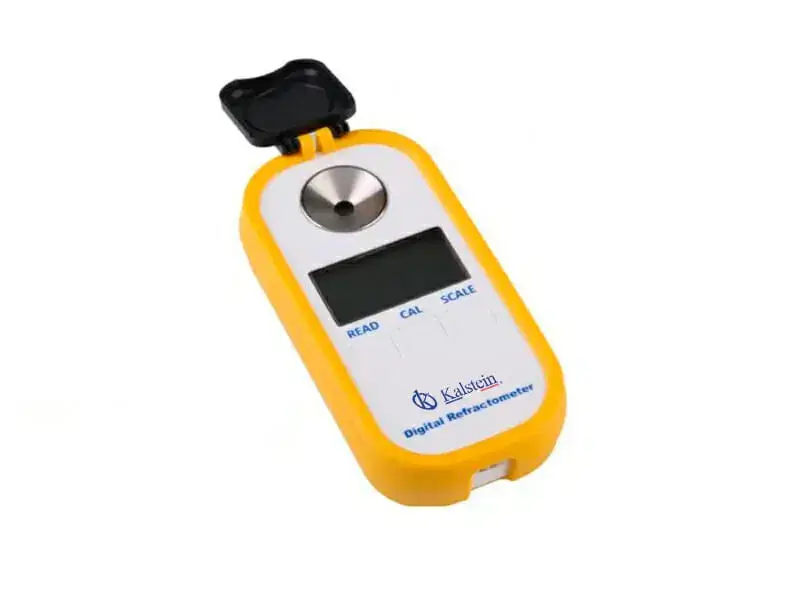
The growing focus on portability and miniaturization has initiated a significant transformation in the landscape of field laboratory equipment, particularly in digital salinity refractometers. These devices, essential for measuring the salinity of various solutions, are designed to be compact and easy to use, making them ideal for on-site testing. As laboratory professionals seek to enhance their field workflows, understanding the unique features and specifications of different models becomes paramount.
Understanding Miniaturization and Portability in Laboratory Contexts
Miniaturization refers to the reduction of size and weight of laboratory equipment without compromising performance. This trend is pivotal for laboratory professionals working in field scenarios where space and weight constraints are critical. Portability allows for seamless transport and operation of instruments in various locations, ensuring that accurate measurements can be obtained in real-time. The latest digital salinity refractometers embody these principles, offering advanced functionalities while maintaining a compact form factor.
Comparison of Available Models
| Model Code | Measurement Range | Minimum Division | Accuracy | ATC | Best For |
|---|---|---|---|---|---|
| YR05953 | 0.0–28.0% | 0.10% | ±0.1% | Yes | Measuring salinity in freshwater applications. |
| YR05954 | 0–280‰ | 1‰ | ±1‰ | Yes | Ideal for marine salinity measurements. |
| YR05955 | 1.000-1.217 | 0.001 | ±0.002 | Yes | Suitable for density measurement in brine solutions. |
| YR05956 | 1.3330–1.3900 nD | 0.0001 nD | ±0.0003 nD | Yes | Perfect for refractive index measurements in solutions. |
| YR05957 | 0–100‰ | 1‰ | ±2‰ | Yes | Useful for sampling in various environmental conditions. |
| YR05958 | 0–57‰ | 1‰ | ±2‰ | Yes | Designed for testing in food and beverage applications. |
| YR05959 | 1.000-1.070 | 0.001 | ±0.002 | Yes | Applicable in industrial settings for solution density. |
| YR05960 | 1.3330–1.3530 nD | 0.0001 nD | ±0.0003 nD | Yes | Ideal for precise laboratory conditions. |
Benefits of Miniaturization in Digital Salinity Refractometers
The advancements in the design of digital salinity refractometers have brought about numerous benefits, especially in terms of portability and ease of use. For example, the YR05953 model, with its compact size, allows field technicians to conduct measurements without the need for extensive setup or calibration. This reduces the time spent on site and enhances overall productivity.
Furthermore, many models now feature automated temperature compensation (ATC), negating the need for manual adjustments. This feature ensures accurate readings across a range of temperatures, which is essential for environmental monitoring.
Portability and Field Deployment Considerations
For laboratory professionals, portability is crucial when selecting equipment for field deployment. The compact design of models like the YR05954 ensures that they can easily fit into standard field kits, providing quick access during site assessments. Additionally, the durability of these devices, often rated to withstand harsh conditions, allows them to be used in various outdoor settings without compromising accuracy.
Common Mistakes and How to Avoid Them
When using digital salinity refractometers, laboratory professionals often make mistakes that can affect the accuracy of their results. One common error is not allowing the device to equilibrate to the sample temperature before taking readings. To ensure reliable measurements, it's critical to follow the manufacturer's guidelines for each specific model, such as the YR05955, which has specific operational instructions related to temperature compensation.
Another mistake involves improper calibration. Regular calibration checks are essential to maintain accuracy, especially when measuring variables that can fluctuate, such as salinity in different environments. Utilizing the calibration protocols provided with each model can prevent discrepancies in test results.
Technological Innovations Enhancing Portability
Recent technological innovations have led to enhanced portability features in digital salinity refractometers. For instance, many models now incorporate rechargeable batteries that allow for extended use without the need for continuous power sources. The YR05956 model exemplifies this by offering a battery life that supports extended fieldwork without interruption.
Moreover, advancements in display technology have made it easier for users to interpret results quickly and accurately. High-contrast screens used in models like the YR05957 ensure that readings are visible in various lighting conditions, a critical factor when working outdoors.
Application Scenarios for Miniaturized Refractometers
Miniaturized digital salinity refractometers find applications in diverse fields. In environmental monitoring, for instance, the YR05958 is particularly useful for testing the salinity of water sources, enabling quick assessments that inform conservation efforts. In food and beverage industries, refractometers help maintain quality control by ensuring that salinity levels in products meet established standards.
Future Trends in Laboratory Equipment Portability
Looking ahead, the trend toward miniaturization and portability in laboratory equipment will likely continue to grow. As technology advances, we can expect even smaller, more efficient devices that maintain accuracy and reliability. Integrating features such as wireless connectivity and data logging capabilities may also become standard, allowing laboratory professionals to streamline their workflows further.
Frequently Asked Questions
How do miniaturized digital salinity refractometers improve fieldwork efficiency?
Miniaturized digital salinity refractometers, like the YR05954, enhance fieldwork efficiency by offering compact designs that require minimal setup. Their lightweight nature allows for easy transport, enabling laboratory professionals to conduct measurements quickly on-site, thus improving productivity during environmental assessments.
What specific applications are best suited for the YR05957 model?
The YR05957 model is ideal for applications in environmental monitoring, particularly for measuring salinity levels in diverse water bodies. Its portability and accuracy make it a valuable tool for field technicians conducting eco-studies or water quality assessments.
What are the calibration requirements for digital salinity refractometers?
Calibration requirements can vary by model, but regular checks are essential for maintaining accuracy. Models like the YR05956 typically come with specific calibration protocols that should be followed to ensure reliable measurements, especially when used in varying environmental conditions.
Which features make the YR05953 model suitable for freshwater applications?
The YR05953 is designed with a measurement range specifically tailored for freshwater applications, offering readings from 0.0 to 28.0% salinity. Its automatic temperature compensation feature ensures accuracy across different temperatures, making it ideal for a variety of freshwater environments.
How does the battery life of compact refractometers affect field usability?
Compact refractometers, such as the YR05958, often feature rechargeable batteries that enhance field usability. Extended battery life allows technicians to conduct multiple measurements without needing to recharge, making these devices suitable for prolonged fieldwork without interruptions.
What advancements in display technology benefit users of salinity refractometers?
Recent advancements in display technology, such as high-contrast screens in models like the YR05955, benefit users by ensuring that readings are clear and easy to interpret in various lighting conditions. This is particularly important during fieldwork, where ambient light can affect visibility.
Why is temperature compensation important in salinity measurements?
Temperature compensation is crucial because salinity readings can vary with temperature fluctuations. Models like the YR05954 utilize automatic temperature compensation (ATC) to ensure that measurements remain accurate regardless of the temperature of the sample being tested.
What should I consider when choosing a portable digital salinity refractometer?
When choosing a portable digital salinity refractometer, consider the measurement range, accuracy, battery life, and ease of use. Models like the YR05959 offer a combination of these features, making them suitable for various field applications.
If you are looking for a fusion of innovation and quality, you have come to the right place. At Kalstein, we offer you the luxury of exploring our exclusive catalog of laboratory equipment. We manufacture every device to the highest standards of excellence. Our intuitive and seamless online purchasing channels are designed for your convenience, securing the most competitive prices. Hesitate no longer — we bring science to life, it is time to become part of our community.