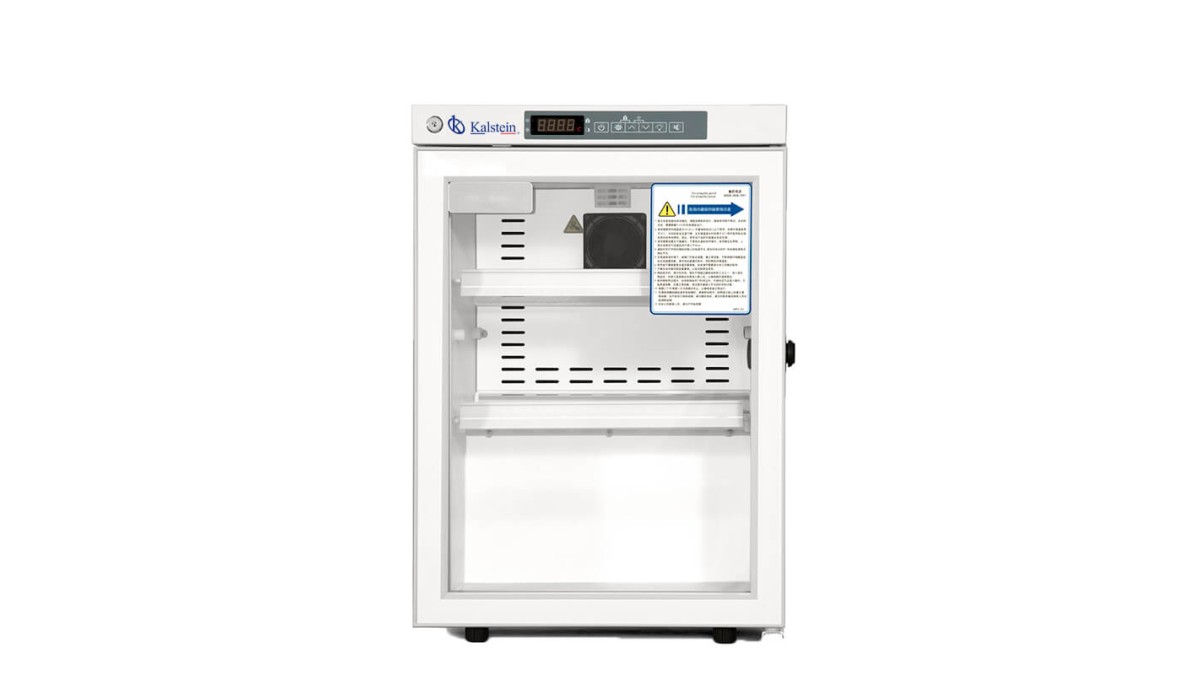
Medical Refrigerators: Applications and Techniques 2026
What is it used for in 2026
Medical refrigerators are vital in the healthcare sector, specifically in clinical and hospital laboratories. They are designed to store temperature-sensitive materials like vaccines, pharmaceuticals, and blood products, ensuring they remain effective and safe for use. In 2026, there is an increasing demand for reliable medical refrigeration solutions due to the rise in pharmaceutical products requiring strict temperature regulations. These refrigerators are equipped with advanced technology to maintain stable temperatures, monitor conditions, and ensure compliance with health regulations.
History and evolution of the technology
The evolution of medical refrigerators started in the mid-20th century when the need for safe storage of vaccines became apparent. Early models were simple cooling boxes that relied on ice, which were inadequate for modern requirements. Over the decades, technology advanced, leading to the introduction of energy-efficient compressors, improved insulation, and electronic monitoring systems. By the 2020s, medical refrigerators incorporated smart technology, such as IoT capabilities, allowing remote monitoring and alerts for temperature breaches, making them indispensable in modern medical facilities.
How to use it step by step
Using medical refrigerators effectively requires following specific steps to ensure optimal performance:
- Installation: Place the refrigerator in a location with adequate ventilation, away from heat sources.
- Setup: Connect the refrigerator to a power source and configure the temperature settings according to the manufacturer's guidelines.
- Organizing contents: Use shelves and compartments to keep items organized. Avoid overcrowding to ensure proper air circulation.
- Monitoring: Regularly check the digital display to verify that the temperature remains within the recommended range (usually 2-8°C).
- Alarms: Familiarize yourself with the alarm system. Ensure alarms for door openings or temperature deviations are functional.
- Maintenance: Schedule routine maintenance checks to ensure optimal functioning and address any issues promptly.
Best techniques and protocols
To maximize the efficiency of medical refrigerators, consider the following best practices:
- Keep a log of temperature checks to track any fluctuations over time.
- Use calibrated thermometers to verify the internal temperature periodically.
- Implement a routine cleaning schedule to prevent contamination and maintain hygiene standards.
- Train staff on proper usage protocols to minimize the chances of human error.
- Ensure that backup power systems are in place to maintain refrigeration during power outages.
Practical applications by laboratory type
Different laboratory types utilize medical refrigerators in unique ways:
- Clinical Laboratories: Primarily for storing blood samples, reagents, and vaccines that require specific temperature conditions.
- Pharmaceutical Labs: Used to keep a range of drugs under controlled temperatures, ensuring efficacy and safety for clinical trials.
- Research Facilities: Utilized to store research specimens and biological materials that demand strict temperature control.
- Hospitals: Essential for storing medications, especially immunizations and sensitive biological products.
Regulations, standards and certifications
Medical refrigerators must comply with various regulations and standards to ensure safety and quality. In 2026, key regulations include:
- FDA guidelines for vaccine storage and handling.
- CDC recommendations regarding temperature monitoring and maintenance for immunizations.
- ISO standards related to medical equipment, ensuring devices meet international quality standards.
- Local health authority regulations that govern the proper maintenance and operation of medical refrigeration systems.
Comparison with alternative technologies
While medical refrigerators are designed specifically for temperature-sensitive storage, there are alternative technologies:
- Freezers: Used for long-term storage of samples but may not keep materials within the required 2-8°C range.
- Cold Chain Solutions: Used during transportation of medical products but require reliable refrigeration upon reaching their destination.
- Thermal Insulated Containers: Useful for temporary storage but lack the continuous temperature monitoring capabilities of medical refrigerators.
Comparison of available models
| Model | Best for | Key specs | Recommended use case |
|---|---|---|---|
| YR05083 | General medical use | 0.84 kWh/24h, 50 dB, 2-8°C | Optimal for storing vaccines and pharmaceuticals. |
| YR05085 | Medium-sized storage | 3.97 kWh/24h, 50 dB, 2-8°C | Ideal for clinics with moderate inventory of temperature-sensitive products. |
| YR05086 | Large volume storage | 5.75 kWh/24h, 52 dB, 2-8°C | Best for hospitals needing to store a vast amount of items securely. |
| YR05087 | High demand usage | 6.23 kWh/24h, 53 dB, 2-8°C | Recommended for environments with heavy usage and frequent access. |
| YR05286-1 | Pharmacy storage | Varies, 2-8°C | Perfect for pharmacy grade storage with high visibility. |
| YR05288 | Pharmaceuticals | 2.2 kWh/24h, 47 dB, 2-8°C | Used for safely storing vaccines and temperature-sensitive drugs. |
Common mistakes and how to avoid them
Common mistakes in the use of medical refrigerators can lead to compromised materials. Here are some to watch out for:
- Improper Temperature Settings: Always ensure settings match the requirements for the stored items. Regularly verify settings against guidelines.
- Overloading the Refrigerator: Keep capacity within recommended limits to allow for proper air circulation.
- Ignoring Alarms: Act promptly on any alerts; they are critical for preventing material loss.
- Neglecting Maintenance: Schedule and perform regular maintenance to prevent unforeseen breakdowns and ensure longevity.
Maintenance, calibration and good practices 2026
Proper maintenance and calibration are crucial:
- Regularly clean the interior and exterior surfaces to prevent contamination.
- Calibrate temperature sensors annually to ensure they are functioning accurately.
- Check door seals for wear and tear to maintain efficiency.
- Perform a quarterly audit of temperature logs and alarm functionality.
Cost-benefit analysis 2026
Investing in a medical refrigerator is a financial commitment, but the benefits often outweigh costs:
- Protection of Valuable Inventory: Avoids costly losses of vaccines and pharmaceuticals.
- Compliance with Regulations: Helps facilities meet health and safety standards.
- Efficiency: Energy-efficient models can reduce operational costs over time.
- Enhanced Patient Care: Reliable storage can lead to better outcomes through effective treatment protocols.
Frequently asked questions
What temperature should medical refrigerators maintain?
Medical refrigerators should typically maintain a temperature range of 2-8°C to ensure the safety and efficacy of stored materials.
How often should I check the temperature of my medical refrigerator?
It is recommended to check the temperature daily and log the readings to track any fluctuations over time.
What should I do if the temperature goes out of range?
Immediately investigate the cause, adjust the temperature settings if necessary, and take corrective action to secure the materials.
How can I ensure my medical refrigerator is compliant with regulations?
Regularly review the local health regulations, maintain logs, and perform necessary calibrations to ensure compliance.
Can I store non-medical items in a medical refrigerator?
It is best to avoid storing non-medical items as this can lead to contamination and affect the performance of the refrigerator.
What are the signs that my medical refrigerator needs maintenance?
Signs include unusual noises, temperature fluctuations, alarm activations, and physical wear on the appliance.
How long do medical refrigerators last?
With proper maintenance, medical refrigerators can last between 10 to 15 years, depending on usage and model quality.
If you are looking for a fusion of innovation and quality, you have come to the right place. At Kalstein, we offer you the luxury of exploring our exclusive catalog of laboratory equipment. We manufacture every device to the highest standards of excellence. Our intuitive and seamless online purchasing channels are designed for your convenience, securing the most competitive prices. Hesitate no longer — we bring science to life, it is time to become part of our community.