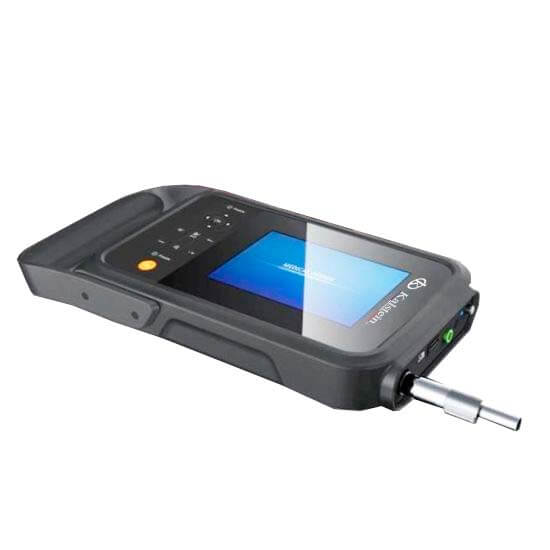
Maximizing ROI in Ultrasonic Diagnostic Equipment: A Comprehensive Cost-Benefit Analysis
In the rapidly evolving landscape of laboratory diagnostics, ultrasonic diagnostic equipment has become essential for various applications, including veterinary medicine, obstetrics, and cardiology. As laboratories strive to optimize operations and enhance patient care, understanding the return on investment (ROI) and performing a comprehensive cost-benefit analysis becomes crucial. This article will delve into the financial implications of different ultrasonic diagnostic models, highlighting how laboratories can maximize their investments.
Understanding ROI in Ultrasonic Diagnostic Equipment
Return on investment (ROI) in the context of ultrasonic diagnostic equipment refers to the financial benefits gained from the purchase and utilization of these devices versus their costs. To effectively assess ROI, laboratories must consider several factors:
- Initial Capital Expenditure (CAPEX)
- Operational Expenditure (OPEX)
- Payback Period
- Cost per Test
- Depreciation of Equipment
By analyzing these metrics, laboratories can make informed decisions about which ultrasonic diagnostic equipment best meets their needs while providing the highest financial returns.
Comparison of Available Models
| Model | CAPEX (USD) | Cost per Test | Payback (months) | Best for |
|---|---|---|---|---|
| YR05146 | 850.00 | 5.00 | 17 | Veterinary use |
| YR05147 | 1150.00 | 6.50 | 16 | Obstetrics/Gynecology |
| YR05154 | 850.00 | 5.50 | 15 | General diagnostic use |
| YR05154-1 | 1150.00 | 6.00 | 18 | Tablet integration |
| YR05155 | 950.00 | 5.75 | 16 | Linear probe diagnostics |
| YR05155-1 | 1190.00 | 6.20 | 19 | Tablet integration with linear probe |
Key Factors Influencing Cost-Benefit Analysis
When conducting a cost-benefit analysis for ultrasonic diagnostic equipment, several factors should be evaluated:
Initial Costs vs. Long-Term Value
While some models, like the YR05146, may have lower initial costs, their long-term value in terms of durability, maintenance, and operational efficiency is equally important. A model with a higher initial investment may prove more cost-effective over time if it offers advanced features and lower operating costs.
Efficiency and Throughput
Another aspect to consider is the efficiency of each model. For instance, the YR05147, designed for obstetric applications, may have faster imaging speeds leading to increased throughput, thereby enhancing overall productivity in a clinical setting.
Operational Expenditures: The Hidden Costs
Operational expenditures can significantly affect the overall ROI of ultrasonic diagnostic equipment. These include:
- Consumables and Maintenance Costs
- Energy Consumption
- Training and Personnel Costs
For instance, while the YR05155 may have a lower purchase price, it is essential to evaluate its maintenance costs, which could negate initial savings over time.
Common Mistakes and How to Avoid Them
Understanding the common pitfalls in selecting ultrasonic diagnostic equipment can prevent costly mistakes:
Focusing Solely on Purchase Price
One prevalent mistake is focusing only on the purchase price. It is essential to factor in total operational costs and potential savings to gain a holistic view of ROI.
Ignoring Software and Connectivity Features
Many models, such as the YR05154-1, provide advanced connectivity options that can enhance overall laboratory efficiency. Neglecting these features can lead to suboptimal integration and higher long-term costs.
Frequently Asked Questions
What is the average ROI for ultrasonic diagnostic equipment in a veterinary lab?
The average ROI for ultrasonic diagnostic equipment, like the YR05146, can typically be realized within 12-24 months, depending on usage frequency and operational costs.
How do I calculate the operational cost of ultrasonic diagnostic equipment?
To calculate operational costs, you should include maintenance, consumables, and energy expenses associated with each model, such as the YR05147, to assess the total cost per procedure.
What features should I look for in portable ultrasonic diagnostic equipment?
When looking for portable models like the YR05155, consider battery life, weight, and ease of use, as these factors greatly influence operational efficiency and user satisfaction.
How can I reduce costs when using ultrasonic diagnostic equipment?
Cost reduction strategies include optimizing usage schedules and investing in multi-functional models, such as the YR05154-1, which can perform various procedures, reducing the need for multiple devices.
What maintenance is required for ultrasonic diagnostic equipment?
Regular maintenance for models like the YR05146 includes routine inspections, software updates, and sensor calibrations to ensure optimal performance and longevity.
How does software integration impact ROI for ultrasonic diagnostic devices?
Software integration improves data management, efficiency, and reporting capabilities, which can directly impact ROI and workflow in labs using models like the YR05147.
What should I consider when comparing different ultrasonic diagnostic models?
Consider initial costs, long-term operational expenses, features, support services, and user reviews to assess models like the YR05155 and YR05155-1 effectively.
Why is it essential to evaluate the payback period for ultrasonic diagnostic equipment?
Evaluating the payback period helps labs understand how quickly they can expect to recover their investment, a crucial metric when assessing models like the YR05146 in financial terms.
If you are looking for a fusion of innovation and quality, you have come to the right place. At Kalstein, we offer you the luxury of exploring our exclusive catalog of laboratory equipment. We manufacture every device to the highest standards of excellence. Our intuitive and seamless online purchasing channels are designed for your convenience, securing the most competitive prices. Hesitate no longer — we bring science to life, it is time to become part of our community.