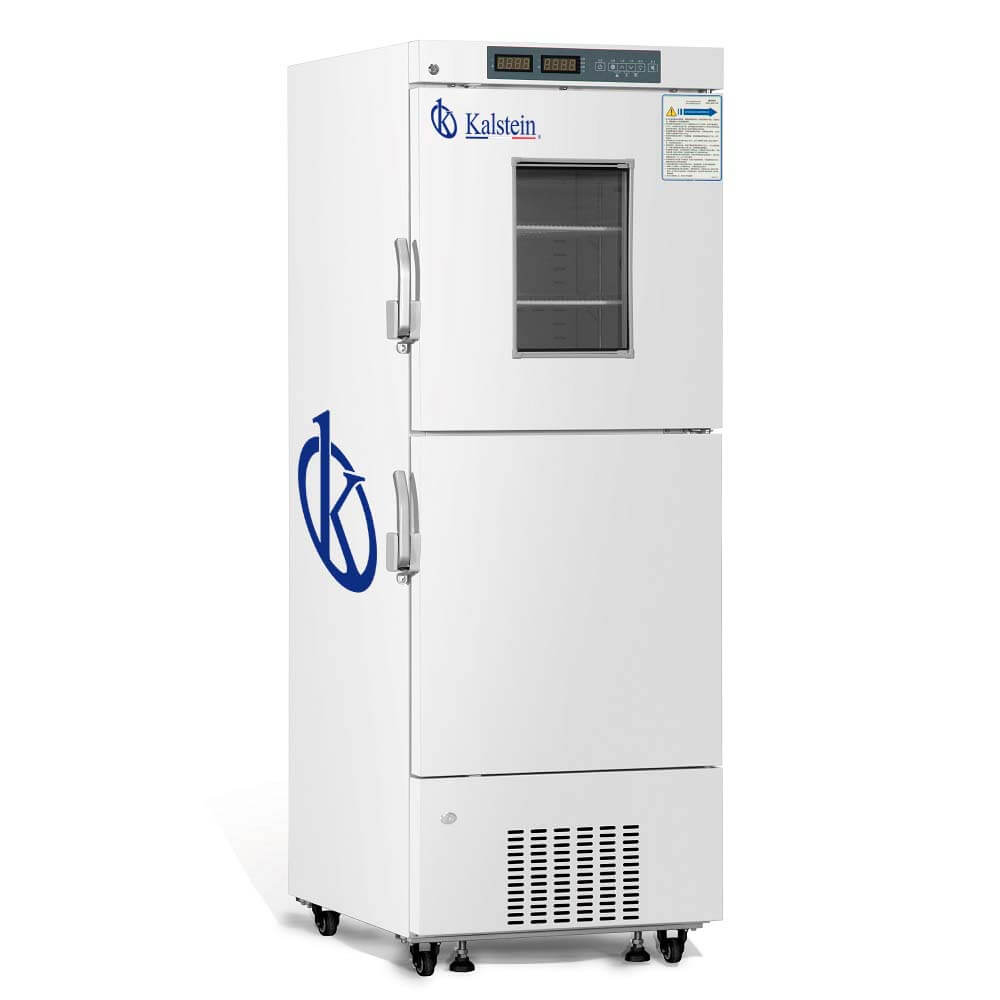
Maximizing ROI in Laboratory Combined Freezers: A Cost-Benefit Analysis
In today's laboratory environment, efficient management of resources is crucial. Combined freezers, serving dual purposes, play a vital role in the refrigeration process for biological materials and pharmaceuticals. Understanding the return on investment (ROI) and the cost-benefit analysis of these freezers can substantially enhance their efficient use within laboratories. This article will delve into the specifics of how these models contribute to enhanced performance and cost efficiencies in laboratory settings.
Understanding Combined Freezers and Their Importance in Laboratories
Combined freezers, such as the YR05320 and YR05321, are designed to provide both refrigeration and freezing capabilities, making them indispensable in many laboratory settings. Their ability to maintain varied temperature ranges allows for the proper storage of vaccines, plasma, and other sensitive biological materials. This section will discuss the critical features that laboratories should consider when investing in a combined freezer.
Key Features Impacting ROI in Combined Freezers
The ROI associated with combined freezers can be significantly influenced by various features. These include energy efficiency, storage capacity, maintenance costs, and advanced technology integrations. For example, the YR05321 offers a dual cooling system that allows independent temperature control, enhancing its utility and energy management. Understanding how each feature contributes to overall laboratory efficiency can help in making informed purchasing decisions.
Cost-Benefit Analysis Framework
A well-structured cost-benefit analysis framework is essential when evaluating potential investments in combined freezers. It should include initial investment costs, operational expenses, and projected savings from reduced energy consumption. For instance, the YR05320 has an operational cost of approximately 4.15 kWh per 24 hours, which can be compared against other models to assess cumulative savings over time. Establishing these metrics allows laboratories to forecast their ROI effectively.
Comparative Model Analysis of Combined Freezers
To illustrate the differences among various combined freezer models, we will compare their specifications and cost-related factors. This comparison can provide valuable insights for laboratory managers aiming to select the most cost-effective solution for their needs.
Comparison of Available Models
| Model | CAPEX (USD) | Daily Energy Cost (USD) | Payback Period (Months) | Best for |
|---|---|---|---|---|
| YR05320 | 1415.00 | 0.63 | 24 | Pharmaceutical storage |
| YR05321 | 1060.00 | 0.45 | 20 | Blood stations |
| YR05321-1 | 745.00 | 0.31 | 18 | Laboratory research |
Common Mistakes and How to Avoid Them
When investing in combined freezers, laboratories often make critical mistakes that can affect ROI. Common errors include not adequately assessing energy consumption, overlooking maintenance costs, and failing to consider future scalability. Ensuring a comprehensive evaluation of these factors can prevent unnecessary expenses and enhance the longevity of the investment.
Frequently Asked Questions
What is the energy consumption of YR05320 combined freezer compared to others?
The YR05320 combined freezer operates at approximately 4.15 kWh per 24 hours, making it an energy-efficient option within its category. Its effective energy use contributes positively to overall ROI in laboratory settings.
How does the YR05321 support independent temperature control?
The YR05321 model features a dual cooling system that provides independent temperature control for both the upper and lower compartments, allowing for optimal storage conditions for various materials, making it suitable for hospitals and laboratories.
What are the maintenance requirements for combined freezers?
Combined freezers like the YR05320 require manual defrosting and regular checks of the cooling systems to ensure optimal performance. Understanding these maintenance needs can prevent costly repairs and extended downtime.
How can I calculate the payback period for laboratory freezers?
The payback period can be calculated by dividing the initial investment by the annual savings on operational costs. For example, with a YR05321 costing 1060.00 and daily energy costs around 0.45, the payback period can be assessed effectively.
What factors influence the ROI of combined freezers in laboratories?
Key factors include initial purchase cost, energy efficiency, maintenance costs, and lifespan of the equipment. Models like the YR05321-1 can reduce operational expenses significantly, enhancing ROI over time.
Which model is best suited for vaccine storage?
The YR05320 is particularly well-suited for vaccine storage due to its temperature range of -20℃ to -40℃, ensuring that vaccines remain viable and effective for use in clinical settings.
How does temperature fluctuation affect ROI in laboratory freezers?
Temperature fluctuations can lead to material spoilage and increased costs. Models like the YR05321, which maintain steady temperatures, help mitigate these risks, ensuring better ROI by preserving the integrity of stored materials.
How can laboratories improve energy efficiency with combined freezers?
Laboratories can enhance energy efficiency by selecting models with lower operational costs, such as the YR05321-1, and implementing regular maintenance schedules to ensure optimal performance.
If you are looking for a fusion of innovation and quality, you have come to the right place. At Kalstein, we offer you the luxury of exploring our exclusive catalog of laboratory equipment. We manufacture every device to the highest standards of excellence. Our intuitive and seamless online purchasing channels are designed for your convenience, securing the most competitive prices. Hesitate no longer — we bring science to life, it is time to become part of our community.