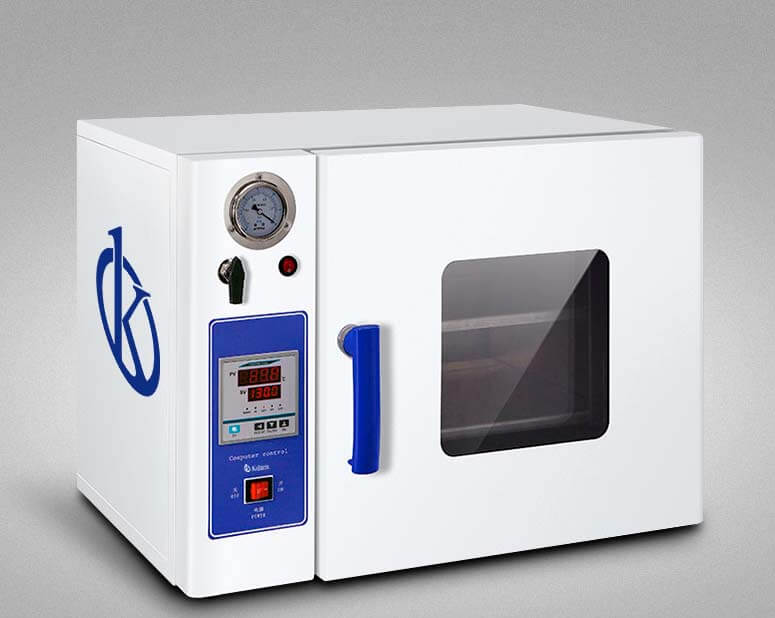
Maximizing ROI and Cost-Benefit Analysis for Laboratory Vacuum Ovens
In today’s laboratory environment, the need for efficient and effective equipment is paramount. Vacuum ovens are essential tools used across various fields such as biochemistry, pharmaceuticals, and environmental research. Understanding the return on investment (ROI) and conducting a thorough cost-benefit analysis can help laboratory managers make informed decisions about purchasing and operating vacuum ovens. This article will delve into the key factors affecting ROI, provide insights into various models, and include a comparative analysis to aid in decision-making.
Understanding ROI and Cost-Benefit Analysis in Laboratories
ROI is a financial metric that evaluates the profitability of an investment compared to its cost. In a laboratory setting, this involves analyzing the costs associated with purchasing, operating, and maintaining laboratory equipment, and comparing these costs against the benefits derived from their use. Cost-benefit analysis further encompasses a broader perspective, considering qualitative benefits alongside quantitative metrics. This comprehensive approach enables laboratory professionals to gauge the true value of their investments.
Key Factors Influencing ROI for Vacuum Ovens
Several factors impact the ROI of vacuum ovens, including initial costs, operating expenses, and expected lifespan. Initial costs cover the purchase price, installation, and any additional accessories. Operating expenses encompass energy consumption, maintenance, and consumables like vacuum pumps and cleaning agents. The expected lifespan of the oven significantly affects depreciation rates and replacement costs, making it essential to select models that offer durability and efficiency.
Comparative Analysis of Vacuum Oven Models
When considering vacuum ovens, it is crucial to compare different models based on their specifications and expected performance. Below is a table that summarizes key aspects of the vacuum ovens available:
| Model | CAPEX (USD) | Cost per Test (USD) | Payback Period (Months) | Best for |
|---|---|---|---|---|
| YR05260-A | 330 | 2.00 | 16 | General laboratory use |
| YR05261-A | 460 | 2.50 | 18 | Pharmaceutical applications |
| YR05262-SS | 400 | 2.25 | 17 | Environmental research |
| YR05263-SS | 590 | 2.80 | 20 | Biochemical research |
| YR05264-A | 690 | 3.00 | 22 | Sensitive materials |
| YR05265-SS | 845 | 3.50 | 24 | Complex applications |
Common Mistakes and How to Avoid Them
Laboratories often make several common mistakes when acquiring vacuum ovens. One frequent error is underestimating the total cost of ownership, which includes maintenance and consumable expenses. Another mistake is neglecting to evaluate the specific application needs that the vacuum oven must meet. Before purchasing, it's essential to conduct a thorough needs analysis to ensure that the chosen model aligns with laboratory goals and budgets.
Evaluating Energy Efficiency and Sustainability
Energy efficiency is a critical consideration in laboratory operations, as it directly affects operating costs and environmental impact. Vacuum ovens vary in their energy consumption, typically measured in kilowatt-hours (kWh). When selecting a model, examine its specifications and choose one that balances energy efficiency with performance. Models like the YR05260-A are designed for optimal energy use, which can significantly reduce long-term operational costs.
Integration with Laboratory Management Systems
For laboratories utilizing laboratory management systems (LMS), integrating vacuum ovens can streamline processes and enhance productivity. It's essential to consider models that offer connectivity capabilities, allowing for seamless data transfer and monitoring. Features such as automated data logging provide valuable insights into operational efficiency and aid in compliance with regulatory standards.
Assessing Maintenance and Support
Maintenance needs vary by model and can greatly influence the ROI of vacuum ovens. It's crucial to choose models that offer reliable support and service options. Consider the availability of maintenance contracts and the ease of obtaining replacement parts. Established models, such as the YR05261-A and YR05262-SS, come with comprehensive support, ensuring that laboratories can minimize downtime due to maintenance issues.
Frequently Asked Questions
How can I calculate the ROI for a vacuum oven in my laboratory?
To calculate ROI for a vacuum oven, consider the initial purchase cost, operating expenses, and the expected lifespan. For example, if you purchase the YR05260-A for $330 with an estimated lifespan of 24 months and operational costs of $50 per month, calculate the total returns against these costs to derive the ROI.
What are the common maintenance costs associated with vacuum ovens?
Maintenance costs for vacuum ovens typically include routine servicing, replacement parts, and consumables such as filters and cleaning agents. Models like the YR05263-SS may have slightly higher maintenance costs due to their complexity, so consider budgeting accordingly.
Which vacuum oven model is best for energy efficiency?
The YR05260-A is one of the most energy-efficient models available, with low energy consumption rates. Choosing energy-efficient equipment can help reduce operational costs and improve the overall sustainability of your laboratory operations.
What factors should I consider for integrating vacuum ovens with LMS?
When integrating vacuum ovens with laboratory management systems (LMS), consider connectivity options, data logging capabilities, and compatibility with existing software. Models like the YR05261-A often feature advanced connectivity, making integration smoother.
How do I ensure compliance with laboratory regulations using vacuum ovens?
Compliance can be ensured by selecting vacuum ovens that meet relevant ISO standards. Regular calibration and maintenance of models like the YR05262-SS help maintain compliance and operational integrity as per laboratory regulations.
What is the expected lifespan of a typical vacuum oven?
The expected lifespan of vacuum ovens varies by model but typically ranges from 5 to 10 years. For instance, the YR05264-A and YR05265-SS models are designed for longevity, with regular maintenance extending their usability significantly.
How do I determine the cost per test for a vacuum oven?
Determine the cost per test by dividing the total operating costs by the number of tests conducted in a given time frame. For example, if the operating cost for the YR05262-SS is $400 per month and you conduct 200 tests, the cost per test would be $2.00.
What are the advantages of using stainless steel vacuum ovens?
Stainless steel vacuum ovens, like the YR05262-SS, offer superior durability and resistance to corrosion, making them ideal for varied laboratory environments. Their longevity and ease of cleaning contribute to lower overall maintenance costs.
If you are looking for a fusion of innovation and quality, you have come to the right place. At Kalstein, we offer you the luxury of exploring our exclusive catalog of laboratory equipment. We manufacture every device to the highest standards of excellence. Our intuitive and seamless online purchasing channels are designed for your convenience, securing the most competitive prices. Hesitate no longer — we bring science to life, it is time to become part of our community.