Maximizing ROI and Cost-Benefit Analysis for Ultrasonic Homogenizers in Laboratories
As laboratory professionals continuously seek ways to enhance operational efficiency and reduce costs, understanding the return on investment (ROI) and the cost-benefit analysis of ultrasonic homogenizers becomes crucial. This article delves into the financial aspects of integrating ultrasonic homogenizers into laboratory workflows, exploring various models, their benefits, and how to maximize productivity while minimizing expenses.
Understanding Ultrasonic Homogenizers and Their Role in Laboratories
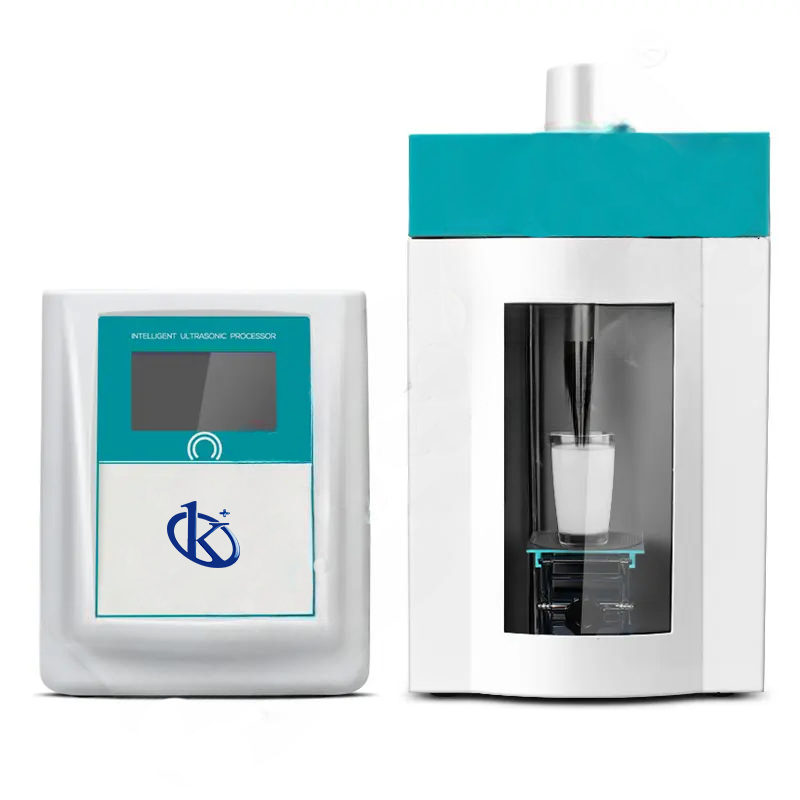
Ultrasonic homogenizers are essential tools in laboratories for achieving uniform particle size reduction and emulsification. By utilizing high-frequency sound waves, these devices ensure consistency in sample preparation across various applications, including pharmaceuticals, food, and materials science. The efficiency they provide can significantly impact both the operational workflow and the cost-effectiveness of laboratory processes.
Investment Considerations: CAPEX vs OPEX
When considering the acquisition of an ultrasonic homogenizer, distinguishing between Capital Expenditure (CAPEX) and Operational Expenditure (OPEX) is essential. CAPEX refers to the upfront costs associated with purchasing the equipment, while OPEX encompasses ongoing operational costs such as maintenance, consumables, and utilities. A thorough analysis should include a breakdown of these costs to determine the total cost of ownership over the device's lifespan.
Evaluating ROI: Key Metrics
To assess the ROI of ultrasonic homogenizers, laboratory managers should establish key performance indicators (KPIs) such as payback period, cost per test, and increased throughput. Calculating these metrics allows for an informed decision on which model aligns with the laboratory's budget and productivity goals. Financial projections should include an estimation of projected savings and efficiency improvements over time.
Comparison of Available Models
| Model | CAPEX (USD) | Cost per Test (USD) | Payback Period (Months) | Recommended Scenario |
|---|---|---|---|---|
| YR05015 | 756.00 | 2.00 | 12 | Small-scale applications |
| YR05016 | 882.00 | 2.50 | 10 | Medium throughput laboratories |
| YR05017 | 1050.00 | 3.00 | 11 | Research labs with diverse applications |
| YR05018 | 1281.00 | 3.50 | 9 | High-volume production |
| YR05019 | 1785.00 | 4.00 | 8 | Advanced materials testing |
| YR05020 | 2058.00 | 4.50 | 7 | Large-scale industrial applications |
Common Mistakes and How to Avoid Them
One of the most common mistakes laboratories make is underestimating the total cost of ownership when purchasing ultrasonic homogenizers. It's vital to factor in not just the initial purchase price but also the long-term operational costs, maintenance needs, and potential downtime. Performing a detailed analysis prior to purchase can help in selecting the right model that aligns with both budget constraints and operational requirements.
Maximizing Efficiency Through Proper Utilization
The efficiency of ultrasonic homogenizers is greatly influenced by operator training and adherence to optimal operational protocols. Laboratories should invest in comprehensive training for staff on proper usage techniques, as this can dramatically reduce the likelihood of equipment failure and extend the lifespan of the devices. Implementing a scheduled maintenance routine should also be a priority.
Energy Consumption and Sustainability Considerations
As laboratories increasingly focus on sustainability, understanding the energy consumption of ultrasonic homogenizers is essential. Evaluating kWh per run and seeking energy-efficient models can lead to significant cost savings. For instance, certain models are designed with energy-saving features that reduce overall electrical consumption, contributing to a lower environmental footprint while still meeting output requirements.
Frequently Asked Questions
How much can I save by optimizing the use of ultrasonic homogenizers in my lab?
By optimizing the use of ultrasonic homogenizers like the YR05017, laboratories can achieve a 20% reduction in operational costs through efficient throughput and minimized reagent waste, leading to substantial annual savings.
What is the typical payback period for ultrasonic homogenizers in research labs?
The typical payback period for ultrasonic homogenizers such as the YR05020 is approximately 7 months, depending on the specific application and volume of work, making them a valuable investment for research labs.
Which ultrasonic homogenizer model is best for high-volume applications?
The YR05018 is regarded as the best ultrasonic homogenizer model for high-volume applications, providing robust performance with a continuous power of 900W, leading to increased efficiency and reduced processing times.
How can I determine the cost per test for ultrasonic homogenizers?
To determine the cost per test for models like the YR05019, divide the total operational costs by the number of tests performed. This metric helps labs assess the financial efficiency of their homogenizers.
What energy savings can I expect from using an efficient ultrasonic homogenizer?
Using energy-efficient ultrasonic homogenizers such as the YR05016 can lead to energy savings of up to 15% per run, contributing to lower utility bills and a smaller carbon footprint over time.
How does the maintenance schedule impact the ROI of ultrasonic homogenizers?
A well-planned maintenance schedule for ultrasonic homogenizers like the YR05015 can significantly impact ROI by reducing downtime and repair costs, resulting in increased productivity and extended equipment lifespan.
What factors should I consider when choosing an ultrasonic homogenizer?
When choosing an ultrasonic homogenizer, consider factors such as CAPEX, operational needs, energy consumption, and expected throughput to ensure the selected model meets your laboratory's specific requirements.
How do I ensure compliance with operational standards in my laboratory?
Ensuring compliance with operational standards involves selecting ultrasonic homogenizers that meet industry specifications, such as the YR05016, and following established protocols for equipment use and maintenance.
If you are looking for a fusion of innovation and quality, you have come to the right place. At Kalstein, we offer you the luxury of exploring our exclusive catalog of laboratory equipment. We manufacture every device to the highest standards of excellence. Our intuitive and seamless online purchasing channels are designed for your convenience, securing the most competitive prices. Hesitate no longer — we bring science to life, it is time to become part of our community.