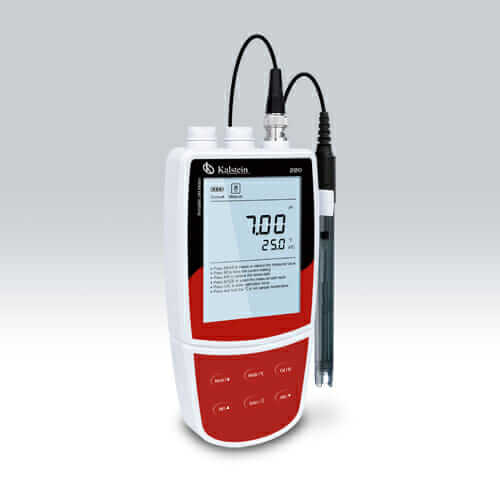
Maximizing ROI and Cost-Benefit Analysis for Table pH Meters
In today's competitive laboratory environment, understanding the return on investment (ROI) and performing a cost-benefit analysis for equipment like table pH meters is crucial. This article delves into various models of table pH meters, exploring their features, applications, and overall value in a laboratory setting. We will provide insights into cost structures, potential savings, and considerations for purchasing.
Evaluating Table pH Meters through Cost-Benefit Analysis
Cost-benefit analysis (CBA) is a systematic approach to estimating the strengths and weaknesses of alternatives in terms of their costs and benefits. For table pH meters, several factors should be considered, including purchase price, calibration costs, maintenance, and the expected lifespan of the equipment. By analyzing these elements, laboratories can determine which model offers the best value for their specific needs.
Understanding the Role of ROI in Laboratory Equipment Selection
ROI is a key performance indicator that helps laboratories evaluate the efficiency of an investment relative to its cost. When selecting a table pH meter, it's essential to calculate the ROI by considering factors such as the initial purchase price, costs associated with calibration and maintenance, and the improved efficiency or output that the equipment will provide. Understanding ROI not only aids in justifying expenses but also assists in negotiating budgets with stakeholders.
Comparison of Available Models
| Model | CAPEX (USD) | Cost per Test (USD) | Payback (Months) | Recommended Scenario |
|---|---|---|---|---|
| YR0220A | 155.00 | 0.15 | 10 | Small labs with limited budgets |
| YR01822 | 215.00 | 0.12 | 8 | Medium labs needing advanced features |
| YR01825 | 335.00 | 0.10 | 6 | Labs requiring high throughput |
| YR01823-2 | 315.00 | 0.11 | 7 | General lab use with multiple applications |
| YR01823 | 285.00 | 0.13 | 9 | Research labs with advanced testing needs |
| YR01826 | 199.00 | 0.14 | 10 | Cost-sensitive labs needing reliable performance |
Common Mistakes and How to Avoid Them
Laboratories often make several common mistakes when selecting a table pH meter. One of the most prevalent errors is focusing solely on the purchase price, ignoring the total cost of ownership, including calibration, maintenance, and consumables. Another frequent mistake is underestimating the importance of precision and accuracy requirements for specific applications. To avoid these pitfalls, laboratories should develop a comprehensive evaluation criteria that takes into account not just the initial costs but all associated costs over the equipment's lifespan.
How Calibration Frequency Affects Cost-Benefit
Calibration is a critical aspect of maintaining the accuracy and reliability of table pH meters. The frequency of calibration directly impacts the operational costs and can influence the overall ROI. For instance, models like the YR0220A allow for 1 to 5-point calibration, which can be tailored based on the laboratory's testing frequency and requirements. By minimizing calibration costs through careful planning and scheduling, labs can enhance their ROI further.
Energy Consumption and Sustainability Considerations
In addition to financial factors, laboratories should consider the energy efficiency of table pH meters. Devices that incorporate automatic shut-off features and energy-saving modes can reduce overall energy consumption and lower utility costs. For example, the YR01822 has features that support automatic temperature compensation and intelligent diagnostics, which contribute to reduced energy use during operation, making it an eco-friendly choice.
Case Studies of Successful Implementations
Numerous laboratories have successfully implemented table pH meters and improved their operational efficiencies and cost-effectiveness. A case study involving a medium-sized laboratory highlighted that transitioning from an older model to the YR01825 resulted in a 30% reduction in testing time and a significant decrease in reagent waste, leading to an overall improvement in ROI. Such examples showcase the tangible benefits of investing in modern laboratory equipment.
Frequently Asked Questions
What is the ROI of the YR0220A table pH meter in a small lab scenario?
The ROI for the YR0220A table pH meter in a small lab can be calculated by considering its purchase price of $155, low operational costs, and the potential savings from reduced reagent waste. Depending on usage, you could see a payback period of approximately 10 months.
How often should I calibrate the YR01822 for optimal performance?
The YR01822 should be calibrated based on usage, but typically, laboratories should perform calibration at least once a month to ensure optimal accuracy. Its 1 to 3-point automatic calibration feature makes the process straightforward, supporting ongoing precise measurements.
Which table pH meter offers the best cost per test?
The YR01825 offers the best cost per test at approximately $0.10, making it a suitable choice for high-throughput laboratories looking to optimize their testing costs while maintaining high accuracy in pH measurements.
How does energy consumption impact the cost of owning a table pH meter?
Energy consumption significantly impacts the total cost of ownership for table pH meters. Models like the YR01826, which feature energy conservation technologies, can reduce electricity bills, leading to lower operational costs over time.
What are the maintenance costs associated with the YR01823-2 model?
The YR01823-2 model typically incurs minimal maintenance costs due to its robust design and automatic diagnostics. Regular cleaning and periodic calibration are the primary expenses, which can be easily managed within lab budgets.
How do the features of YR01823 enhance lab productivity?
The YR01823 enhances lab productivity with its 7-inch touchscreen and automatic diagnostics, which facilitate quick and accurate measurements. This model allows extensive data storage and user-friendly operation, reducing downtime and increasing throughput.
What factors should I consider when selecting a table pH meter for research?
When selecting a table pH meter for research, consider factors such as accuracy, range of measurement, ease of calibration, and data management capabilities. The YR01825 is particularly suitable for research environments due to its advanced features and reliability.
Conclusion
If you are looking for a fusion of innovation and quality, you have come to the right place. At Kalstein, we offer you the luxury of exploring our exclusive catalog of laboratory equipment. We manufacture every device to the highest standards of excellence. Our intuitive and seamless online purchasing channels are designed for your convenience, securing the most competitive prices. Hesitate no longer — we bring science to life, it is time to become part of our community.