Maximizing ROI and Cost-Benefit Analysis for Veterinary Laparoscopy Systems
In the evolving field of veterinary medicine, the use of advanced technologies such as Veterinary Laparoscopy Systems has become essential. These systems not only enhance surgical outcomes but also present significant financial implications. This article delves into how to maximize return on investment (ROI) and conduct a thorough cost-benefit analysis for different models within this category. By understanding the intricacies of each system, veterinary professionals can make informed decisions that align with their operational and financial goals.
Understanding ROI in Veterinary Laparoscopy Systems
Return on investment (ROI) in veterinary practices is a critical metric that reflects the profitability of surgical investments. When considering Veterinary Laparoscopy Systems, calculating ROI involves analyzing both direct and indirect costs associated with the purchase and operation of these systems. Key components include initial capital expenditures (CAPEX), operational expenditures (OPEX), and potential revenue generated from enhanced surgical offerings.
Cost-Benefit Analysis: Key Metrics
A robust cost-benefit analysis framework assists in evaluating the financial viability of adopting a specific Veterinary Laparoscopy System. Key metrics to consider include:
- CAPEX: This includes purchase prices, installation costs, and initial training expenses.
- OPEX: Ongoing costs such as maintenance, service contracts, and consumables.
- Payback Period: The duration required to recover the initial investment through generated revenue.
- Cost Per Procedure: The average cost incurred for each surgical procedure performed.
Comparison of Available Models
| Model | CAPEX (USD) | Cost per Procedure (USD) | Payback Period (Months) | Recommended Scenario |
|---|---|---|---|---|
| YR06157 | 1900.00 | 100.00 | 12 | Small animal practices |
| YR06156 | 7700.00 | 200.00 | 18 | High-volume surgical centers |
| YR06158 | 3000.00 | 150.00 | 15 | Mixed practice settings |
Factors Influencing ROI
Several factors can significantly impact the calculated ROI from the purchase of a Veterinary Laparoscopy System:
- Type of Procedures: The more complex the procedures performed, the higher the potential revenue.
- Client Retention: High-quality surgical outcomes can lead to increased client loyalty and referrals.
- Training: Investing in proper training for staff can optimize the system's use, ensuring efficiency and reducing errors.
Common Mistakes and How to Avoid Them
Veterinary practices often fall into common pitfalls when evaluating the adoption of new technology. These mistakes can lead to suboptimal investment returns:
- Neglecting Ongoing Costs: Focusing solely on the purchase price without considering ongoing operational costs can skew ROI calculations.
- Underestimating Training Needs: Failing to allocate funds for adequate training can result in inefficiencies and lower productivity.
- Ignoring Market Demand: Not assessing the local demand for laparoscopic procedures can lead to overestimation of revenue potential.
Enhancing Operational Efficiency
Operational efficiency is vital for improving ROI. By streamlining surgical workflows and integrating Veterinary Laparoscopy Systems with practice management software, veterinarians can reduce turnaround times and enhance throughput. Investment in systems like the YR06156, which features high-definition imaging and portability, enables surgical teams to deliver superior outcomes while maximizing efficiency.
Financial Scenarios: A Detailed Breakdown
To illustrate potential financial scenarios, consider the following example of a practice adopting the YR06157 system:
| Year | Total Revenue (USD) | Total Costs (USD) | Net Profit (USD) |
|---|---|---|---|
| 1 | 12000 | 4400 | 7600 |
| 2 | 15000 | 4800 | 10200 |
| 3 | 18000 | 5200 | 12800 |
Frequently Asked Questions
What is the ROI of the Veterinary CO2 Insufflator YR06157 for small animal surgeries?
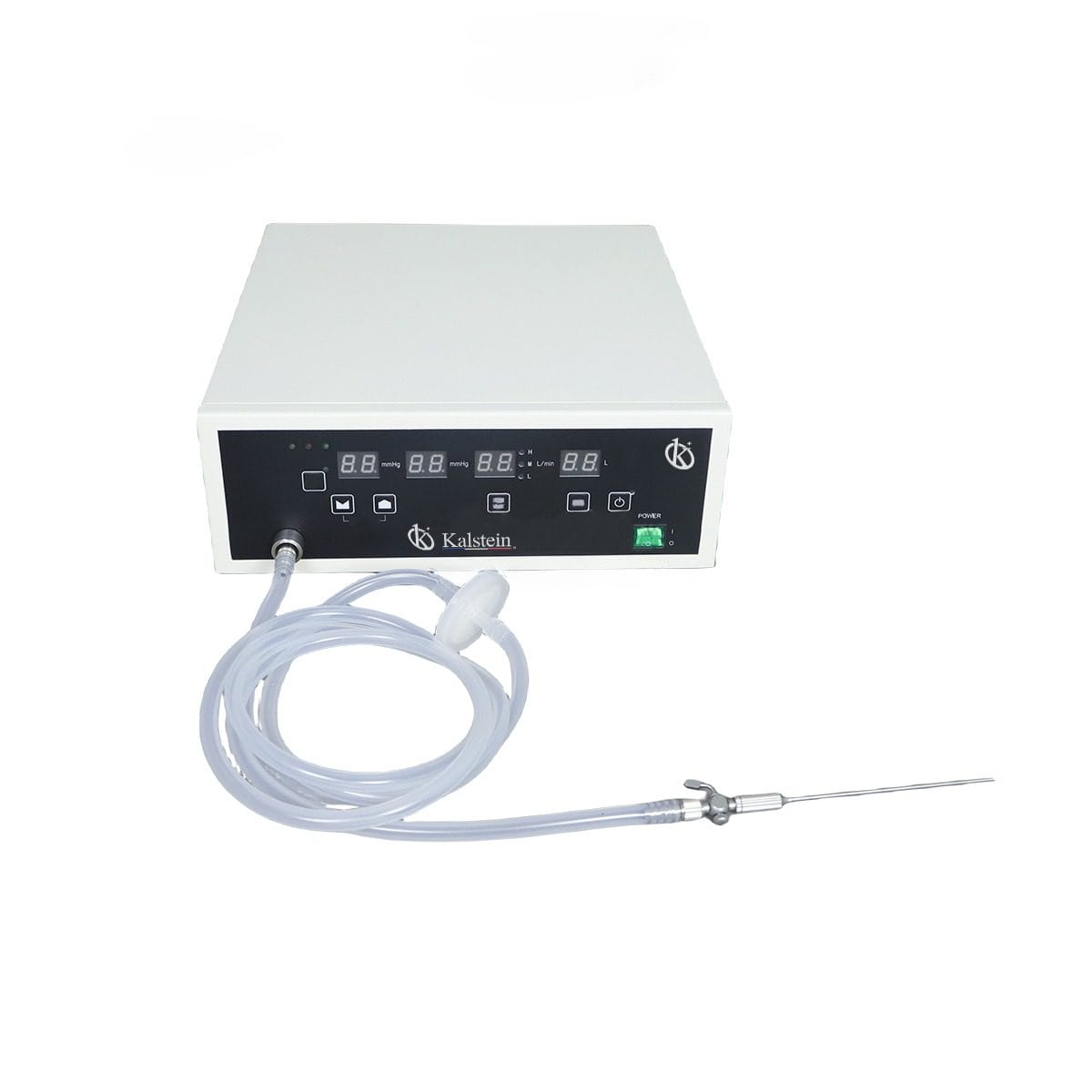
The Veterinary CO2 Insufflator YR06157 has a purchase price of $1900 and a cost per procedure of $100. Based on typical usage, practitioners can expect a payback period of approximately 12 months, making it a financially sound investment for small animal practices.
How does the Mobile High-Definition Endoscopic Imaging System, YR06156, improve surgical outcomes?
The Mobile High-Definition Endoscopic Imaging System YR06156 features high-definition imaging, which enhances visibility during surgical procedures. This model is ideal for high-volume surgical centers, contributing to better patient outcomes and potentially higher revenue through increased procedure volume.
What are the operational costs associated with the Veterinary CO2 Insufflator YR06158?
The Veterinary CO2 Insufflator YR06158 requires approximately $150 per procedure in operational costs. Its versatility and efficient gas supply range of 2L/min-40L/min make it suitable for various surgical scenarios, ensuring maximum return on investment.
How can I assess the cost-benefit ratio of different Veterinary Laparoscopy Systems?
To evaluate the cost-benefit ratio, consider the initial CAPEX, ongoing operational costs, and the projected revenue from surgeries. Comparing these metrics across models like YR06157, YR06156, and YR06158 helps identify the most financially advantageous option for your practice.
Which factors should I consider when choosing a Veterinary Laparoscopy System for my practice?
Important factors include initial investment costs, operational costs, the range of procedures you plan to perform, and the specific needs of your target clientele. Systems like the YR06156 are designed for high-volume environments, while YR06157 is suitable for smaller practices.
What long-term benefits can be expected from investing in a Veterinary Laparoscopy System?
Investing in a Veterinary Laparoscopy System can lead to enhanced surgical capabilities, improved client retention, and increased procedure volume. Over time, systems like YR06158 can significantly boost the profitability of a veterinary practice through these benefits.
How can I maximize the efficiency of my Veterinary Laparoscopy System?
Maximizing your system's efficiency involves proper training for staff, regular maintenance, and integrating the system with practice management software. Using models like YR06156 can further enhance operational workflows in high-demand settings.
Conclusion
If you are looking for a fusion of innovation and quality, you have come to the right place. At Kalstein, we offer you the luxury of exploring our exclusive catalog of laboratory equipment. We manufacture every device to the highest standards of excellence. Our intuitive and seamless online purchasing channels are designed for your convenience, securing the most competitive prices. Hesitate no longer — we bring science to life, it is time to become part of our community.