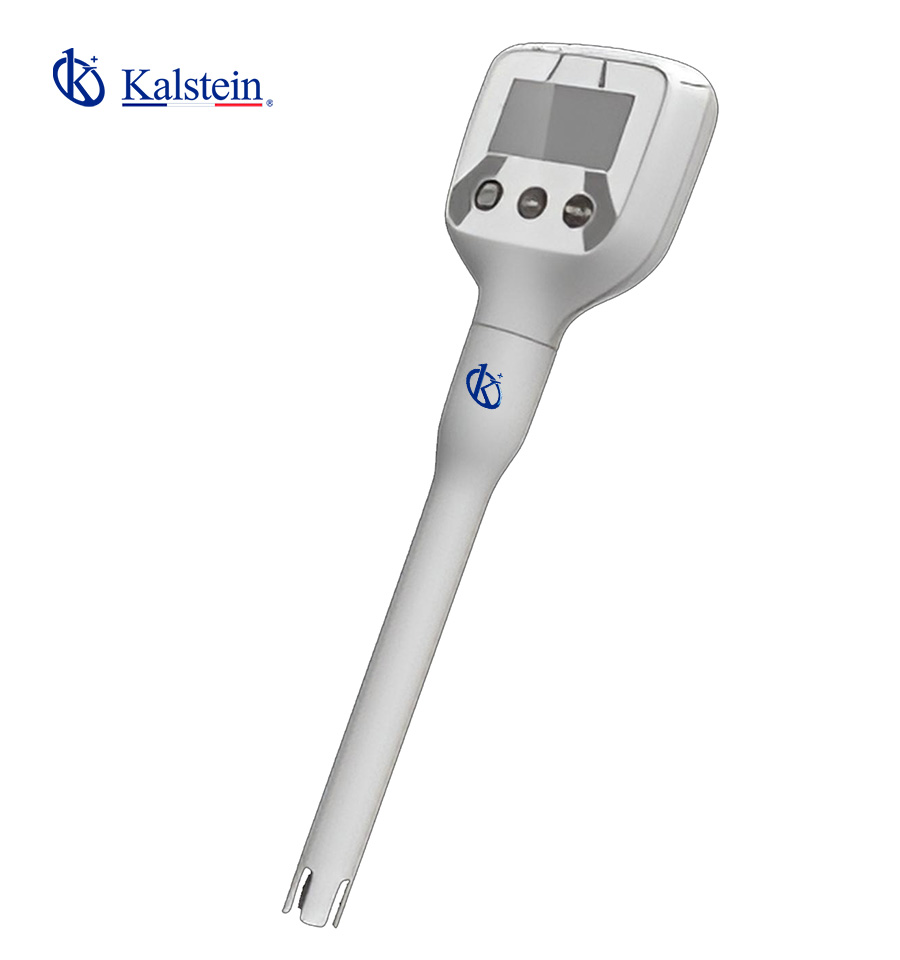
Maximizing ROI and Cost-Benefit Analysis for Portable Conductivity Meters
In today's fast-paced laboratory environment, the choice of equipment can significantly impact both operational efficiency and overall costs. Portable conductivity meters play a crucial role in a variety of applications, from environmental testing to quality control in food and beverage industries. Understanding the return on investment (ROI) and cost-benefit analysis of these instruments is essential for laboratory managers aiming to optimize their resources. This article delves deeply into how to evaluate these handheld devices through the lens of ROI, highlighting key models and their specific applications, as well as common pitfalls to avoid.
Understanding ROI and Cost-Benefit Analysis in Laboratory Equipment
ROI measures the profitability of an investment relative to its cost, expressed as a percentage. For portable conductivity meters, ROI can be influenced by factors such as initial purchasing price, maintenance costs, and operational efficiency. A thorough cost-benefit analysis includes assessing not only the direct costs but also the indirect benefits derived from their use, such as improved accuracy, time savings, and enhanced productivity.
To effectively calculate ROI, laboratory managers must consider variables such as:
- Initial investment costs (CAPEX)
- Operating costs (OPEX)
- Cost per test or measurement
- Projected lifespan of the equipment
- Expected frequency of use
Comparison of Available Models
| Model | CAPEX (USD) | Cost per Test (USD) | Payback (months) | Recommended Scenario |
|---|---|---|---|---|
| YR01805 | 24.00 | 0.20 | 3 | Field Testing |
| YR01806 | 149.00 | 0.30 | 4 | Laboratory Research |
| YR01808 | 59.00 | 0.25 | 4 | Quality Control |
| YR01809 | 62.00 | 0.28 | 4 | Environmental Monitoring |
| YR01810 | 65.00 | 0.26 | 4 | Food and Beverage Testing |
| YR01811 | 50.00 | 0.22 | 3 | Low Concentration Measurements |
Key Features and Benefits of Each Model
Each portable conductivity meter offers unique features that make them suitable for specific laboratory applications. Understanding these features can help in making informed purchasing decisions based on ROI and cost-benefit analysis.
Pocket Conductivity Meter °C/°F YR01805
The YR01805 is a compact, pen-type conductivity meter best suited for on-the-go measurements. It operates within a conductivity range of 0 to 10 mS/cm and is notable for its automatic calibration and low-battery alarm features. With a retail price of $24.00 and a cost per test of about $0.20, its low initial investment leads to a short payback period of 3 months. This model is ideal for field testing environments where portability is essential.
Pocket Conductivity Meter °C/°F YR01806
Priced at $149.00, the YR01806 comes equipped with advanced features like automatic temperature compensation and multiple calibration points. With its ability to measure pH and mV, this model caters to laboratory research scenarios. Its cost per test is approximately $0.30, leading to a payback period of 4 months, making it a valuable investment for labs requiring versatility in measurement.
Pocket TDS °C/°F Conductivity Meter YR01808
This meter, priced at $59.00, offers multi-range measurement capabilities, making it perfect for quality control processes. The YR01808's precision of ±1% F.S. and quick response time enhance operational efficiency, contributing to its cost per test of $0.25 and a payback period of 4 months.
Common Mistakes and How to Avoid Them
When investing in portable conductivity meters, laboratories can sometimes overlook critical factors that impact ROI. Here are common mistakes and strategies to avoid them:
- Neglecting Regular Calibration: Regular calibration is vital for maintaining accuracy. Failing to do so can lead to inaccurate readings and increased operational costs.
- Overlooking Total Cost of Ownership: Consider not only the purchase price but also maintenance, training, and consumables when evaluating costs.
- Underutilizing Features: Many users may not fully leverage the capabilities of their meters, such as data storage and advanced calibration options, leading to inefficiencies.
Maximizing Efficiency and Reducing Costs
To improve ROI further, laboratories can implement the following strategies:
- Implement a Regular Maintenance Schedule: Preventive maintenance reduces the risk of equipment failure and extends the life of your meters.
- Train Staff Thoroughly: Ensuring that staff are well-trained on the use of each model will maximize their capabilities and minimize errors.
- Evaluate Usage Frequency: Assess how often the meters are used and whether the right model is chosen for the task at hand.
Frequently Asked Questions
What is the average ROI from using portable conductivity meters in laboratories?
The average ROI from using portable conductivity meters like the YR01806 can vary, but many laboratories see a payback period of around 4 months. This is calculated based on direct costs and savings associated with improved testing accuracy and efficiency.
How often should portable conductivity meters be calibrated for best results?
For optimal performance, portable conductivity meters such as the YR01808 should be calibrated regularly, ideally before each use or at least once a month, depending on usage frequency. This ensures accurate readings and reliable data.
Which portable conductivity meter offers the best cost-effectiveness for small labs?
The YR01805 offers superior cost-effectiveness for small labs, with a low initial price of $24.00 and a cost per test of just $0.20, making it ideal for budget-conscious environments where portability is crucial.
How do features of portable conductivity meters impact their ROI in laboratories?
Features such as automatic calibration and advanced measurement modes in models like the YR01806 can significantly enhance ROI by improving operational efficiency and reducing errors, ultimately leading to cost savings.
What factors should be considered when choosing a portable conductivity meter?
When selecting a portable conductivity meter, consider factors like measurement range, ease of calibration, cost per test, and specific laboratory needs. The YR01810, for example, is ideal for food and beverage testing with its versatile measurement options.
What is the maintenance cost for portable conductivity meters like the YR01809?
Maintenance costs for portable conductivity meters such as the YR01809 are generally low, primarily involving periodic calibration and battery replacements, which can average around $10-15 annually if managed properly.
How can I improve the lifespan of my portable conductivity meters?
To extend the lifespan of portable conductivity meters, ensure regular calibration, store them properly when not in use, and follow manufacturer guidelines for maintenance. Models like the YR01811 also benefit from careful handling to prevent damage.
Conclusion
Investing in portable conductivity meters can significantly enhance a laboratory's operational efficiency and cost-effectiveness. By carefully evaluating ROI and conducting a thorough cost-benefit analysis, managers can make informed decisions that align with their budget and operational needs. With the diverse options available, each designed for specific applications, laboratories can achieve their testing goals while maintaining a tight control over costs. Request a quote on Kalstein Plus today to explore our range of high-quality portable conductivity meters tailored for your laboratory's needs.
If you are looking for a fusion of innovation and quality, you have come to the right place. At Kalstein, we offer you the luxury of exploring our exclusive catalog of laboratory equipment. We manufacture every device to the highest standards of excellence. Our intuitive and seamless online purchasing channels are designed for your convenience, securing the most competitive prices. Hesitate no longer — we bring science to life, it is time to become part of our community.