How to Achieve Data Flow Digitalization with Manual Wheelchairs Integration into LIMS?
In the evolving landscape of healthcare, the integration of data systems is paramount for enhancing operational efficiency and patient care. This is particularly true for medical facilities utilizing manual wheelchairs where the management of equipment and patient mobility intersects with data management systems such as Laboratory Information Management Systems (LIMS). In this article, we will dive into how manual wheelchairs can be effectively integrated into LIMS, focusing on the implications for data flow digitalization.
Understanding the Importance of LIMS Integration
LIMS serves as the backbone of data management in laboratories and healthcare facilities, providing a framework for organizing, managing, and analyzing data. The integration of manual wheelchairs into LIMS is critical for improving data accessibility, enhancing patient tracking, and ensuring compliance with healthcare standards. By enabling real-time data collection and analysis, facilities can respond more effectively to patient needs, ultimately improving service delivery.
Key Features of Manual Wheelchairs in Data Management
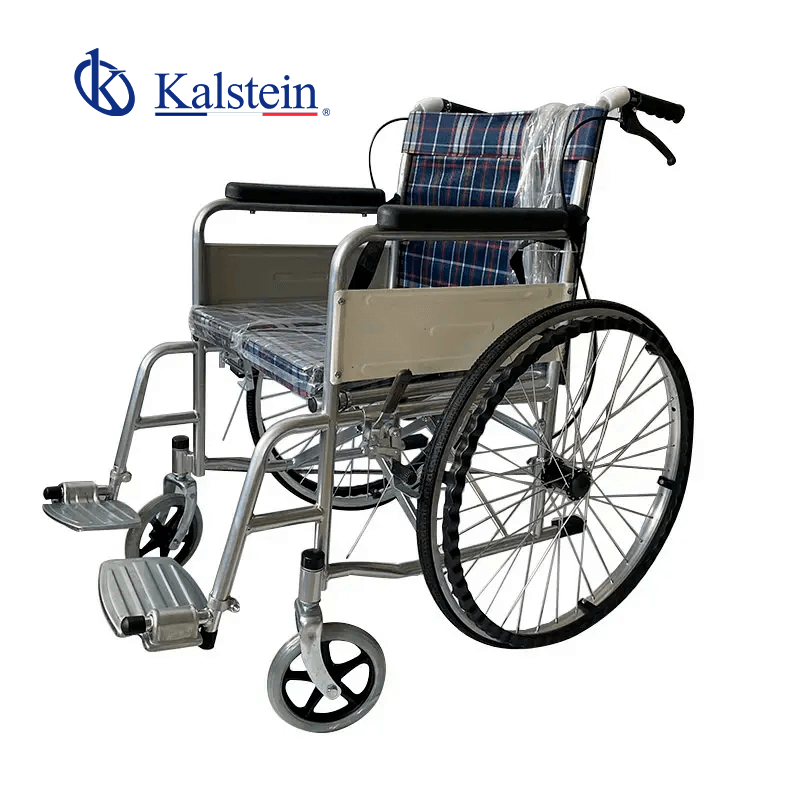
When considering the integration of manual wheelchairs into a LIMS, it’s essential to assess specific features that support data flow digitalization. Features like adjustable dimensions, material composition, and weight capacity can provide vital information for patient mobility tracking. For instance, Wheelchair Manual YR05450 offers a robust frame and fixed armrests, making it ideal for patient stability, enabling accurate record-keeping of patient transport data.
Models of Manual Wheelchairs and Their Integration Capabilities
Different models of manual wheelchairs can have varying compatibility with LIMS solutions, impacting how data is managed and utilized. Understanding these models helps medical facilities choose the right equipment that seamlessly integrates with their LIMS. Below we will compare several manual wheelchair models on their integration capabilities:
Comparison of Available Models
| Model | Seat Width | Weight Capacity (kg) | Best for |
|---|---|---|---|
| YR05450 | 46 cm | 100 kg | Stability during transport |
| YR05451 | 44 cm | 100 kg | Portability with lightweight design |
| YR05456 | 45 cm | 100 kg | Adjustable height features |
| YR05452 | 42.5 cm | 100 kg | Travel efficiency |
| YR05454 | 46 cm | 100 kg | Reliable for daily use |
| YR05453 | 46 cm | 100 kg | Durability and strength |
Advantages of Data Flow Digitalization
Integrating manual wheelchairs within a LIMS allows for significant advantages in data flow digitalization. First, it ensures that all patient mobility data is collected and stored in a centralized system, thereby reducing the risk of data loss. Additionally, it enables healthcare providers to analyze trends in patient movement, facilitating better resource allocation.
Common Mistakes and How to Avoid Them
In the process of integrating manual wheelchairs into LIMS, common pitfalls should be addressed. One mistake is selecting a wheelchair model without considering data integration capabilities. For instance, models such as YR05451 may offer lightweight benefits but could lack advanced integration features. It’s crucial to review the specifications and compatibility with the existing LIMS.
Data Connectivity Protocols
The successful integration of manual wheelchairs into LIMS relies on effective data connectivity protocols. Protocols such as HL7 or RESTful APIs can facilitate seamless communication between devices and the LIMS. Understanding these protocols will provide a foundation for ensuring that data from the wheelchairs is accurately captured and utilized.
Validation Steps for Integration
Implementing manual wheelchairs with LIMS requires meticulous validation steps to ensure reliability. This involves testing the data flow from the wheelchairs into the LIMS, confirming data accuracy, and ensuring that user permissions are correctly set. An effective validation plan will include documenting each step and verifying compliance with healthcare regulations.
Frequently Asked Questions
How can manual wheelchairs enhance data flow digitalization in healthcare settings?
Integrating models like YR05450 into LIMS allows for real-time tracking of patient mobility data, which enhances the overall data flow digitalization process in healthcare settings.
Which manual wheelchair model provides the best LIMS integration features?
The YR05456 model is noted for its adjustable features, making it suitable for various patient needs while also providing enhanced compatibility with LIMS for data integration.
What are the data connectivity requirements for integrating manual wheelchairs into LIMS?
To integrate manual wheelchairs effectively, protocols such as HL7 or REST API should be employed, ensuring seamless data transfer from models like YR05451 into the LIMS.
How does LIMS integration improve patient care with manual wheelchairs?
LIMS integration improves patient care by enabling instant access to mobility data from manual wheelchairs like YR05452, allowing healthcare providers to respond quickly to patient needs.
What pitfalls should be avoided when selecting manual wheelchairs for LIMS integration?
One pitfall is selecting models that lack sufficient data integration capabilities, such as YR05453, which may not support advanced connectivity protocols for effective data management.
How can I verify the compliance of manual wheelchairs with LIMS integration standards?
Compliance can be verified by checking that the selected manual wheelchairs meet the data connectivity specifications and validating the integration process within the LIMS framework.
What benefits can I expect from integrating manual wheelchairs with LIMS?
By integrating models like YR05454 with LIMS, facilities can expect improved data accuracy, streamlined patient management, and enhanced operational efficiency.
How do I assess the best manual wheelchair for my LIMS needs?
Assessing the best model involves evaluating specifications, integration capabilities, and patient needs, ensuring that options like YR05450 meet all necessary criteria for LIMS compatibility.
If you are looking for a fusion of innovation and quality, you have come to the right place. At Kalstein, we offer you the luxury of exploring our exclusive catalog of laboratory equipment. We manufacture every device to the highest standards of excellence. Our intuitive and seamless online purchasing channels are designed for your convenience, securing the most competitive prices. Hesitate no longer — we bring science to life, it is time to become part of our community.