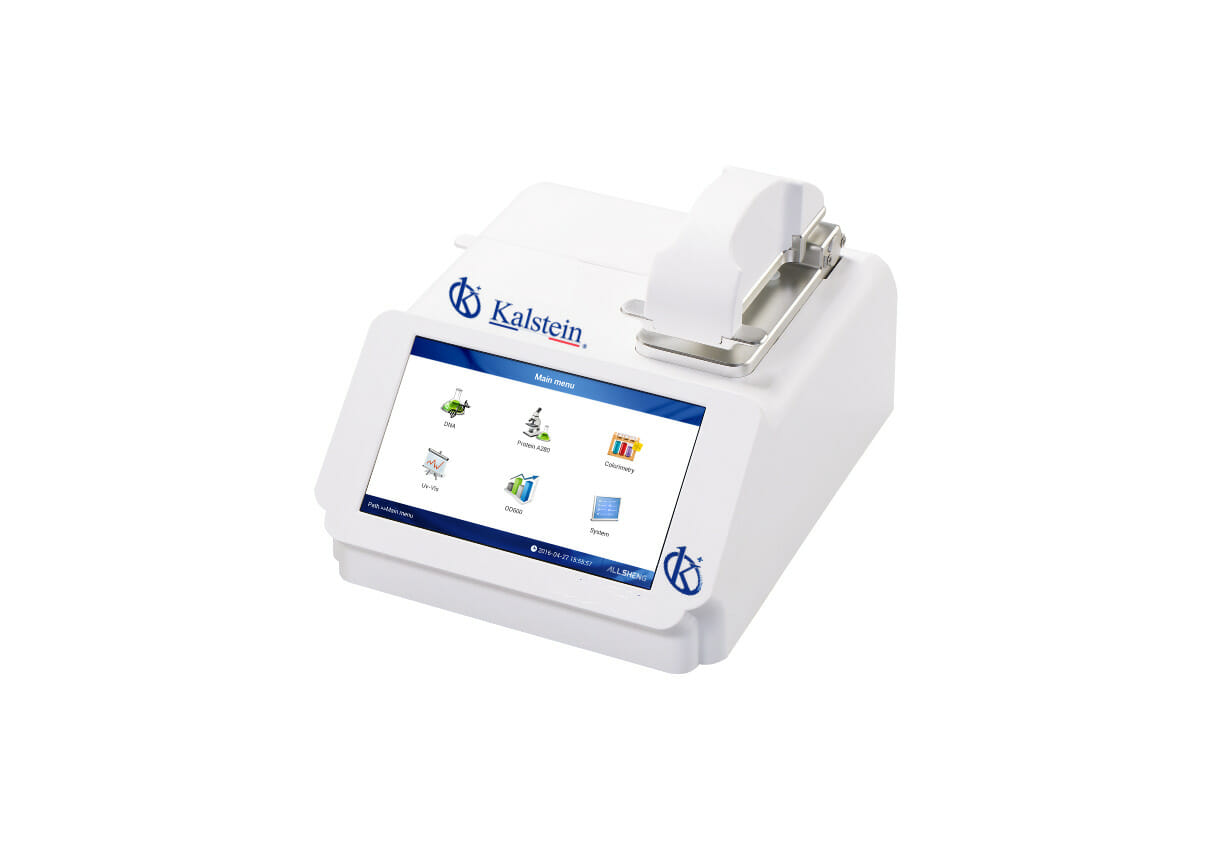
How to Optimize LIMS Integration with Micro-Spectrophotometers for Data Flow Digitization
In today's advanced laboratories, efficient data management is crucial. Integrating micro-spectrophotometers with Laboratory Information Management Systems (LIMS) enhances both data flow and operational efficiency. This article provides a comprehensive guide to optimizing this integration, focusing on several models of micro-spectrophotometers suitable for various laboratory applications.
Understanding the Importance of LIMS Integration
LIMS plays a vital role in managing laboratory data. It allows laboratories to track samples, manage workflows, and ensure compliance with regulations. Integrating micro-spectrophotometers into a LIMS can streamline processes, improve data accuracy, and facilitate better decision-making.
Key Connectivity Protocols for Micro-Spectrophotometers
Micro-spectrophotometers can utilize various connectivity protocols to integrate with LIMS. Common protocols include HL7, ASTM, and RESTful APIs. Each protocol has its advantages, and selecting the right one is crucial for achieving seamless data communication. For example, the YR06033-1 model supports USB data outputs that can be incorporated into LIMS for automated data logging.
Comparative Analysis of Micro-Spectrophotometers for LIMS Integration
When selecting a micro-spectrophotometer for LIMS integration, consider key specifications and their applicability to laboratory workflows. Below is a comparison of several models.
| Model | Wavelength Range | Sample Size | Data Output | Best for |
|---|---|---|---|---|
| YR06033-1 | 200-800 nm | 0.5-2.0 μl | USB | DNA/RNA analysis |
| YR06034 | 260 nm, 280 nm | 1-2.0 μl | USB | RNA/DNA purity |
| YR06035 | 200-800 nm | 0.5-2.0 μl | USB | Protein concentration |
Best Practices for LIMS Integration
To optimize the integration of micro-spectrophotometers with LIMS, laboratories should follow best practices such as defining clear objectives, understanding workflow requirements, and ensuring compatibility between devices. Additionally, conducting a pilot test can help identify potential issues before full-scale implementation.
Example Integration Architecture
An effective integration architecture typically includes a middleware layer that facilitates communication between the micro-spectrophotometer and the LIMS. This layer may use REST APIs to handle data requests and responses efficiently. For instance, the YR06034 can be configured to send data directly to the LIMS via an integrated USB connection.
Common Mistakes and How to Avoid Them
One common mistake during integration is underestimating the training required for laboratory personnel. Ensure that staff are well-trained on both the micro-spectrophotometer's features and the LIMS functionality to maximize efficiency. Additionally, testing the integration process before full implementation can prevent future disruptions.
Frequently Asked Questions
How can I integrate a micro-spectrophotometer into my LIMS efficiently?
Efficient integration requires selecting a micro-spectrophotometer like the YR06035 that supports direct data outputs such as USB. Understanding connectivity protocols like HL7 can also streamline the integration process, ensuring seamless data flow to the LIMS.
Which micro-spectrophotometer model is best for LIMS integration?
The YR06033-1 model is an excellent choice for LIMS integration due to its broad wavelength range of 200-800 nm and its USB data output capability, making it suitable for various applications in DNA and RNA analysis.
What are the data flow benefits of integrating a micro-spectrophotometer with LIMS?
Integrating a micro-spectrophotometer like the YR06034 with LIMS enhances data accuracy, reduces manual entry errors, and allows for real-time data tracking, which is essential for maintaining compliance with laboratory standards.
Can LIMS help in managing spectrophotometric data effectively?
Yes, LIMS can effectively manage spectrophotometric data by automating sample tracking and data logging. This automation helps laboratories maintain high standards of data integrity and regulatory compliance.
What are the common integration challenges faced by laboratories?
Common challenges include compatibility issues between different hardware and software, resistance to change among staff, and inadequate training. Addressing these challenges through careful planning and execution can smoothen the integration process.
How does the YR06035 model improve laboratory efficiency?
The YR06035 model enhances laboratory efficiency by offering a fast measurement time of less than 6 seconds and requiring only 0.5-2.0 μl of sample volume, making it ideal for high-throughput environments.
What role does middleware play in LIMS integration?
Middleware acts as a bridge between micro-spectrophotometers and LIMS, facilitating data communication, ensuring compatibility, and managing data exchanges efficiently. It is crucial for successful integration.
What are the key features to look for in a micro-spectrophotometer for LIMS?
When choosing a micro-spectrophotometer for LIMS, look for features such as data output options (USB), wavelength range, sample volume requirements, and compatibility with existing laboratory workflows.
If you are looking for a fusion of innovation and quality, you have come to the right place. At Kalstein, we offer you the luxury of exploring our exclusive catalog of laboratory equipment. We manufacture every device to the highest standards of excellence. Our intuitive and seamless online purchasing channels are designed for your convenience, securing the most competitive prices. Hesitate no longer — we bring science to life, it is time to become part of our community.