How to Ensure LIMS Integration with Food Safety Analyzers for Data Digitalization?
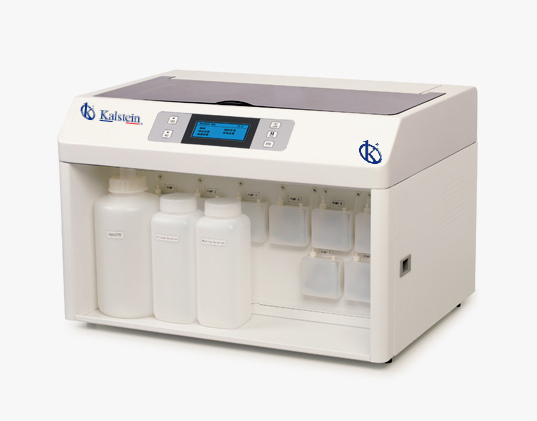
In the ever-evolving landscape of laboratory technology, the integration of Laboratory Information Management Systems (LIMS) with food safety analyzers marks a significant advancement. The primary aim of this integration is to enhance data management, streamline workflows, and ensure compliance with safety standards. In this article, we will explore how different models of food safety analyzers, particularly the Automated Unique Immunology Analyzer YR06090, Food Safety Analyzer YR06089, and Analyzer and Microplate Incubator Shaker YR06093, can be optimized within a digitalized environment.
The Importance of LIMS Integration in Food Safety Analysis
LIMS integration is crucial for food safety analyzers as it allows for real-time data capturing, automated reporting, and improved traceability. By integrating with LIMS, laboratories can enhance their efficiency in processing and analyzing data related to food safety compliance, such as pesticide residues and antibiotic levels. This integration ensures that all data processed by analyzers is accurately recorded, facilitating faster decision-making and reducing the risk of errors.
Connectivity Protocols and Their Role in LIMS Integration
Understanding the various connectivity protocols is essential for effective LIMS integration. Protocols such as HL7, ASTM, and REST can significantly enhance communication between food safety analyzers and LIMS. For instance, the Food Safety Analyzer YR06089 is compatible with multiple protocols, allowing for seamless data transfer and integration into existing laboratory information systems, ensuring that laboratories can keep up with regulatory compliance.
Data Sovereignty in Laboratory Settings
Data sovereignty refers to the idea that data is subject to the laws and governance structures within the nation it is collected. In food safety analysis, ensuring data sovereignty becomes essential, especially when handling sensitive information. The integration of food safety analyzers with LIMS allows for better control over data storage and management, ensuring compliance with local data protection regulations.
Sample Integration Architecture for Food Safety Analyzers
An effective integration architecture outlines how food safety analyzers interact with LIMS. This includes data input from the analyzer, processing through LIMS, and output to stakeholders. For example, the Automated Unique Immunology Analyzer YR06090 can feed information directly into LIMS, allowing for automatic updates on testing procedures and results, which enhances laboratory workflow.
Validation Steps for LIMS Integration
Validation is a crucial step in ensuring that the integration of food safety analyzers with LIMS is successful. This involves verifying that the data collected is accurate and that the systems communicate effectively. Validation also includes testing the various functionalities of the analyzers within the LIMS environment, ensuring that they meet operational standards and regulatory requirements.
Comparison of Available Models
| Model | Connectivity | Protocols Supported | Integration Effort | Best For |
|---|---|---|---|---|
| YR06090 | High | HL7, ASTM | Moderate | High-demand labs |
| YR06089 | Moderate | REST, ASTM | Low | Screening and detection |
| YR06093 | High | HL7 | High | Incubation and agitation |
Common Mistakes and How to Avoid Them
When integrating food safety analyzers with LIMS, laboratories often encounter common pitfalls. These include inadequate planning, failure to validate integration, and overlooking data security measures. To avoid these mistakes, laboratories should conduct thorough pre-integration assessments, ensure that staff are well-trained on the new systems, and maintain robust data security protocols to protect sensitive information.
Frequently Asked Questions
How can I improve data management with LIMS-integrated food safety analyzers?
Improving data management can be achieved by utilizing models like the Food Safety Analyzer YR06089, which supports various protocols that enhance data throughput and accuracy. Integrating it with LIMS allows for automatic data entry and real-time reporting, thereby streamlining laboratory processes.
What are the regulatory compliance benefits of using LIMS with food safety analyzers?
Using LIMS with food safety analyzers, such as the Automated Unique Immunology Analyzer YR06090, enhances compliance with regulatory standards by ensuring accurate data recording and traceability of results. This integration provides automatic audit trails, simplifying compliance audits.
Which connectivity protocols are crucial for food safety analyzer integration?
Protocols like HL7 and ASTM are crucial for integrating food safety analyzers with LIMS. For instance, the Analyzer and Microplate Incubator Shaker YR06093 is compatible with HL7, facilitating efficient data communication between systems.
How does LIMS integration affect laboratory efficiency in food safety testing?
LIMS integration significantly boosts laboratory efficiency by automating data entry and reporting processes. For example, the Food Safety Analyzer YR06089 enables high-throughput testing, which, when integrated with LIMS, streamlines data management and accelerates testing turnaround times.
What are the validation steps for integrating food safety analyzers with LIMS?
Validation steps include verifying data accuracy from the food safety analyzers and testing the integration's functionalities. Ensuring models like the YR06090 operate correctly within the LIMS environment is crucial for maintaining operational standards.
How do I ensure data sovereignty with LIMS-integrated food safety analyzers?
To ensure data sovereignty, laboratories must implement stringent data management practices when integrating analyzers like the YR06089 with LIMS. This includes adhering to local data protection laws during data collection and storage processes.
What challenges might arise during LIMS integration of food safety analyzers?
Challenges may include system compatibility issues and inadequate training for staff. Proper planning and comprehensive training programs can help mitigate these challenges, ensuring a smooth integration process for models like the YR06093.
Conclusion
In conclusion, the integration of LIMS with food safety analyzers is a strategic move that enhances laboratory efficiency and ensures compliance with regulatory standards. By understanding the specific capabilities of various models and implementing proper integration protocols, laboratories can create a robust framework for data digitalization in food safety analysis.
If you are looking for a fusion of innovation and quality, you have come to the right place. At Kalstein, we offer you the luxury of exploring our exclusive catalog of laboratory equipment. We manufacture every device to the highest standards of excellence. Our intuitive and seamless online purchasing channels are designed for your convenience, securing the most competitive prices. Hesitate no longer — we bring science to life, it is time to become part of our community.