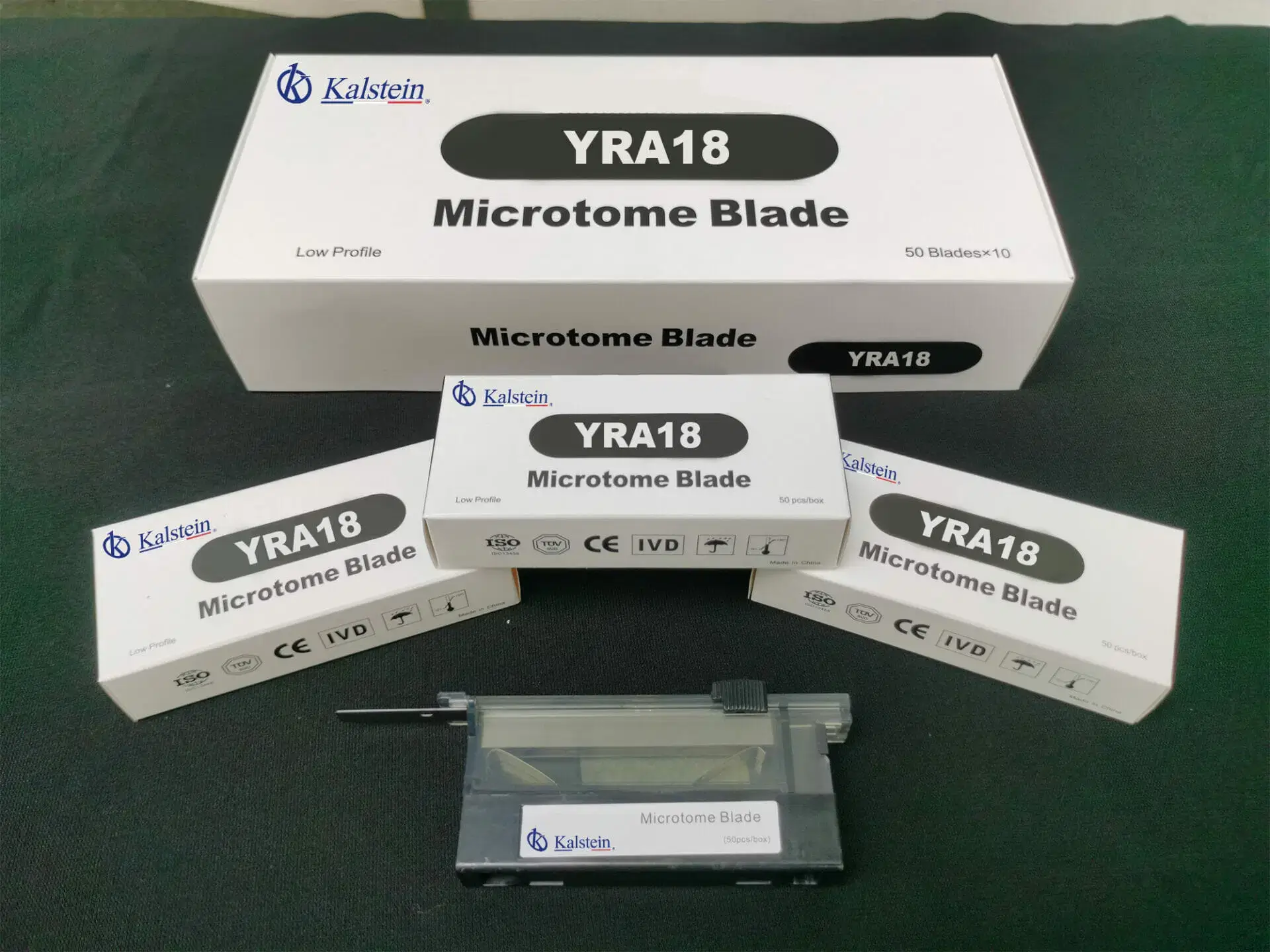
How to Achieve LIMS Integration and Data Flow Digitization in Histopathology Labs
In the ever-evolving landscape of histopathology, laboratory professionals are increasingly recognizing the vital role that laboratory information management systems (LIMS) play in streamlining operations and enhancing data management. Integrating LIMS with histopathology accessories and consumables not only improves workflow efficiency but also ensures compliance with regulatory standards. This article delves into the integration of LIMS and data flow digitization specifically geared towards histopathology labs, focusing on available consumables and accessories that facilitate this process.
Understanding LIMS Integration in Histopathology
LIMS integration refers to the seamless connection between laboratory instruments, consumables, and software systems that manage data related to laboratory processes. In histopathology, this integration facilitates the tracking of samples, managing patient information, and ensuring data accuracy. Such systems can also enhance laboratory productivity by reducing manual data entry errors and improving the speed of data retrieval.
Importance of Digital Data Flow in Histopathology
Digital data flow in histopathology labs signifies the transition from traditional paper-based record-keeping to electronic data management. This shift not only streamlines processes but also enhances collaboration among laboratory staff. By leveraging digital solutions, labs can improve traceability of samples, monitor workflow in real-time, and maintain compliance with industry regulations.
Key Standards for LIMS and Data Flow Digitization
To ensure successful LIMS integration and data flow digitization, histopathology labs must adhere to various standards. These may include ISO 17025 for laboratory competence, which emphasizes the need for systematic data management practices. Additionally, labs should consider standards related to electronic records and signatures, such as 21 CFR Part 11, to ensure data integrity and compliance. Each model of histopathology consumables plays a role in supporting these standards by enhancing the overall quality and efficiency of laboratory operations.
Comparison of Available Models
| Model | Connectivity Features | Protocols Supported | Integration Effort | Best For |
|---|---|---|---|---|
| YRA18-1 | Plug and Play | HL7, REST | Low | Routine tissue processing |
| YRA19-1 | Plug and Play | HL7, REST | Low | High precision cutting |
| YRA20-1 | Manual Input | ASTM | Medium | Embedding large samples |
| YRA21-1 | Manual Input | ASTM | Medium | Standard tissue processing |
| YRA33-2 | Manual Input | ASTM | High | Paraform block preparation |
| YRA33-3 | Manual Input | ASTM | Medium | Embedding medium supply |
Common Mistakes and How to Avoid Them
Laboratories often encounter challenges during the LIMS integration process, including insufficient training for staff and lack of proper planning. To avoid pitfalls, it is crucial to engage all stakeholders in the planning phase, ensuring that everyone understands the benefits of integration and data flow digitization. Regular training and updates can also help maintain user proficiency and optimize the use of histopathology consumables such as YRA18-1 and YRA19-1.
Impact of LIMS on Data Accuracy and Compliance
The adoption of LIMS in histopathology labs enhances data accuracy by minimizing errors associated with manual data entry. Digital records create a reliable audit trail, essential for compliance with ISO 17025 and other regulatory standards. As a result, the integration of quality consumables like YRA20-1 and YRA21-1 supports the accurate processing of samples, ensuring that labs meet industry benchmarks.
Future Trends in Histopathology and Technology Integration
As laboratories evolve, the trend towards full automation and advanced data analytics will gain momentum. New technologies will continue to emerge, allowing histopathology labs to integrate AI and machine learning into their workflow. Such innovations could revolutionize the way histopathology consumables are utilized, driving efficiency and accuracy even further.
Frequently Asked Questions
What are the benefits of LIMS integration for histopathology consumables?
LIMS integration offers numerous benefits, including enhanced data accuracy, improved workflow efficiency, and better compliance with standards like ISO 17025. For instance, consumables like YRA18-1 provide reliable tissue processing capabilities, ensuring that labs maintain high-quality standards.
How does digital data flow improve histopathology lab operations?
Digital data flow streamlines lab operations by reducing manual data entry errors, improving sample traceability, and enhancing collaboration among staff. Using consumables like YRA19-1 facilitates efficient workflow by supporting high precision in sample processing.
Which protocols are essential for LIMS in histopathology?
Essential protocols for LIMS integration in histopathology include HL7 and ASTM, which facilitate data exchange and compatibility with various systems. The use of accessories like YRA20-1 ensures that labs can adhere to these protocols effectively.
How can histopathology labs ensure compliance with ISO standards?
Histopathology labs can ensure compliance with ISO standards by implementing robust LIMS that manages data accurately while using high-quality consumables like YRA21-1. Regular audits and staff training are also vital in maintaining compliance with regulations.
What common challenges do labs face during LIMS integration?
Common challenges include inadequate staff training, resistance to change, and poor planning. To overcome these issues, laboratories should involve all stakeholders during the integration process and continuously provide training on new systems and consumables like YRA33-2.
How much does a LIMS-integrated histopathology setup cost?
The cost of a LIMS-integrated setup varies widely depending on the size of the lab and chosen software. Budgeting around $10,000 to $50,000 is common, particularly when incorporating consumables like YRA33-3, which are essential for efficient operation.
What role does data integrity play in histopathology labs?
Data integrity is crucial in histopathology labs as it ensures accurate patient information and reliable test results. Utilizing consumables like YRA18-1 while implementing LIMS can significantly enhance data integrity through proper sample tracking and reporting.
How can labs optimize their processes with LIMS integration?
Labs can optimize processes by automating routine tasks, improving data accuracy, and enhancing communication among team members. Utilizing consumables such as YRA19-1 in conjunction with a LIMS enables laboratories to achieve these efficiencies effectively.
If you are looking for a fusion of innovation and quality, you have come to the right place. At Kalstein, we offer you the luxury of exploring our exclusive catalog of laboratory equipment. We manufacture every device to the highest standards of excellence. Our intuitive and seamless online purchasing channels are designed for your convenience, securing the most competitive prices. Hesitate no longer — we bring science to life, it is time to become part of our community.