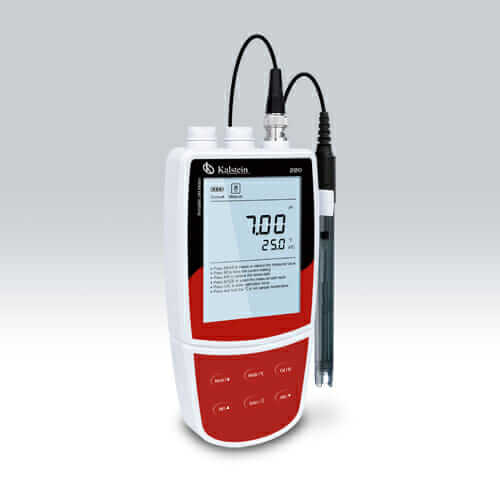
Understanding ISO/IEC Standards and Regulatory Compliance for Table pH Meters
In laboratory settings, ensuring compliance with ISO and IEC standards is paramount for operational integrity, data accuracy, and overall reliability of results. Table pH meters are essential instruments used in various laboratories, and understanding how they align with these standards can help professionals maintain high-quality performance. This article examines the important ISO/IEC standards relevant to table pH meters, evaluates specific models available in the market, and emphasizes the significance of regulatory compliance in laboratory practices.
Importance of ISO/IEC Standards in Laboratory Operations
ISO/IEC standards provide a framework for ensuring quality and consistency in laboratory operations. These standards facilitate regulatory compliance, enhance measurement reliability, and protect user safety. For pH measurements, specific standards like ISO 17025 ensure that laboratories produce valid and reliable test results. Laboratories that adhere to these standards demonstrate their commitment to quality, which can lead to improved client trust and operational efficiency.
Key ISO/IEC Standards Relevant to Table pH Meters
Several ISO/IEC standards are essential for laboratories using table pH meters:
- ISO 17025: This standard outlines the general requirements for the competence of testing and calibration laboratories. It emphasizes the importance of calibration, traceability, and quality management systems.
- IEC 61010: This standard focuses on the safety requirements for electrical equipment used in measurement, control, and laboratory use. Compliance ensures that pH meters are safe for users and meet operational safety standards.
- ISO 15189: This standard specifies the requirements for quality and competence in medical laboratories, including the need for accurate and reliable measurements.
Regulatory Compliance in Calibration and Testing
Calibration is a crucial aspect of maintaining regulatory compliance. Table pH meters must be regularly calibrated to ensure measurement accuracy. Compliance with ISO 17025 requires laboratories to implement a calibration schedule, traceable to national or international standards.
In the context of table pH meters, automatic calibration features in devices such as the YR0220A and YR01822 enhance compliance by facilitating multi-point calibrations that align with ISO standards. This capability ensures that the readings are consistently accurate and reliable.
Comparison of Available Models
| Model | ISO/IEC Clauses Covered | Traceability Features | Best For |
|---|---|---|---|
| YR0220A | ISO 17025, IEC 61010 | Automatic electrode diagnostics, 1-5 point calibration | General laboratory use, multiple applications |
| YR01822 | ISO 17025, IEC 61010 | Real-time data storage, automatic calibration | Clinical laboratories with frequent testing |
| YR01825 | ISO 17025, IEC 61010 | 25 buffer recognition, self-diagnostic functions | Advanced laboratory setups requiring high precision |
| YR01823-2 | ISO 17025, IEC 61010 | Multi-point calibration, large LCD display | Research laboratories with varied pH measurements |
| YR01823 | ISO 15189, IEC 61010 | Automatic calibration features, data logging | Medical laboratories focused on patient samples |
| YR01826 | ISO 17025, IEC 61010 | Automatic temperature compensation, data transfer | Field testing and portable applications |
Common Mistakes and How to Avoid Them
Laboratories often encounter pitfalls when ensuring compliance with ISO/IEC standards for table pH meters. Common mistakes include:
- Infrequent Calibration: Failing to adhere to a strict calibration schedule can lead to inaccurate results. Ensure that your laboratory sets and follows a routine calibration plan.
- Neglecting Traceability: Not keeping records of calibration and maintenance can jeopardize compliance. Invest in models like the YR01822 that provide data storage for traceability.
- Ignoring Safety Standards: Overlooking IEC 61010 safety standards can lead to workplace hazards. Always verify that your instruments comply with electrical safety regulations.
Best Practices for Ensuring Compliance with ISO/IEC Standards
To maintain compliance with ISO/IEC standards in your laboratory:
- Establish a comprehensive quality management system that incorporates ISO 17025 protocols.
- Invest in modern table pH meters that offer automatic calibration and data logging features, such as the YR01825.
- Regularly train staff on compliance requirements and best practices in handling laboratory equipment.
Data Integrity and the Role of pH Meters
Data integrity is vital in laboratory operations, especially in regulated environments. Table pH meters play a crucial role in ensuring accurate data collection. When meeting ISO 17025 requirements, laboratories must ensure that data generated is reliable, valid, and traceable.
Models like YR01823 offer advanced features such as automatic temperature compensation and multiple calibration points, which enhance data accuracy and integrity, thereby supporting compliance with regulatory frameworks.
Frequently Asked Questions
How do table pH meters comply with ISO 17025 standards?
Table pH meters like the YR0220A meet ISO 17025 standards through features such as automatic calibration and traceable measurement systems, ensuring that test results are reliable and valid.
Which table pH meter is best for a clinical laboratory?
The YR01822 model is best suited for clinical laboratories, offering automatic calibration and real-time data storage, which align with ISO 15189 requirements for medical testing.
What are the key calibration requirements for table pH meters?
Table pH meters must adhere to a calibration schedule that includes 1-5 point calibrations as specified in ISO 17025, with models like YR01825 providing automatic calibration to simplify the process.
How can data integrity be ensured in pH measurements?
Data integrity can be ensured by using pH meters such as the YR01823 that offer automatic calibration and data logging features, which comply with ISO standards for reliable measurements.
What are the safety standards applicable to table pH meters?
Table pH meters must comply with IEC 61010 safety standards, ensuring they are safe for laboratory use. Models like YR01826 are designed with safety features that meet these requirements.
How often should table pH meters be calibrated?
Calibration frequency depends on usage, but adhering to a schedule that aligns with ISO 17025 recommendations is crucial. Regular calibration of models like YR0220A helps maintain accuracy.
What features should I look for in a regulatory-compliant table pH meter?
Look for features such as automatic calibration, data logging, and safety compliance with IEC 61010. The YR01825 model offers many of these features for regulatory compliance.
Which pH meter offers the best performance in field applications?
The YR01826 is ideal for field applications due to its compact design, automatic temperature compensation, and data transfer capabilities, making it suitable for on-site measurements.
If you are looking for a fusion of innovation and quality, you have come to the right place. At Kalstein, we offer you the luxury of exploring our exclusive catalog of laboratory equipment. We manufacture every device to the highest standards of excellence. Our intuitive and seamless online purchasing channels are designed for your convenience, securing the most competitive prices. Hesitate no longer — we bring science to life, it is time to become part of our community.