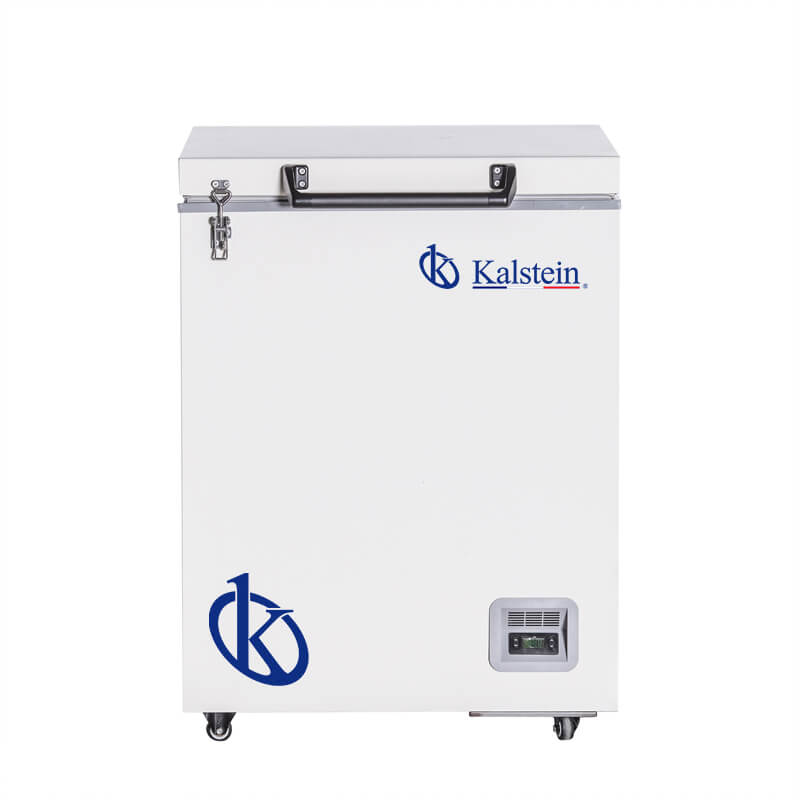
ISO/IEC Norms and Regulatory Compliance in Laboratory Chest Freezers
In laboratory environments, maintaining compliance with ISO/IEC norms is critical for operational integrity and reliability. Chest freezers, essential for preserving samples, must meet specific regulatory criteria to ensure the safety and efficacy of stored materials. This article explores the various ISO/IEC standards, focusing on how different models of chest freezers meet these compliance requirements.
Understanding ISO/IEC Standards Relevant to Chest Freezers
ISO/IEC standards are designed to ensure quality, safety, and efficiency in laboratory operations. Key standards relevant to chest freezers include:
- ISO 17025: This standard specifies general requirements for the competence of testing and calibration laboratories. It emphasizes the importance of proper equipment calibration and maintenance, essential for effective sample preservation.
- IEC 61010: This standard relates to the safety requirements for electrical equipment used in measurement, control, and laboratory use. It ensures that chest freezers function safely in laboratory settings.
- ISO 15189: This standard outlines the requirements for quality and competence in medical laboratories, including storage conditions for biological samples.
Comparison of Available Models
| Model | ISO/IEC Clauses Covered | Traceability Features | Best For |
|---|---|---|---|
| YR05102 | ISO 17025, IEC 61010 | Digital monitoring system | General laboratory use |
| YR05103 | ISO 17025, IEC 61010 | Alarm monitoring for safety | Clinical labs requiring reliable temperature control |
| YR05104 | ISO 17025, IEC 61010 | Multiple temperature alarms | Storage of sensitive biological materials |
| YR05314 | ISO 15189 | Integrated digital display | Biomedical applications requiring ultra-low temperatures |
| YR05313 | ISO 15189 | PTC sensor for accurate readings | Small labs with limited space |
| YR05315 | ISO 15189 | Advanced alarm systems | Storage of vaccines and sensitive samples |
Compliance with ISO 17025: Calibration and Maintenance
ISO 17025 emphasizes the necessity for regular calibration of laboratory equipment, including chest freezers. For instance, the YR05102 model is equipped with a microprocessor control system that allows for precise adjustments from +30°C to -40°C, ensuring that temperature settings remain within the required range for sample preservation.
Calibration schedules should be established based on the frequency of door openings and the amount of time the freezer is used. Regular checks should be logged, and any deviations from expected temperature ranges must be documented to maintain compliance.
IEC 61010: Safety Features in Chest Freezers
IEC 61010 outlines safety requirements for laboratory equipment. Models like the YR05103 come equipped with multiple alarms to detect high and low temperatures, sensor errors, and power failures. These features help ensure that users are alerted to any potential malfunction that could compromise sample integrity.
Additionally, chest freezers are designed to operate safely within specified electrical parameters (AC 187V - 242V), which aligns with IEC 61010 standards for operational safety, thus protecting both personnel and samples.
ISO 15189: Ensuring Quality in Medical Laboratories
ISO 15189 focuses on the quality management systems within medical laboratories. The YR05314 and YR05315 models specifically cater to biomedical applications with advanced alarm systems, ensuring temperature integrity for critical samples like vaccines and blood products.
These models include features like easy-to-read digital displays and efficient thermal insulation, which contribute to maintaining the required storage conditions stipulated in ISO 15189, enhancing the reliability of laboratory results and patient safety.
Common Mistakes and How to Avoid Them
Laboratory professionals often encounter pitfalls related to compliance and equipment usage. Here are common mistakes:
- Neglecting Calibration: Failing to adhere to a regular calibration schedule can lead to inaccurate temperature readings. Always ensure compliance with ISO 17025 standards.
- Inadequate Documentation: Not maintaining proper records of maintenance and calibration can result in compliance issues. Keep detailed logs for every model used, such as YR05104.
- Ignoring Alarm Systems: Overlooking alarm notifications can jeopardize sample integrity. Models like YR05103 are equipped with alarms that should be monitored continuously.
Frequently Asked Questions
What ISO standards should laboratory chest freezers comply with for sample preservation?
Laboratory chest freezers should comply with ISO 17025 and ISO 15189 to ensure proper sample preservation. For instance, the YR05102 model meets these standards by offering precise temperature control and monitoring systems that align with compliance requirements.
How often should calibration be performed on chest freezers in laboratories?
Calibration of laboratory chest freezers, such as the YR05314, should be performed regularly according to ISO 17025 guidelines. Typically, this means at least once a month or more frequently depending on usage and external conditions affecting temperature stability.
What are the key safety features of chest freezers under IEC 61010?
Key safety features include alarm systems that alert users to temperature deviations and electrical safety standards. For example, the YR05103 model utilizes multiple alarms to ensure that any malfunction is promptly addressed, enhancing laboratory safety.
Which models are best for biomedical applications that require ultra-low temperatures?
Models like the YR05314 and YR05315 are designed for biomedical applications, providing ultra-low temperature capabilities necessary for storing sensitive materials such as vaccines and blood samples, in compliance with ISO 15189.
What documentation is necessary for compliance with ISO 17025 in laboratories?
Documentation should include calibration records, maintenance logs, and temperature monitoring data. The YR05102 model's digital monitoring system facilitates accurate record-keeping, essential for compliance with ISO 17025.
How do temperature alarms contribute to regulatory compliance in laboratories?
Temperature alarms are crucial for ensuring that samples remain within required temperature ranges. Models like the YR05103 include advanced alarm features that notify users of any deviations, thus supporting compliance with ISO 15189 standards.
What is the importance of thermal insulation in chest freezers for laboratories?
Thermal insulation is vital for maintaining stable internal temperatures, reducing energy consumption, and ensuring compliance with ISO standards. Models like the YR05314 are designed with excellent insulation properties to optimize performance in laboratory settings.
How can I be sure my laboratory chest freezer complies with regulatory standards?
To ensure compliance, select models such as the YR05102 that meet ISO and IEC standards. Regular calibration, proper documentation, and using built-in safety features will contribute to maintaining compliance in laboratory environments.
If you are looking for a fusion of innovation and quality, you have come to the right place. At Kalstein, we offer you the luxury of exploring our exclusive catalog of laboratory equipment. We manufacture every device to the highest standards of excellence. Our intuitive and seamless online purchasing channels are designed for your convenience, securing the most competitive prices. Hesitate no longer — we bring science to life, it is time to become part of our community.