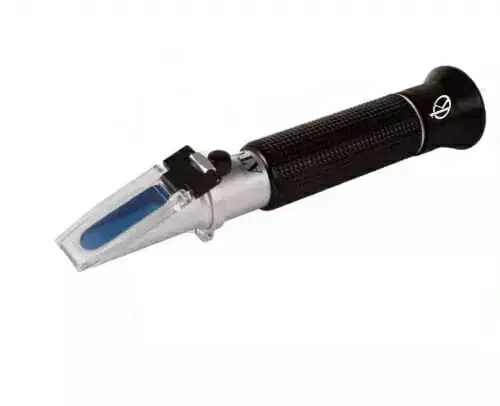
How to Ensure ISO/IEC Compliance with Wine Refractometers
In the world of laboratory testing, compliance with ISO/IEC standards is critical, especially for devices like wine refractometers that play a vital role in quality assurance within the wine industry. These standards help ensure accuracy, reliability, and the overall safety of laboratory practices. This article delves into how wine refractometers can meet essential compliance metrics, focusing on ISO/IEC standards, and offering a comparative analysis of available models.
Understanding ISO/IEC Standards in Laboratory Testing
ISO/IEC standards are international benchmarks that outline the requirements for quality management systems and laboratory competence. Among these, ISO 17025 provides crucial guidelines for laboratory testing and calibration, ensuring that laboratories are both technically competent and able to produce valid results. Adhering to these standards is not just about compliance; it's also about enhancing the credibility of laboratory results, which is paramount in industries such as winemaking.
Key ISO/IEC Standards Relevant to Wine Refractometers
Several ISO/IEC standards apply to laboratories that utilize wine refractometers. ISO 17025 is paramount, requiring labs to demonstrate their ability to produce accurate and reliable results while maintaining traceability to international standards. Additionally, IEC 61010 outlines safety requirements for electrical equipment, ensuring that devices are safe for use in laboratory settings. Understanding these standards enables laboratory professionals to select appropriate equipment that aligns with compliance goals.
ISO 17025: Essential Clauses and Compliance Tips
ISO 17025 consists of numerous clauses that laboratories must address. Key areas include:
- Management Requirements: This emphasizes the structure and quality management systems that laboratories must implement.
- Technical Requirements: Focuses on the technical competence of personnel, the quality of equipment, and methods used in testing.
Choosing a wine refractometer that aligns with these requirements, such as those with automatic temperature compensation (ATC) features, can significantly enhance compliance. Models like the YR05932, with its precision measurements of alcohol content, demonstrate how equipment can meet these standards.
How Wine Refractometers Help Meet Compliance Metrics
Wine refractometers, such as the YR05931 and YR05934, are designed with features that directly support compliance with ISO/IEC standards. These devices provide quick and accurate results, essential for maintaining the quality of wine. Their built-in ATC capabilities ensure that measurements remain valid across various temperature conditions, aligning with ISO 17025's focus on precision and accuracy.
Comparison of Available Wine Refractometer Models
| Model | ISO/IEC Clauses Covered | Traceability Features | Best For |
|---|---|---|---|
| YR05931 | ISO 17025 | Manual calibration | Alcohol measurement |
| YR05932 | ISO 17025 | Built-in calibration | Wineries |
| YR05933 | ISO 17025 | Automatic calibration | Research labs |
| YR05934 | ISO 17025 | Manual calibration | Quality control |
| YR05935 | IEC 61010 | Built-in calibration | Production facilities |
| YR05936 | ISO 17025 | Automatic calibration | Quality assurance |
Common Mistakes and How to Avoid Them
Laboratories often make mistakes when selecting equipment that does not adhere to ISO/IEC standards. Common pitfalls include neglecting to ensure traceability of measurements and failing to validate the calibration of instruments. To avoid these issues, it is essential to choose wine refractometers that are equipped with automatic calibration features, such as the YR05933, which simplifies compliance and enhances reliability.
Best Practices for ISO/IEC Compliance in Labs
To maintain compliance with ISO/IEC standards, laboratories should implement the following best practices:
- Regular Calibration: Schedule routine checks and calibration of all instruments to ensure accuracy.
- Document Procedures: Keep detailed records of equipment status, calibration results, and compliance audits.
- Training Personnel: Ensure all laboratory staff are trained on ISO/IEC standards and the proper use of instruments.
By adhering to these practices and utilizing models like the YR05932, laboratories can effectively meet compliance metrics while ensuring quality and reliability in testing.
Frequently Asked Questions
What are the compliance features of wine refractometers for ISO 17025?
Wine refractometers like the YR05931 feature precision measurement capabilities and traceability, ensuring labs can maintain compliance with ISO 17025. This model allows for manual calibration, essential for validating results.
How can I ensure my wine refractometer meets IEC 61010 safety standards?
To ensure compliance with IEC 61010, choose models like the YR05935, which are designed with electrical safety protocols. Regular safety checks and adherence to manufacturer guidelines further enhance safety compliance.
What is the importance of automatic temperature compensation in wine refractometers?
Models such as the YR05932 provide automatic temperature compensation, ensuring accurate readings across varying environmental conditions, which is vital for ISO compliance and reliable wine analysis.
Which wine refractometer is best for quality control in winemaking?
The YR05934 is highly recommended for quality control in winemaking, offering precise measurements and compliance with ISO/IEC standards, ensuring that wine producers maintain high quality.
How does ISO compliance impact the reliability of wine refractometers?
ISO compliance ensures that wine refractometers, like the YR05933, are calibrated accurately and produce reliable results, enhancing the credibility of laboratory findings and meeting industry standards.
What documentation is needed for ISO 17025 compliance in wine testing?
Documentation such as calibration records, test methods, and equipment maintenance logs is essential for ISO 17025 compliance. Utilizing a model like YR05931 facilitates accurate data collection and record-keeping.
Why is traceability important in laboratory measurements for ISO compliance?
Traceability is crucial for ISO compliance as it ensures that measurements can be linked to recognized standards. Models like the YR05932 with built-in calibration features support traceability, enhancing result credibility.
How can I optimize the use of my wine refractometer in a laboratory setting?
To optimize usage, ensure regular calibration of instruments like the YR05936 and train personnel on proper operation techniques. Implementing these practices enhances measurement accuracy and compliance.
If you are looking for a fusion of innovation and quality, you have come to the right place. At Kalstein, we offer you the luxury of exploring our exclusive catalog of laboratory equipment. We manufacture every device to the highest standards of excellence. Our intuitive and seamless online purchasing channels are designed for your convenience, securing the most competitive prices. Hesitate no longer — we bring science to life, it is time to become part of our community.