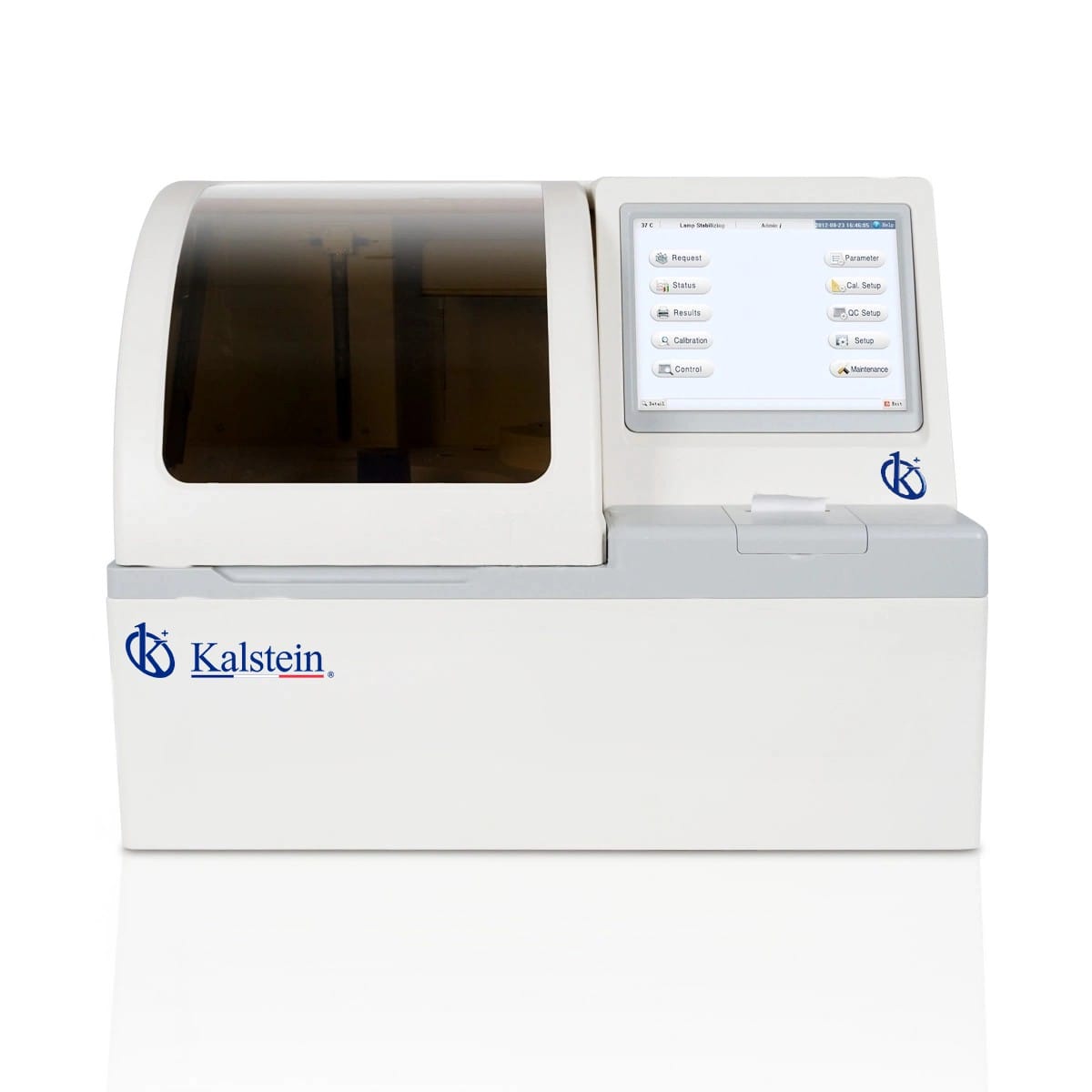
Achieving ISO/IEC Compliance in Veterinary Chemistry Analyzers: A Practical Guide
In the realm of veterinary diagnostics, the necessity for compliance with ISO/IEC standards is not just a regulatory obligation but an essential aspect of providing high-quality care. With the increasing focus on accuracy and reliability in laboratory results, veterinary chemistry analyzers play a crucial role in achieving these standards. This article delves into the critical aspects of ISO/IEC compliance, specifically tailored for veterinary chemistry analyzers, and provides a comprehensive look at various models available in the market.
Understanding ISO/IEC Standards in Veterinary Laboratories
The ISO/IEC standards, particularly ISO 17025, govern the requirements for testing and calibration laboratories. These standards ensure that laboratories are competent to carry out tests and produce reliable results. Compliance with these standards not only enhances the credibility of the laboratory but also instills confidence in clients regarding the accuracy of their diagnostic results. Veterinary laboratories must implement robust quality management systems and adhere to specific operational protocols that align with these standards.
Key ISO/IEC Standards Relevant to Veterinary Chemistry Analyzers
Several ISO/IEC standards are particularly pertinent to the functioning of veterinary chemistry analyzers:
- ISO 17025: This standard outlines the general requirements for the competence of testing and calibration laboratories, including necessary quality management systems.
- ISO 15189: This standard specifies the requirements for quality and competence in medical laboratories, applicable to veterinary medicine as well.
- IEC 61010: This standard deals with the safety requirements for electrical equipment used in measurement, control, and laboratory use, crucial for ensuring operator safety.
How ISO/IEC Compliance Enhances Laboratory Operations
Achieving ISO/IEC compliance brings numerous benefits to veterinary laboratories:
- Improved Accuracy: Compliance ensures that laboratories maintain calibration standards, leading to more accurate test results.
- Enhanced Efficiency: Streamlined processes resulting from quality management systems increase laboratory throughput.
- Increased Client Trust: Compliance with recognized standards fosters confidence among clients in the quality of services provided.
Comparison of Available Models
| Model | ISO/IEC Clauses Covered | Traceability Features | Best For |
|---|---|---|---|
| YR06168 | ISO 17025, IEC 61010 | Open reagent system for traceability | High throughput testing |
| YR06169 | ISO 15189 | Automatic calibration for accuracy | Point-of-care testing |
| YR06172 | ISO 17025 | Wireless data transfer for traceability | Rapid immunofluorescence testing |
| YR06174 | IEC 61010 | Integrated quality control system | Blood gas analysis |
| YR06077 | ISO 17025, ISO 15189 | Real-time reaction curve display | General chemistry analysis |
Common Mistakes and How to Avoid Them
Many laboratories face challenges when trying to comply with ISO/IEC standards, leading to common pitfalls:
- Neglecting Documentation: Accurate documentation is essential for compliance. Laboratories should maintain comprehensive records of procedures, calibrations, and quality control measures.
- Underestimating Training Needs: Staff training on ISO standards and operational protocols is vital. Continuous education helps ensure everyone is aware of their roles in maintaining compliance.
- Ignoring Equipment Calibration: Regular calibration of equipment, such as the YR06168, is necessary to uphold accuracy and traceability.
ISO/IEC Compliance: Integration with Quality Management Systems
Integrating ISO/IEC compliance into existing quality management systems is crucial for veterinary laboratories. This can be achieved through:
- Document Control: Establishing a document control system ensures that all quality manuals and procedures are up to date and accessible.
- Internal Audits: Regular internal audits help identify non-conformities and ensure that corrective actions are taken promptly.
- Management Reviews: Periodic management reviews assess the effectiveness of the quality management system and drive continuous improvement.
Impact of Technology on Compliance and Efficiency
Modern technology plays a transformative role in enhancing compliance and operational efficiency in veterinary laboratories:
- Automation: Automated systems in analyzers like the YR06174 reduce human error and improve consistency in test results.
- Data Management: Advanced data management systems allow for better tracking of samples and results, facilitating compliance with traceability requirements.
- Remote Monitoring: Technologies that support remote monitoring enable real-time oversight of laboratory processes, further enhancing operational efficiency.
Cost-Benefit Analysis of Compliance
The financial implications of achieving ISO/IEC compliance can be substantial, but the long-term benefits outweigh the costs. A cost-benefit analysis includes:
- Initial Investments: Costs associated with upgrading equipment to comply with standards (e.g., YR06169) and implementing quality management systems.
- Operational Savings: Reduced error rates lead to cost savings on retests and increased client satisfaction, which can enhance revenue.
- Reputation Enhancements: Compliance can enhance laboratory reputation, attracting more clients and increasing market competitiveness.
Frequently Asked Questions
What requirements must a veterinary chemistry analyzer meet for ISO 17025 compliance?
To meet ISO 17025 compliance, a veterinary chemistry analyzer like the YR06168 must demonstrate operational quality, accurate testing processes, and proper documentation procedures. This includes maintaining calibration records and implementing quality control measures to ensure test reliability.
Which features are essential for meeting IEC 61010 standards in veterinary analyzers?
Essential features for meeting IEC 61010 standards include user-friendly interfaces, like in the YR06169, and the adherence to safety protocols in electrical equipment, ensuring operator protection during laboratory operations.
How can veterinary laboratories ensure traceability in their testing processes?
Veterinary laboratories can ensure traceability by using analyzers like the YR06172, which supports data recording and management systems that maintain sample and result history, essential for compliance with ISO standards.
What are the common pitfalls in achieving ISO compliance in laboratory operations?
Common pitfalls include neglecting proper documentation and failing to maintain equipment calibration. Laboratories must be proactive in training and auditing processes to avoid these issues and ensure compliance.
How does ISO 15189 relate to veterinary chemistry analyzers?
ISO 15189 outlines the requirements for quality and competence in medical laboratories, directly applicable to veterinary chemistry analyzers like the YR06077, ensuring that diagnostic processes meet high standards of accuracy and reliability.
What role does automation play in achieving compliance with ISO standards?
Automation in systems like the YR06174 reduces human error, enhances efficiency, and helps maintain consistent quality control, thus facilitating compliance with ISO standards in laboratory settings.
How can a laboratory optimize its workflow to meet regulatory standards?
Laboratories can optimize workflows by implementing efficient laboratory practices, utilizing high-throughput analyzers like the YR06168, and ensuring proper staff training and error management strategies to align with regulatory standards.
What benefits do veterinary laboratories gain from ISO/IEC compliance?
Veterinary laboratories gain improved accuracy, increased client trust, and enhanced operational efficiency through ISO/IEC compliance, ensuring reliable results and better service delivery.
If you are looking for a fusion of innovation and quality, you have come to the right place. At Kalstein, we offer you the luxury of exploring our exclusive catalog of laboratory equipment. We manufacture every device to the highest standards of excellence. Our intuitive and seamless online purchasing channels are designed for your convenience, securing the most competitive prices. Hesitate no longer — we bring science to life, it is time to become part of our community.