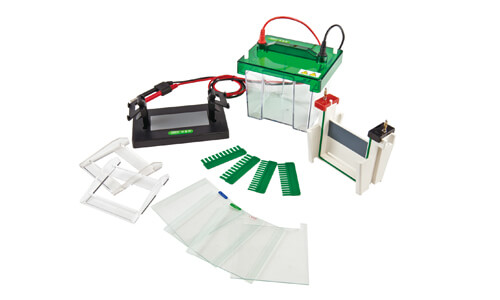
How to Ensure Compliance with ISO/IEC Standards in Vertical Electrophoresis
Vertical electrophoresis is a crucial technique in protein analysis, and adherence to ISO/IEC standards is essential for ensuring reliability and accuracy in laboratory results. This article examines the importance of compliance with ISO/IEC standards in vertical electrophoresis and explores various models that facilitate this compliance.
Understanding ISO/IEC Standards for Laboratories
ISO/IEC standards are essential frameworks that guide laboratories in maintaining quality and reliability in their operations. In the context of vertical electrophoresis, compliance with standards such as ISO 17025 ensures that laboratories produce valid and reliable test results. These standards outline the requirements for competence and consistent operation, providing assurance to clients and stakeholders.
Key ISO/IEC Standards Relevant to Vertical Electrophoresis
Laboratories utilizing vertical electrophoresis must focus on several ISO/IEC standards, particularly ISO 17025, which specifies the general requirements for the competence of testing and calibration laboratories. This standard includes critical aspects such as management requirements, technical requirements, and the need for proper documentation of procedures, which ensure that all testing processes are carried out consistently and reliably.
Benefits of Compliance with ISO/IEC Standards
Compliance with ISO/IEC standards offers numerous benefits, including improved laboratory efficiency, increased client trust, and enhanced credibility in the scientific community. For instance, following ISO 17025 can streamline workflows, ensuring that all steps in the vertical electrophoresis process are documented and standardized, leading to more reliable outcomes. Furthermore, compliance can mitigate the risks of non-conformity during audits and inspections.
Comparison of Available Models
| Model Code | ISO/IEC Clauses Covered | Traceability Features | Best For |
|---|---|---|---|
| YR03425 | ISO 17025 | Documented procedures | Routine analyses |
| YR03426 | ISO 17025 | Sample tracking | Multiple sample testing |
| YR03427 | ISO 17025 | Data integrity | High-throughput labs |
| YR03428 | ISO 17025 | Standard operating procedures | Protein characterization |
| YR03429 | ISO 17025 | Calibration records | Quality assurance |
| YR03430 | ISO 17025 | Traceable measurements | Experimental research |
Common Mistakes and How to Avoid Them
In laboratories, common mistakes in striving for ISO/IEC compliance can lead to significant setbacks. One frequent error is neglecting proper documentation of procedures and results. Without thorough records, laboratories may struggle to demonstrate compliance during audits. Additionally, failing to train staff on standard operating procedures can result in inconsistencies in testing. To avoid these pitfalls, laboratories should implement regular training sessions and maintain an organized documentation system that aligns with ISO/IEC standards.
Focus on Model Specifics for Compliance
Each model in the vertical electrophoresis category offers unique features that aid compliance with ISO/IEC standards. For instance, the Mini-Protean Vertical Electrophoresis Cell YR03425 allows for rapid glass plate installation, which can improve workflow efficiency and ensure minimal disruptions during testing. Meanwhile, the YR03426 model offers the capability to cast multiple gel plates simultaneously, which can enhance throughput while adhering to strict regulatory requirements.
Cost-Benefit Analysis of Vertical Electrophoresis Models
| Model | Initial Investment (USD) | Expected Lifespan (Years) | Cost per Test (USD) |
|---|---|---|---|
| YR03425 | 303.00 | 5 | 3.60 |
| YR03426 | 405.00 | 5 | 4.50 |
| YR03427 | 517.20 | 5 | 5.10 |
| YR03428 | 173.40 | 5 | 2.80 |
| YR03429 | 238.20 | 5 | 3.20 |
| YR03430 | 339.60 | 5 | 3.80 |
Frequently Asked Questions
What are the key ISO/IEC standards that apply to vertical electrophoresis laboratories?
Key standards include ISO 17025, which outlines the requirements for testing and calibration laboratories, ensuring reliable results in vertical electrophoresis operations. Compliance with this standard can significantly enhance laboratory competence and trustworthiness.
How can the Mini-Protean Vertical Electrophoresis Cell YR03428 help with ISO/IEC compliance?
The Mini-Protean Vertical Electrophoresis Cell YR03428 features documented standard operating procedures which aid in maintaining compliance with ISO/IEC standards, ensuring that all testing processes are carried out consistently and effectively.
What features should I look for in a vertical electrophoresis model to ensure regulatory compliance?
Look for features such as documented procedures, traceability of samples, and built-in calibration records. The Mini-Protean Vertical Electrophoresis Cell YR03426 offers capabilities for multiple sample testing, which is beneficial for compliance.
How does compliance with ISO 17025 impact laboratory productivity in vertical electrophoresis?
Compliance with ISO 17025 ensures standardized procedures, leading to more reliable results and improved laboratory productivity by streamlining workflows and minimizing errors, as seen with models like YR03430.
What is the importance of documentation in ISO/IEC compliance for vertical electrophoresis?
Documentation is crucial for demonstrating adherence to standards and maintaining traceability in testing processes. Models such as YR03425 help facilitate thorough documentation practices to support compliance efforts.
How can I minimize costs while maintaining ISO/IEC compliance in vertical electrophoresis?
Minimizing costs can be achieved by selecting efficient models like YR03428, which offer lower cost per test and high throughput capabilities, ensuring compliance without overspending on resources.
What are the common pitfalls in achieving compliance with ISO/IEC standards in vertical electrophoresis?
Common pitfalls include inadequate training, poor documentation practices, and failure to adhere to standard operating procedures. The YR03427 model's features promote better organization and compliance strategies to avoid these mistakes.
How often should I evaluate my vertical electrophoresis equipment for compliance with ISO/IEC standards?
Regular evaluations should be conducted at least annually to ensure ongoing compliance with ISO/IEC standards. Utilizing equipment like the YR03429 can help streamline the evaluation process with its built-in traceability features.
If you are looking for a fusion of innovation and quality, you have come to the right place. At Kalstein, we offer you the luxury of exploring our exclusive catalog of laboratory equipment. We manufacture every device to the highest standards of excellence. Our intuitive and seamless online purchasing channels are designed for your convenience, securing the most competitive prices. Hesitate no longer — we bring science to life, it is time to become part of our community.