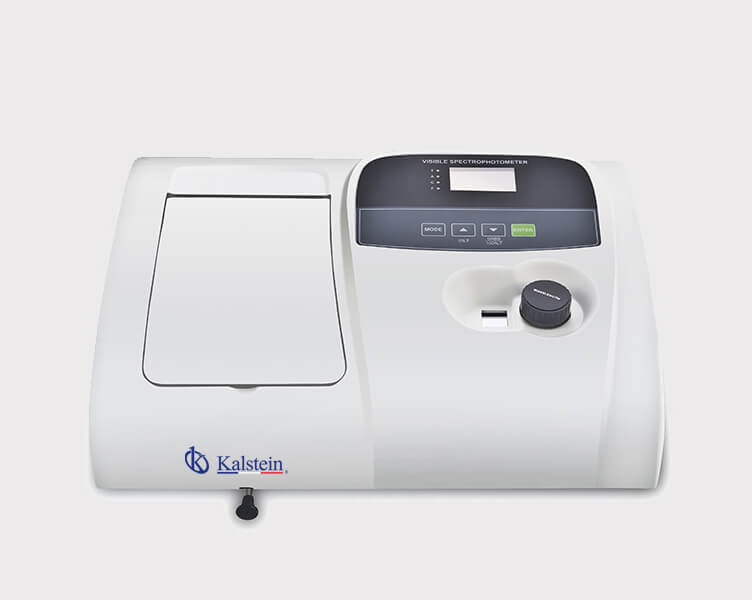
How to Ensure ISO/IEC Compliance with Unique Beam Spectrophotometers in Your Laboratory
In laboratory settings, ensuring compliance with ISO/IEC standards is crucial for maintaining quality and reliability in testing and measurement processes. Unique beam spectrophotometers play a vital role in this aspect as they provide precise measurements and data integrity. This article explores various models of unique beam spectrophotometers and how they align with important ISO/IEC standards, aiding laboratories in achieving compliance.
Understanding ISO/IEC Compliance in Laboratories
ISO (International Organization for Standardization) and IEC (International Electrotechnical Commission) set forth guidelines that laboratories must adhere to in order to ensure quality, safety, and efficiency in their operations. The main standards relevant to laboratories include ISO 17025, which outlines the requirements for the competence of testing and calibration laboratories, and IEC 61010, which specifies safety requirements for electrical equipment used in measurement, control, and laboratory applications.
Importance of Unique Beam Spectrophotometers in Regulatory Compliance
Unique beam spectrophotometers offer significant advantages in achieving ISO/IEC compliance, such as improved accuracy, reliability, and data management capabilities. By utilizing these advanced instruments, laboratories can enhance their testing processes, ensuring that they meet regulatory requirements efficiently. Each model presents unique features that can help laboratories comply with specific standards.
Key ISO/IEC Standards Relevant to Spectrophotometers
Several ISO/IEC standards are directly applicable to laboratories using unique beam spectrophotometers. Compliance with these standards not only ensures the accuracy of results but also the operational integrity of the laboratory environment. Key standards include:
- ISO 17025: Focuses on the competence of testing and calibration laboratories, emphasizing the importance of accurate measurements and reliable results.
- IEC 61010: Addresses the safety requirements for electrical instruments, ensuring safe usage in laboratories.
- ISO 15189: Pertains to medical laboratories and sets out the criteria for quality and competence, which includes the use of appropriate analytical instruments.
How Unique Beam Spectrophotometers Meet ISO/IEC Clauses
Each unique beam spectrophotometer model offers features that facilitate compliance with various ISO/IEC clauses:
Model: YR01844
This model includes a microprocessor-controlled system that enhances accuracy and reduces user error, aligning with ISO 17025 requirements for equipment calibration and performance verification.
Model: YR01845
Equipped with data output capabilities, this spectrophotometer can generate reports that meet documentation requirements of ISO 17025, ensuring traceability of results.
Model: YR01846
Featuring automatic wavelength adjustment, this model helps users maintain consistent performance, which is essential for compliance with IEC 61010 safety standards.
Model: YR01847
This spectrophotometer model emphasizes user-friendly controls, ensuring that operators can consistently meet the precision standards outlined in ISO 17025.
Model: YR01850
Utilizing an imported deuterium lamp, this model minimizes stray light, which enhances the photometric accuracy necessary for compliance with ISO 17025.
Model: YR01853
This model's advanced structure facilitates improved wavelength precision, directly supporting compliance with IEC 61010 through enhanced operational safety.
Comparison of Available Models
| Model | ISO/IEC Clauses Covered | Traceability Features | Best For |
|---|---|---|---|
| YR01844 | ISO 17025 | USB data output | General laboratory use |
| YR01845 | ISO 17025 | Standard curves configuration | Academic laboratories |
| YR01846 | IEC 61010 | Automatic wavelength adjustment | Research laboratories |
| YR01847 | ISO 17025 | User-friendly interface | Clinical laboratories |
| YR01850 | ISO 17025 | Deuterium lamp | Environmental testing |
| YR01853 | IEC 61010 | High-resolution optics | Quality assurance |
Common Mistakes and How to Avoid Them
Laboratories often encounter issues when striving for ISO/IEC compliance. Common mistakes include inadequate calibration, poor documentation practices, and failure to train personnel adequately. To avoid these pitfalls, it is critical to establish regular calibration schedules, maintain thorough documentation of results and procedures, and provide ongoing training for all laboratory staff. Utilizing models like the YR01844 and YR01845 can help facilitate compliance through their built-in features.
Why Regular Audits Are Essential for Compliance
Conducting regular audits is essential in maintaining compliance with ISO/IEC standards. Audits help identify gaps in procedures, equipment performance, and documentation practices. By implementing a standard operating procedure (SOP) for audits and utilizing spectrophotometers that support compliance, laboratories can enhance their operational integrity. Models like the YR01846 and YR01850, with their automated features, can help simplify the auditing process.
Frequently Asked Questions
How can unique beam spectrophotometers assist in achieving ISO 17025 compliance?
Unique beam spectrophotometers, such as the YR01844, supportISO 17025 compliance by facilitating accurate calibration and testing processes. Their automated features minimize user error, enhancing the reliability of results crucial for compliance.
Which IEC safety standards apply to unique beam spectrophotometers?
IEC 61010 safety standards apply to unique beam spectrophotometers, ensuring that they are constructed to operate safely in laboratory settings. Models like the YR01846 meet these standards through their design and operational features.
What documentation is required for ISO compliance using spectrophotometers?
Documentation for ISO compliance using spectrophotometers includes calibration records, standard operating procedures, and quality control data. The YR01845 model supports comprehensive documentation through its data output capabilities, ensuring traceability.
How do I maintain calibration records for my spectrophotometer?
To maintain calibration records for your spectrophotometer, it is essential to document each calibration session, noting the results and any adjustments made. The YR01850's USB connectivity streamlines this process by allowing easy data transfer and storage.
What are the common challenges in achieving ISO compliance?
Common challenges in achieving ISO compliance include inadequate training, insufficient documentation, and equipment malfunctions. Utilizing models like the YR01847 can help mitigate these issues through user-friendly interfaces and reliable performance.
Which spectrophotometer model is best for compliance with ISO 15189?
The YR01853 model is best for compliance with ISO 15189 due to its high measurement accuracy and capability to produce reliable results in medical laboratory settings, contributing significantly to quality assurance processes.
How often should unique beam spectrophotometers be calibrated for compliance?
Unique beam spectrophotometers should ideally be calibrated at least annually, or more frequently depending on usage and manufacturer recommendations. Models like the YR01846 help maintain precision, reducing the frequency of required adjustments.
What advantages do automated features provide in spectrophotometers for compliance?
Automated features in spectrophotometers, such as those found in the YR01844, reduce the risk of user error and enhance measurement accuracy. This capability is essential for maintaining compliance with strict ISO/IEC standards in laboratory environments.
If you are looking for a fusion of innovation and quality, you have come to the right place. At Kalstein, we offer you the luxury of exploring our exclusive catalog of laboratory equipment. We manufacture every device to the highest standards of excellence. Our intuitive and seamless online purchasing channels are designed for your convenience, securing the most competitive prices. Hesitate no longer — we bring science to life, it is time to become part of our community.