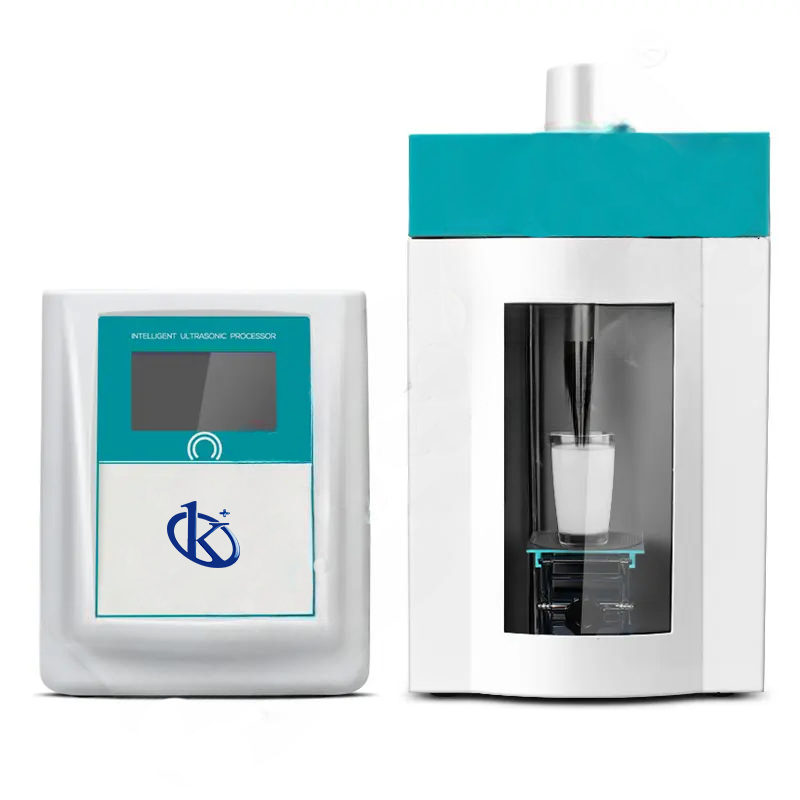
Achieving ISO/IEC Compliance in Laboratories with Ultrasonic Homogenizers
In the increasingly regulated landscape of laboratory environments, achieving compliance with ISO/IEC standards is paramount. Ultrasonic homogenizers play a critical role in this compliance by ensuring that processes meet stringent quality and operational requirements. This article will explore how various ultrasonic homogenizer models can aid laboratories in fulfilling ISO/IEC obligations, enhancing both performance and reliability.
Understanding ISO/IEC Standards Relevant to Laboratories
ISO/IEC standards provide a framework for quality assurance and operational effectiveness in laboratories. Key standards such as ISO 17025, which addresses testing and calibration laboratories, define the requirements for competence and consistency. Compliance with these standards ensures that laboratory processes are reliable, and results are trustworthy.
ISO 15189 specifically relates to medical laboratories, ensuring quality and competence in medical testing. Meanwhile, IEC 61010 focuses on safety requirements for electrical equipment used in measurement, control, and laboratory use. Ultrasonic homogenizers, due to their electrical components and operational procedures, must comply with these standards to operate within a laboratory setting.
How Ultrasonic Homogenizers Facilitate Compliance
Ultrasonic homogenizers, such as the YR05015 and YR05020 models, are designed with features that enhance compliance with ISO/IEC standards. These models include PID control, which allows for precise adjustment of ultrasonic power and operating time, thus ensuring consistent results critical for compliance. Furthermore, these units are equipped with overload protection, which prevents equipment failure that could lead to non-compliance.
Moreover, their ability to monitor and control the temperature of samples ensures that reactions occur under optimal conditions, directly supporting ISO 17025 requirements for environmental conditions in testing.
Specific ISO/IEC Clauses and How Each Model Addresses Them
| Model | ISO/IEC Clauses Covered | Traceability Features | Best For |
|---|---|---|---|
| YR05015 | ISO 17025, ISO 15189 | PID Control, Temperature Monitoring | Small to Medium Laboratories |
| YR05016 | ISO 17025 | Overload Protection | General Research Purposes |
| YR05017 | ISO 15189 | Voice Alarm Features | Clinical Laboratories |
| YR05018 | IEC 61010 | Temperature Control | Safety Compliance Testing |
| YR05019 | ISO 17025 | Data Communication Options | Data-Driven Labs |
| YR05020 | ISO 15189, IEC 61010 | Advanced Safety Features | High-Throughput Laboratories |
Common Mistakes and How to Avoid Them
One common mistake laboratories make is underestimating the importance of equipment calibration and maintenance. Failing to adhere to manufacturers' guidelines can lead to non-compliance and unreliable results. For ultrasonic homogenizers, regular calibration against traceable standards is essential to meet ISO 17025 requirements.
Another frequent oversight is inadequate training of laboratory personnel. Ensuring that users are well-trained in operating ultrasonic homogenizers like the YR05016 can help prevent operational errors that may compromise compliance. Regular training sessions should be conducted to keep staff knowledgeable about the standards relevant to their tasks.
Comparison of Available Models
| Model | Power (W) | Mixing Capacity (ml) | Price (USD) |
|---|---|---|---|
| YR05015 | 150 | 150 | 756.00 |
| YR05016 | 250 | 300 | 882.00 |
| YR05017 | 650 | 500 | 1050.00 |
| YR05018 | 900 | 600 | 1281.00 |
| YR05019 | 1200 | 1000 | 1785.00 |
| YR05020 | 1800 | 1200 | 2058.00 |
Strategies to Ensure Optimal Performance and Compliance
To maximize the performance of ultrasonic homogenizers, operators should regularly perform routine maintenance including checking for wear and tear on components. This can prevent unexpected failures that can lead to non-compliance. Additionally, establishing a calibration schedule based on manufacturer recommendations will help maintain accuracy and reliability.
Implementing a quality management system aligned with ISO 9001 can also facilitate compliance with ISO/IEC standards. This includes regular audits, documentation of processes, and maintaining a clear record of equipment performance and maintenance activities.
Frequently Asked Questions
How do ultrasonic homogenizers meet ISO 17025 requirements in laboratories?
Ultrasonic homogenizers such as the YR05018 are designed with features like PID control and temperature monitoring, ensuring compliance with ISO 17025. These features help maintain consistent results and traceability, which are critical for laboratory standards.
Which ultrasonic homogenizer model is best for achieving compliance with IEC 61010?
The YR05020 model includes advanced safety features that comply with IEC 61010 standards for electrical safety. Its design minimizes risk while ensuring optimal functionality in laboratory environments.
What are the common compliance issues with ultrasonic homogenizers?
Common compliance issues arise from inadequate calibration and poor maintenance practices. Models like YR05015 emphasize the need for regular checks and documentation of performance to meet ISO/IEC standards effectively.
How can training improve the use of ultrasonic homogenizers in compliance?
Regular training ensures that staff are knowledgeable about compliance protocols and equipment operation. This is especially crucial for models like YR05019, where operational errors can impact compliance with ISO 17025 and ISO 15189.
What is the role of maintenance in ensuring compliance for ultrasonic homogenizers?
Maintenance plays a critical role in ensuring that models such as YR05016 operate within specified limits, thereby meeting compliance requirements. Regular checks and calibrations help maintain the integrity of lab operations.
How do I choose the right ultrasonic homogenizer for my laboratory's needs?
Choosing the right model depends on your lab's specific requirements, such as capacity and power needs. For instance, the YR05017 is suitable for mid-sized labs requiring substantial power and mixing capacity while ensuring compliance.
What documentation is required for ISO 17025 compliance with ultrasonic homogenizers?
Documentation should include calibration records, maintenance logs, and operational procedures. Each model, such as the YR05020, should have detailed records to demonstrate adherence to ISO 17025 standards.
How can I ensure that my ultrasonic homogenizer is energy efficient while meeting compliance?
Energy efficiency can be assessed by checking power specifications of models like the YR05018, which is optimized for high performance while maintaining lower energy consumption. Regular monitoring can help evaluate compliance with sustainability initiatives.
If you are looking for a fusion of innovation and quality, you have come to the right place. At Kalstein, we offer you the luxury of exploring our exclusive catalog of laboratory equipment. We manufacture every device to the highest standards of excellence. Our intuitive and seamless online purchasing channels are designed for your convenience, securing the most competitive prices. Hesitate no longer — we bring science to life, it is time to become part of our community.