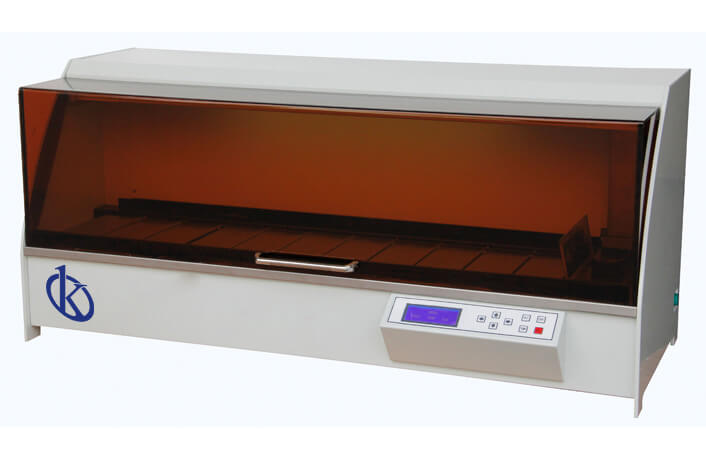
How to Ensure ISO/IEC Compliance in Tissue Processors for Pathological Laboratories?
In the rapidly evolving field of pathological anatomy, tissue processors play a pivotal role in specimen preparation. Ensuring compliance with ISO/IEC standards is not just a regulatory obligation but a cornerstone for quality assurance in laboratory settings. This article delves into the critical aspects of ISO/IEC compliance concerning tissue processors, highlighting specific standards, operational protocols, and model comparisons that align with regulatory requirements.
Understanding ISO/IEC Standards Relevant to Tissue Processors
ISO/IEC standards provide a framework for quality management systems, ensuring that laboratory equipment meets international benchmarks for safety, reliability, and performance. For tissue processors, the most pertinent standards include ISO 17025, focusing on testing and calibration laboratories, and IEC 61010, which outlines safety requirements for electrical equipment.
ISO 17025 ensures that laboratories are technically competent, which is crucial for obtaining accurate results in pathological analyses. Compliance with IEC 61010 ensures that tissue processors are safe for laboratory personnel, minimizing risks associated with electrical components.
Key Regulatory Compliance Areas for Tissue Processors
Compliance with ISO/IEC standards in tissue processors involves several critical areas:
- Documentation Requirements: Detailed documentation must be maintained to demonstrate compliance with operational procedures, maintenance, and calibration records.
- Audit Checklists: Regular audits must be conducted to ensure adherence to ISO/IEC standards, identifying areas for improvement.
- Traceability: Tissue processors must ensure that all processes are traceable, allowing for reliable quality control and assurance.
Comparison of Available Models
| Model | ISO/IEC Clauses Covered | Traceability Features | Best For |
|---|---|---|---|
| YR431-1 | ISO 17025, IEC 61010 | Comprehensive logging for every processing step | Medium-sized laboratories requiring high capacity |
| YR436-2 | ISO 17025 | Basic traceability with manual logs | Start-up labs with lower processing needs |
| YR427 | ISO 17025 | Optional external logging integration | Cost-effective small labs |
| YR428 | ISO 17025, IEC 61010 | Internal log with LCD display | Small labs needing quality sections |
| YR429 | ISO 17025 | Editable program logs | Medium labs focused on efficiency |
Benefits of ISO/IEC Compliance in Tissue Processors
Adhering to ISO/IEC compliance not only ensures regulatory adherence but also contributes to improved operational efficiency and enhanced credibility among clients and stakeholders. By implementing these standards, laboratories can:
- Enhance the quality of histopathological analyses.
- Reduce the risk of errors associated with manual processes.
- Ensure the safety of laboratory personnel through adherence to IEC 61010.
Common Mistakes and How to Avoid Them
Many laboratories overlook critical compliance factors. Common mistakes include:
- Inadequate documentation of operational procedures and maintenance.
- Failure to conduct regular audits for compliance verification.
- Lack of staff training on ISO/IEC standards.
To avoid these pitfalls, ensure comprehensive training programs are implemented and maintain an updated compliance checklist.
Best Practices for Maintaining Compliance in Tissue Processors
Regular maintenance schedules, calibration protocols, and compliance checklists should be standard practice in laboratories utilizing tissue processors. Ensuring staff are trained and aware of compliance requirements is crucial. Additionally, adopting a proactive approach to monitoring equipment performance will help maintain compliance and improve laboratory outcomes.
Frequently Asked Questions
How can I ensure my tissue processor meets ISO 17025 requirements?
To ensure your tissue processor, like the YR431-1, meets ISO 17025 requirements, maintain comprehensive documentation, conduct regular audits, and implement a robust quality management system. This will ensure technical competence and accuracy in test results.
What are the key features of YR431-1 that support IEC 61010 compliance?
The YR431-1 includes essential safety features such as an ergonomic design and precise temperature controls, complying with IEC 61010. This model also supports traceability through comprehensive logging of operational processes.
How do I maintain traceability in tissue processing with the YR428 model?
The YR428 model facilitates traceability by providing internal logs that track each processing step. This ensures that all specimens processed are accounted for, aligning with ISO 17025 traceability requirements.
What is the importance of regular audits for tissue processors under ISO 17025?
Regular audits ensure that your tissue processors, such as the YR431-1, adhere to ISO 17025 standards. They help identify non-conformities and areas needing improvement, ultimately enhancing laboratory performance and compliance.
Which tissue processor model is best for small laboratories focusing on compliance?
The YR427 is ideal for small laboratories focusing on ISO compliance, as it provides essential features at a cost-effective price. Its design ensures reliable performance while maintaining adherence to required standards.
How can I improve my laboratory's compliance with IEC standards using tissue processors?
Improving compliance with IEC standards can be achieved by choosing models like the YR431-1 that incorporate safety features, ensuring all electrical components meet predefined safety criteria and enhancing overall laboratory safety.
What documentation is required to comply with ISO/IEC standards for tissue processors?
Compliance with ISO/IEC standards for tissue processors requires documentation such as operational procedures, calibration records, maintenance logs, and audit reports to demonstrate adherence to all relevant standards.
How do I ensure my laboratory's tissue processors remain compliant over time?
To ensure ongoing compliance of your tissue processors, implement a regular maintenance schedule, conduct periodic audits, and provide continuous staff training on compliance requirements. This proactive approach is essential for maintaining ISO/IEC adherence.
If you are looking for a fusion of innovation and quality, you have come to the right place. At Kalstein, we offer you the luxury of exploring our exclusive catalog of laboratory equipment. We manufacture every device to the highest standards of excellence. Our intuitive and seamless online purchasing channels are designed for your convenience, securing the most competitive prices. Hesitate no longer — we bring science to life, it is time to become part of our community.