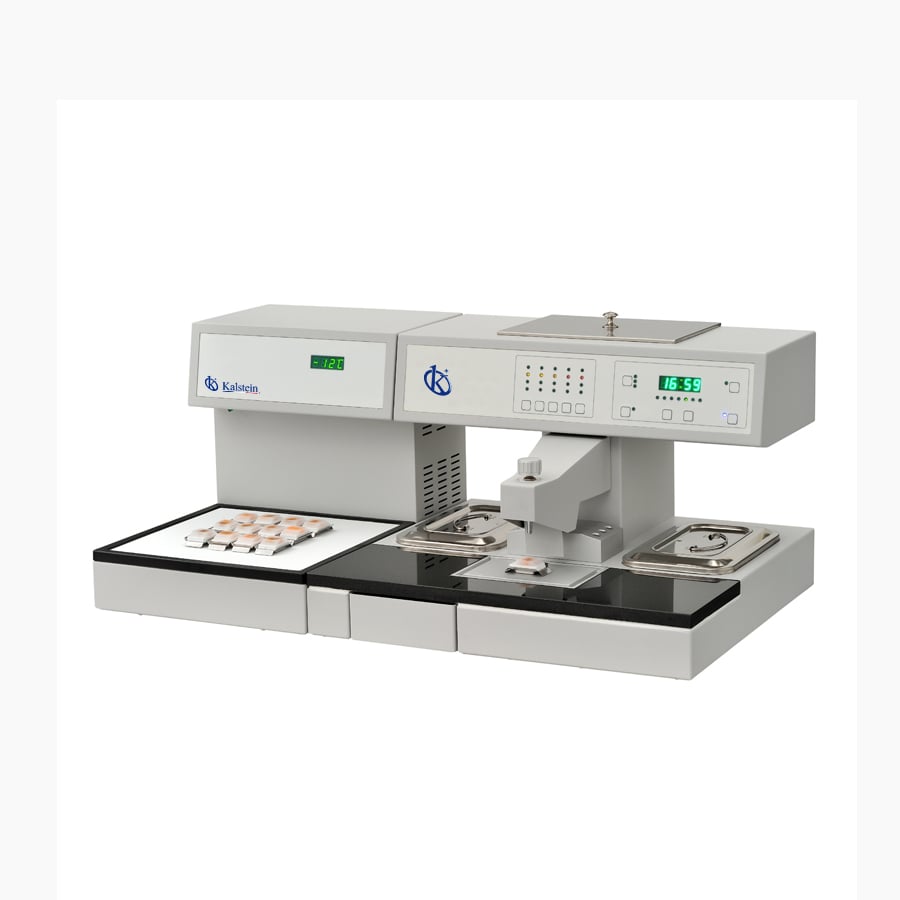
How to Ensure Compliance with ISO/IEC Regulations in Tissue Embedding Systems
In the domain of pathological anatomy and histology, compliance with ISO/IEC regulations is paramount for laboratories that aim to uphold quality assurance and reliability in tissue processing. This article delves into various tissue embedding systems, analyzing their specifications in relation to significant ISO/IEC standards such as ISO 17025 and ISO 15189. It provides a comprehensive evaluation of how each system enhances regulatory compliance through advanced features and functionalities.
Understanding ISO/IEC Standards Relevant to Tissue Embedding Systems
ISO/IEC standards provide a framework for quality management systems in laboratories. ISO 17025, for instance, focuses on the competence of testing and calibration laboratories, emphasizing the importance of valid results, traceability, and reliable operations. In the context of tissue embedding systems, compliance with these standards ensures that laboratories can produce consistent, reproducible results essential for diagnostic and therapeutic purposes.
ISO 15189 specifically addresses the requirements for quality and competence in medical laboratories, including those involved in histopathology. It necessitates that laboratories implement a quality management system that oversees all areas of operation, including tissue handling, processing, and embedding, thus ensuring the integrity of laboratory results.
Overview of Key Features in Tissue Embedding Systems
Tissue embedding systems are engineered to provide precision in tissue processing. Features such as programmable controls, temperature regulation, and efficient cooling mechanisms play a vital role in maintaining compliance with regulatory standards. These systems must offer automated features to facilitate consistent operational procedures, aligning with the strict requirements set by ISO/IEC regulations.
Detailed Comparison of Available Models
| Model | ISO/IEC Clauses Covered | Traceability Features | Best For |
|---|---|---|---|
| YR441 | ISO 17025 | Color-changing LED for status monitoring | High throughput laboratories |
| YR447 | ISO 15189 | Integrated temperature measurement system | Advanced histology labs |
| YR439 | ISO 17025 | Programmable working hours | Routine pathology processing |
| YR445 | ISO 15189 | Comprehensive control panel for monitoring | Multi-user environments |
| YR439-1 | ISO 17025 | High precision integrated temperature control | Research laboratories |
| YR440B | ISO 15189 | Real-time temperature display | Biological tissue storage |
Key ISO/IEC Standards and How Models Comply
ISO 17025 Compliance Overview
ISO 17025 outlines requirements for laboratories to demonstrate competence in testing and calibration. The YR441 model meets this standard through its precise temperature control mechanisms, which are crucial for ensuring that tissue samples are processed under optimal conditions. The LED indicators provide real-time feedback on the system’s status, thus enhancing operational transparency.
ISO 15189 Compliance Overview
ISO 15189 focuses on diagnostic laboratories' quality management. The YR447 model exemplifies compliance with this standard by offering a highly programmable control system that allows for automated start and stop operations, ensuring that the lab can maintain high standards of sample integrity throughout the embedding process.
Common Mistakes and How to Avoid Them
Laboratories often encounter pitfalls when striving for ISO/IEC compliance. A common mistake is inadequate training of staff on how to use tissue embedding systems correctly. Ensuring that operators understand the features of the YR439 model, for instance, can significantly reduce errors in sample processing. Additionally, neglecting regular maintenance of equipment can compromise compliance; thus, it is essential to follow a strict calibration schedule.
Frequently Asked Questions
How do tissue embedding systems ensure compliance with ISO 17025 standards?
Tissue embedding systems like the YR441 incorporate precise temperature controls and monitoring capabilities that are essential for compliance with ISO 17025 standards. These features ensure that tissues are processed consistently and accurately, meeting the regulations set forth by the standard.
Which tissue embedding model is best for laboratories aiming for ISO 15189 compliance?
The YR447 model is particularly well-suited for laboratories aiming for ISO 15189 compliance, as it offers programmable controls that facilitate automated operations, thereby enhancing workflow and ensuring quality standards are met in histopathology processes.
What temperature control features should I look for in tissue embedding systems for compliance?
When selecting tissue embedding systems, you should look for features like the precise temperature ranges provided by the YR445 model, which operates effectively between room temperature and 85℃. This feature ensures that the system remains compliant with the necessary environmental controls required by ISO standards.
How can regular maintenance of embedding systems impact compliance with ISO standards?
Regular maintenance of embedding systems, such as the YR439 model, is crucial to ensuring compliance with ISO standards. A well-maintained system ensures consistent performance and results, which is necessary for meeting the quality management requirements outlined in ISO 17025 and ISO 15189.
What are the traceability features I should expect in compliant tissue embedding systems?
Compliant tissue embedding systems like the YR440B feature integrated tracking mechanisms that display operational data in real-time. Such traceability features are essential for laboratories to maintain quality assurance in accordance with ISO/IEC standards.
How do programmable controls enhance compliance in tissue embedding systems?
Programmable controls, as seen in systems like the YR439-1, enhance compliance by allowing laboratories to automate processes, thereby minimizing human error, and ensuring consistent adherence to protocols required by ISO 15189 and ISO 17025.
What should be included in a calibration schedule for tissue embedding systems?
A calibration schedule for tissue embedding systems should include regular temperature checks, functionality tests, and maintenance intervals, ensuring that models like the YR445 are always operating within the standards set by ISO regulations.
Where can I find reliable tissue embedding systems for laboratory compliance?
You can find reliable tissue embedding systems for laboratory compliance at manufacturers such as Kalstein, which provide models like the YR441 that are designed to meet ISO/IEC standards effectively.
If you are looking for a fusion of innovation and quality, you have come to the right place. At Kalstein, we offer you the luxury of exploring our exclusive catalog of laboratory equipment. We manufacture every device to the highest standards of excellence. Our intuitive and seamless online purchasing channels are designed for your convenience, securing the most competitive prices. Hesitate no longer — we bring science to life, it is time to become part of our community.