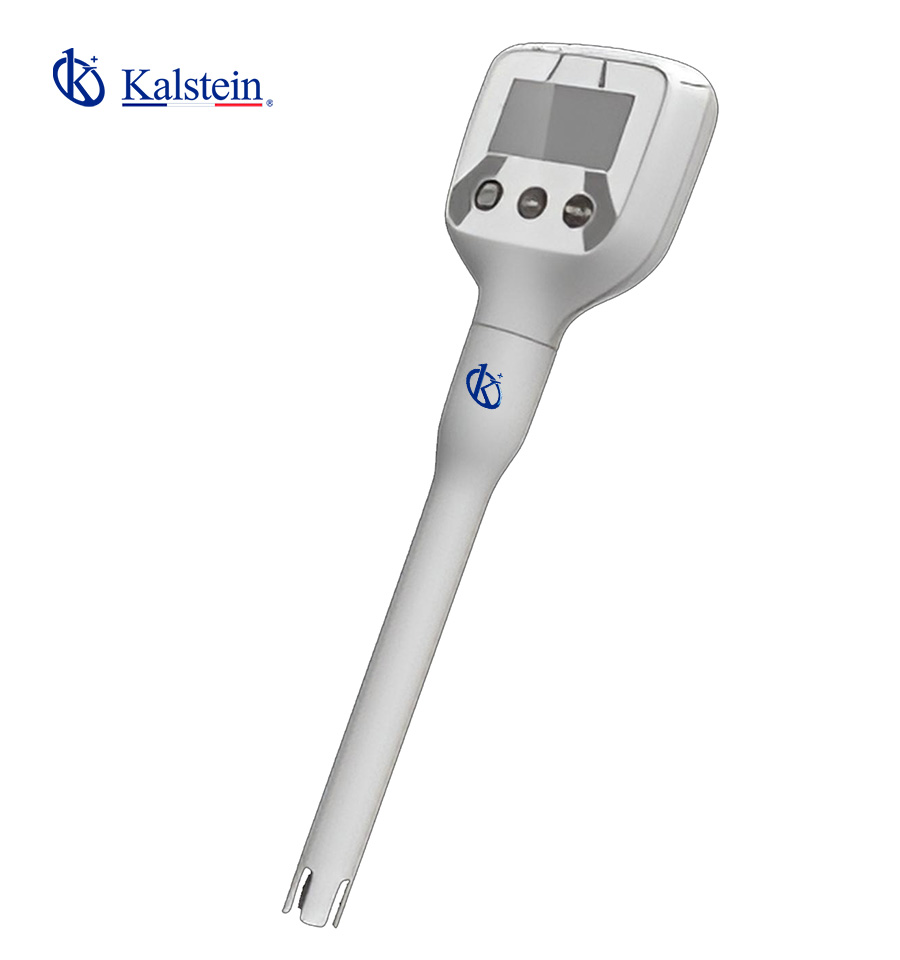
How to Ensure ISO/IEC Compliance with Portable Conductivity Meters in Your Laboratory
In today's rapidly evolving laboratory landscape, ensuring compliance with ISO/IEC standards is not just a regulatory necessity but also a commitment to quality assurance. Portable conductivity meters play a pivotal role in this compliance landscape, enabling laboratories to measure water quality, monitor environmental conditions, and ensure the accuracy of various chemical analyses. This article delves into the ISO/IEC standards relevant to these instruments, evaluates their capabilities, and provides guidance on how to effectively integrate these tools into your compliance framework.
Understanding ISO/IEC Standards Relevant to Portable Conductivity Meters
The ISO/IEC standards that govern laboratory equipment and testing methods ensure consistency, reliability, and accuracy in measurements. For portable conductivity meters, key standards include:
- ISO 17025: This standard specifies the general requirements for the competence of testing and calibration laboratories. It is crucial for laboratories to demonstrate consistent performance in their measurements.
- ISO 15189: This is specific to medical laboratories, focusing on quality management systems and the competence of laboratory personnel, which is essential in maintaining standards.
- IEC 61010: Pertaining to safety requirements for electrical equipment for measurement, control, and laboratory use, ensuring that portable devices are safe for everyday use in laboratories.
Comparison of Available Models
| Model | ISO/IEC Clauses Covered | Traceability Features | Best For |
|---|---|---|---|
| YR01805 | ISO 17025 | Automatic calibration and traceable standards | Field testing |
| YR01806 | ISO 17025, IEC 61010 | Data storage for traceability | Laboratory settings |
| YR01808 | ISO 15189, ISO 17025 | Multi-point calibration | Routine water testing |
| YR01809 | ISO 17025 | Automatic temperature compensation | Environmental monitoring |
| YR01810 | ISO 15189 | Supports multiple calibration standards | Educational use |
| YR01811 | ISO 17025 | Simplified one-point calibration | Budget-conscious labs |
Key Features to Ensure Compliance in Portable Conductivity Meters
When choosing a portable conductivity meter, it's important to focus on several critical features that align with ISO/IEC standards:
- Calibration: Automatic or manual calibration features are essential for ensuring accuracy and meeting ISO 17025 requirements. Models like YR01806 offer multi-point calibration options, enhancing reliability.
- Temperature Compensation: Automatic temperature compensation is critical for accurate conductivity readings, especially in varying environmental conditions. The YR01809 excels in this area, ensuring data integrity.
- Data Storage: The ability to store data and manage traceability is vital for compliance. Devices such as the YR01806 allow for easy data management, supporting regulatory requirements.
Common Mistakes and How to Avoid Them
Laboratories may encounter several pitfalls when integrating portable conductivity meters into their compliance framework:
- Neglecting Calibration: One of the most common mistakes is failing to regularly calibrate devices. Ensure that models like YR01808 are calibrated against recognized standards, adhering to ISO guidelines.
- Inadequate Training: Personnel should be adequately trained in the use and maintenance of these devices. Regular training sessions can alleviate compliance issues.
- Ignoring Documentation: Maintaining thorough records of calibration and maintenance is crucial. Use models such as YR01810, which support data logging, to keep accurate records.
Strategies for Effective Compliance Management
To effectively manage compliance in laboratory environments, consider these strategies:
- Implement Standard Operating Procedures (SOPs): Create SOPs that include calibration schedules, maintenance routines, and compliance checks. This ensures consistency across all uses of portable conductivity meters.
- Regular Audits: Schedule regular internal audits to ensure compliance with ISO/IEC standards. This will help identify areas for improvement and validate that equipment meets the necessary standards.
- Engage with Quality Control Experts: Collaborate with professionals who specialize in ISO compliance to ensure that your laboratory practices align with current standards.
Frequently Asked Questions
What are the ISO 17025 requirements for portable conductivity meters?
The ISO 17025 requirements for portable conductivity meters include ensuring accurate calibration, equipment traceability, and proper documentation. Models like YR01806 facilitate compliance through features like automatic calibration and data storage, essential for meeting regulatory criteria.
Which portable conductivity meter is best for ISO 15189 compliance?
The YR01810 is highly effective for ISO 15189 compliance, as it accommodates multiple calibration standards and offers features tailored for medical laboratory environments. Its dual display and comprehensive data management align well with this standard.
How can a laboratory ensure traceability with portable conductivity meters?
To ensure traceability, laboratories can utilize devices like the YR01808 that support multi-point calibration and automatic recognition of calibration standards. This ensures that all measurements are backed by recognized traceable references, fulfilling compliance requirements.
What calibration methods are recommended for portable conductivity meters?
Recommended calibration methods include using standard solutions for one-point or multi-point calibrations, as seen with models like YR01809. Following manufacturer guidelines ensures adherence to ISO/IEC standards during the calibration process.
How often should portable conductivity meters be calibrated for compliance?
Portable conductivity meters should be calibrated regularly, typically every 3 to 6 months, depending on usage and the model. For instance, the YR01805 should undergo calibration more frequently if used in varying environmental conditions to ensure compliance with ISO standards.
What is the importance of temperature compensation in portable conductivity meters?
Temperature compensation is critical for ensuring that conductivity measurements remain accurate across various environmental conditions. Models like the YR01809 feature automatic temperature compensation, which is essential for compliance with ISO/IEC standards.
How can I choose a portable conductivity meter that meets regulatory standards?
When selecting a portable conductivity meter, look for features such as automatic calibration, data storage capabilities, and compliance certifications. Models like YR01806 and YR01810 are designed to meet ISO/IEC regulations effectively.
Where can I find resources for ISO/IEC compliance in laboratory equipment?
Resources for ISO/IEC compliance in laboratory equipment can often be found through industry associations, quality assurance organizations, and the manufacturers of laboratory equipment. Seeking guidance from professionals who specialize in quality management can also be beneficial.
If you are looking for a fusion of innovation and quality, you have come to the right place. At Kalstein, we offer you the luxury of exploring our exclusive catalog of laboratory equipment. We manufacture every device to the highest standards of excellence. Our intuitive and seamless online purchasing channels are designed for your convenience, securing the most competitive prices. Hesitate no longer — we bring science to life, it is time to become part of our community.