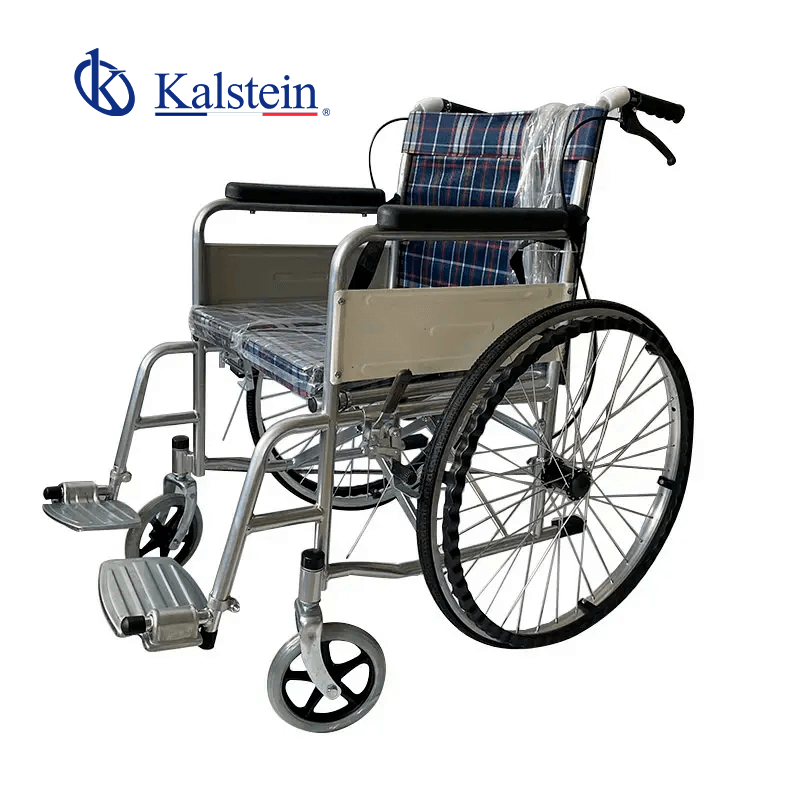
ISO/IEC Compliance in Laboratory Settings: A Comprehensive Guide for Manual Wheelchairs
In the realm of laboratory equipment, adhering to ISO/IEC standards is paramount for ensuring safety, quality, and effectiveness. This article explores how manual wheelchairs, specifically designed for laboratory professionals, can meet these critical compliance standards. Understanding the role of these devices in a regulated environment can help laboratories maintain operational efficiency and compliance with international regulations.
Understanding ISO/IEC Standards Relevant to Manual Wheelchairs
ISO/IEC standards provide a set of criteria that ensure the quality and safety of medical devices, including manual wheelchairs. Standards like ISO 17025 and IEC 61010 focus on testing and quality management systems. Compliance with these standards involves rigorous documentation, calibration, and design specifications that ensure the reliability of wheelchairs used in laboratories.
ISO 17025 and Its Impact on Laboratory Wheelchair Usage
ISO 17025 specifies the general requirements for the competence of testing and calibration laboratories. For manual wheelchairs used in laboratory settings, this standard ensures that they are properly calibrated and maintained, allowing for safe and effective use. Compliance includes maintaining records of equipment calibration, ensuring traceability, and performing regular audits.
IEC 61010: Safety Standards for Electrical Equipment in Laboratories
IEC 61010 focuses on the safety of electrical equipment used in testing and measurement. While manual wheelchairs may not be primarily electrical, understanding these safety standards is essential when integrating wheelchairs equipped with electronic features such as braking systems or mobility aids. Compliance ensures the devices are safe for both users and operators in a laboratory setting.
Comparison of Available Models
| Model | ISO/IEC Clauses Covered | Traceability Features | Best For |
|---|---|---|---|
| YR05450 | ISO 17025, IEC 61010 | Fixed armrests, PU MAG rear wheels | General laboratory use |
| YR05451 | ISO 17025 | Portable features, TPR front wheels | Field applications |
| YR05456 | IEC 61010 | Hydraulic back control | Research labs with adjustable needs |
| YR05452 | ISO 17025 | Carbon steel reinforcement | Heavy-duty applications |
| YR05454 | ISO 17025, IEC 61010 | Fixed armrests, pneumatic rear wheels | Specialty laboratories |
| YR05453 | IEC 61010 | High-resistance Oxford cushion | Durable lab settings |
Common Mistakes and How to Avoid Them
Laboratories often overlook the importance of maintaining compliance with ISO/IEC standards, particularly when it comes to documentation. One common mistake is failing to keep accurate records of wheelchair maintenance and calibration. Laboratories should implement a robust documentation system that tracks compliance, including maintenance schedules and audit results, to avoid penalties and ensure safety in all procedures.
Overcoming Compliance Challenges in Laboratory Settings
Compliance with ISO/IEC standards can pose challenges, particularly in the interpretation of requirements related to manual wheelchairs. Regular training sessions for staff on compliance standards, and incorporating technology that monitors equipment usage and maintenance can aid in overcoming these challenges. Additionally, involving regulatory compliance experts during the equipment selection process can prevent future issues.
Importance of Documentation in Regulatory Compliance
Maintaining comprehensive documentation is vital for demonstrating compliance with ISO/IEC standards. This includes keeping records of maintenance, calibration, and user training. Laboratories using models like the YR05450 must ensure that all documentation is readily available for audits and inspections to avoid non-compliance fines and enhance laboratory safety.
Frequently Asked Questions
What are the key ISO/IEC standards for manual wheelchairs in laboratories?
The key ISO/IEC standards include ISO 17025 and IEC 61010, which focus on competence and safety in laboratory equipment. Manual wheelchairs like the YR05450 comply with these standards, ensuring reliability and safety.
How can I ensure my wheelchair complies with ISO 17025?
To ensure compliance with ISO 17025, maintain accurate records of calibration, maintenance, and performance of your manual wheelchair. Models like YR05451 come with traceable features that aid in compliance.
Which manual wheelchair is best for IEC 61010 compliance?
The YR05456 model is best suited for IEC 61010 compliance, as it includes features that ensure safety in laboratory environments, making it ideal for use with electrical equipment.
How does documentation affect compliance in laboratory settings?
Documentation is crucial for compliance as it provides evidence of adherence to ISO/IEC standards. Regular audits and maintaining updated records of models like the YR05454 can prevent compliance issues.
What are the risks of non-compliance with ISO/IEC standards?
Non-compliance with ISO/IEC standards can lead to regulatory fines, increased liability, and potentially unsafe working conditions. Using compliant models like YR05453 mitigates these risks.
Which model offers the best support for laboratory professionals?
The YR05452 manual wheelchair offers excellent support for laboratory professionals, featuring a comfortable design and compliance with key standards, making it suitable for various lab applications.
Conclusion
If you are looking for a fusion of innovation and quality, you have come to the right place. At Kalstein, we offer you the luxury of exploring our exclusive catalog of laboratory equipment. We manufacture every device to the highest standards of excellence. Our intuitive and seamless online purchasing channels are designed for your convenience, securing the most competitive prices. Hesitate no longer — we bring science to life, it is time to become part of our community.