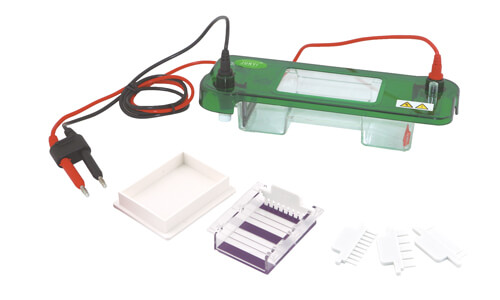
How to Ensure ISO/IEC Compliance with Horizontal Electrophoresis Systems?
In today's regulatory environment, laboratories are expected to adhere to various ISO/IEC standards to ensure quality, safety, and efficiency in their operations. Horizontal electrophoresis systems, widely used for DNA and RNA analysis, play a crucial role in molecular biology and genetics research. Compliance with relevant ISO and IEC norms not only promotes best practices but also enhances the credibility of laboratory results. This article explores the necessary steps to achieve compliance with horizontal electrophoresis systems, including a comparison of different models and common pitfalls to avoid.
Understanding ISO/IEC Standards Relevant to Electrophoresis
ISO/IEC standards provide a framework for laboratories to follow, ensuring consistency and reliability in their operations. ISO 17025 is particularly significant, as it sets out the general requirements for the competence of testing and calibration laboratories. For laboratories utilizing horizontal electrophoresis systems, adhering to ISO 17025 means establishing processes for sample management, calibration of equipment, and ensuring traceability of results. Other relevant standards include ISO 15189, which outlines requirements for quality and competence in medical laboratories, and IEC 61010, which specifies safety requirements for electrical equipment in laboratory settings. Understanding these standards is paramount for laboratories seeking to maintain compliance and improve operational efficiency.
Key ISO/IEC Clauses Addressed by Horizontal Electrophoresis Systems
Horizontal electrophoresis systems must comply with specific clauses outlined in the ISO/IEC standards. For instance:
- ISO 17025 Clause 5.4: This clause covers equipment calibration and maintenance, a critical aspect for electrophoresis systems to ensure accurate results.
- ISO 15189 Clause 4.1: It emphasizes the importance of personnel competence, requiring laboratories to ensure that operators are trained and qualified to use horizontal electrophoresis systems effectively.
- IEC 61010 Clause 6: This focuses on safety requirements, ensuring that electrophoresis equipment is safe for both operators and the environment.
Comparison of Available Models
| Model | ISO/IEC Clauses Covered | Traceability Features | Best For |
|---|---|---|---|
| YR03415 | ISO 17025, IEC 61010 | Calibration logs available | Flexible gel electrophoresis |
| YR03416 | ISO 17025, ISO 15189 | Traceability to national standards | Small sample size experiments |
| YR03417 | ISO 17025, IEC 61010 | Integrated tracking system | High throughput analysis |
| YR03418 | ISO 15189, IEC 61010 | Comprehensive data management | Multi-user environments |
| YR03419 | ISO 17025, IEC 61010 | Automated calibration reminders | Research and development labs |
| YR03420 | ISO 17025, ISO 15189 | Real-time data monitoring | Large-scale experiments |
Common Errors and How to Avoid Them
Compliance with ISO/IEC standards can often be hindered by common mistakes in operational processes. Here are some pitfalls to avoid:
- Ignoring Documentation: Laboratories often fail to maintain adequate documentation for equipment calibration and operation. Ensure all processes are well documented and easily accessible.
- Inadequate Training: Operators of horizontal electrophoresis systems should receive thorough training on both the equipment and applicable standards. Regular training sessions can help maintain compliance.
- Neglecting Maintenance: Regular maintenance checks are essential. Create a maintenance schedule for all electrophoresis systems to ensure they remain in optimal condition and compliant with safety standards.
Implementing Traceability in Electrophoresis
Traceability is a crucial aspect of compliance with ISO/IEC standards. Laboratories must establish systems that document each step of the electrophoresis process, from sample preparation to result interpretation. Implementing a traceability system involves:
- Using software solutions to log all results and samples.
- Ensuring all equipment calibration and maintenance records are up to date.
- Training personnel on traceability protocols to ensure compliance and reliability of results.
Best Practices for Compliance and Efficiency
To achieve ISO/IEC compliance while maximizing the efficiency of horizontal electrophoresis systems, laboratories should consider adopting the following practices:
- Regular Audits: Conduct internal audits to ensure compliance with ISO/IEC standards. This will help identify areas needing improvement.
- Invest in Quality Equipment: Choose horizontal electrophoresis systems that come equipped with features to aid in compliance, such as integrated tracking systems and automated calibration reminders.
- Stay Updated: Regularly review ISO/IEC standards as they can evolve. Ensuring all staff are aware of updates is essential for maintaining compliance.
Frequently Asked Questions
How does an ISO 17025 compliant horizontal electrophoresis system operate?
ISO 17025 compliant horizontal electrophoresis systems, such as the YR03415 model, adhere to stringent quality control measures, ensuring that all testing processes, from sample preparation to data analysis, meet required standards, thus providing reliable results.
Which horizontal electrophoresis model is best for meeting IEC 61010 safety standards?
The YR03420 horizontal electrophoresis model has been designed to meet IEC 61010 safety standards, featuring safety mechanisms that protect both the operator and equipment during operation, reducing the risk of accidents in the laboratory environment.
What documentation is necessary for ISO 15189 compliance in electrophoresis?
For ISO 15189 compliance, laboratories using horizontal electrophoresis systems like YR03418 must maintain comprehensive documentation, including training records, equipment calibration logs, and standard operating procedures to demonstrate adherence to quality management standards.
How can laboratories improve traceability in horizontal electrophoresis?
Laboratories can enhance traceability in horizontal electrophoresis by implementing a robust data management system that logs sample history and results, ensuring complete transparency and compliance with ISO standards, particularly in models like YR03419.
What are the common calibration intervals for horizontal electrophoresis equipment?
Common calibration intervals for horizontal electrophoresis equipment like the YR03416 model often range from every 6 months to annually, depending on the frequency of use and the manufacturer's recommendations, in order to maintain compliance with ISO 17025.
How does operator training impact compliance with ISO/IEC standards?
Operator training is critical for compliance with ISO/IEC standards, as it ensures that users of horizontal electrophoresis systems like the YR03417 are equipped with the necessary skills to operate equipment correctly, maintain safety protocols and produce reliable results.
How do I choose the right horizontal electrophoresis model for my lab's needs?
Choosing the right horizontal electrophoresis model, such as the YR03419, depends on factors like sample size, throughput requirements, and specific ISO/IEC compliance needs, ensuring that the selected equipment meets both operational and regulatory standards.
What are some strategies to maintain compliance with evolving ISO/IEC regulations?
Laboratories can maintain compliance with evolving ISO/IEC regulations by regularly updating training programs, conducting frequent audits, and investing in equipment that meets the latest standards, such as the innovative features found in the YR03420 model.
If you are looking for a fusion of innovation and quality, you have come to the right place. At Kalstein, we offer you the luxury of exploring our exclusive catalog of laboratory equipment. We manufacture every device to the highest standards of excellence. Our intuitive and seamless online purchasing channels are designed for your convenience, securing the most competitive prices. Hesitate no longer — we bring science to life, it is time to become part of our community.