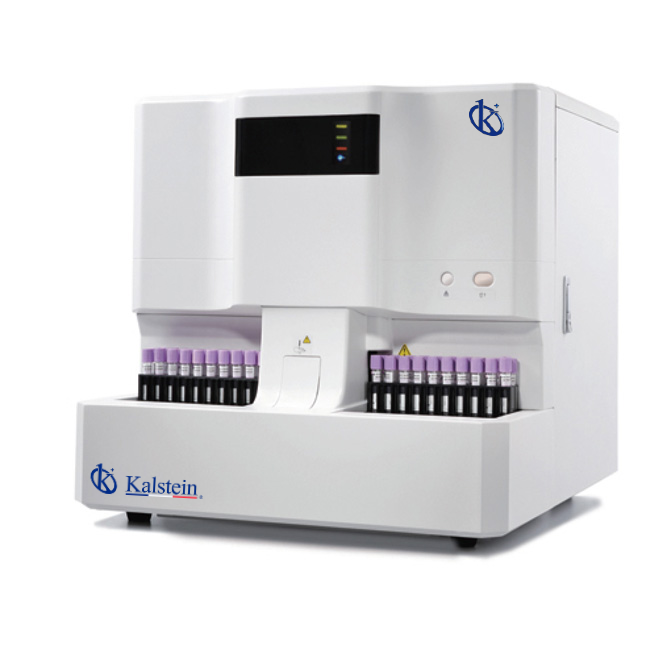
Ensuring ISO/IEC Compliance with Hematology Analyzers: A Comprehensive Guide
In today’s laboratory environment, adhering to ISO/IEC standards is not just a best practice; it’s a necessity to ensure quality and reliability in hematological analyses. As laboratories strive to meet stringent regulatory requirements, understanding how hematology analyzers contribute to compliance becomes crucial. This article delves into the models available in the hematology analyzer subcategory, focusing on their features and how they align with ISO/IEC standards, ensuring that laboratories can confidently operate within regulatory guidelines.
Understanding ISO/IEC Standards Relevant to Hematology Analyzers
The ISO/IEC standards are frameworks that ensure quality and consistency across laboratory operations. Key standards relevant to hematology analyzers include:
- ISO/IEC 17025: This standard outlines the general requirements for the competence of testing and calibration laboratories, focusing on technical proficiency and the management system.
- ISO 15189: Specific to medical laboratories, this standard covers quality and competence, emphasizing the importance of accurate test results and patient safety.
- IEC 61010: This standard ensures the safety of electrical equipment used in measurement, control, and laboratory use, vital for operating hematology analyzers safely.
Understanding these standards helps laboratories ensure that their hematology analyzers not only perform accurately but also uphold safety and quality requirements.
How Hematology Analyzers Meet ISO/IEC Compliance
Hematology analyzers are designed with features that address specific ISO/IEC requirements. For instance, models like the YR06080 and YR05123 incorporate advanced technologies such as 3D topographic mapping and laser scattering to ensure accurate white blood cell differentiation, which is crucial for compliance with ISO 15189.
Moreover, the YR05122-1 model supports rigorous quality control mechanisms that are vital for maintaining ISO/IEC 17025 compliance, ensuring that laboratories can provide reliable results consistently. These capabilities not only enhance operational efficiency but also contribute to greater regulatory adherence.
Key Features for Regulatory Compliance
When evaluating hematology analyzers for ISO/IEC compliance, consider the following features:
- Traceability: Hematology analyzers like the YR05122 offer comprehensive data management systems that track sample histories, essential for fulfilling traceability requirements in ISO standards.
- Automatic Calibration: Models such as the YR05121 feature automatic and manual calibration functions, aiding in consistent performance and compliance with established standards.
- Documentation: Effective documentation practices are a critical component of compliance, and models like the YR05120 provide robust data logging capabilities to support this requirement.
Comparison of Available Models
| Model | ISO/IEC Clauses Covered | Traceability Features | Best For |
|---|---|---|---|
| YR06080 | ISO 15189, IEC 61010 | Comprehensive data management | High-throughput laboratories |
| YR05123 | ISO 17025 | Automatic calibration and reporting | Accuracy-focused testing |
| YR05122-1 | ISO 15189, ISO 17025 | Sample tracking and logs | Clinical diagnostics |
| YR05122 | ISO 17025 | Data logging capabilities | Small to medium laboratories |
| YR05121 | ISO 15189 | Quality control functions | Routine analysis |
| YR05120 | IEC 61010 | Operational safety features | General laboratory use |
Common Mistakes and How to Avoid Them
In the journey toward achieving ISO/IEC compliance with hematology analyzers, laboratories often encounter common pitfalls. One significant mistake is underestimating the importance of staff training on regulatory standards. A lack of training can lead to improper use and calibration of analyzers, ultimately impacting the accuracy of results.
Another common issue is neglecting regular maintenance and calibration checks. This oversight can result in drift from ISO standards, putting compliance at risk. To avoid these mistakes, laboratories should establish a comprehensive training program and a strict maintenance schedule to ensure their hematology analyzers consistently meet regulatory requirements.
Innovative Technologies Supporting Compliance
Recent advancements in hematology analyzer technologies play a pivotal role in supporting ISO/IEC compliance. For example, the YR06080 utilizes cutting-edge laser scattering technology, providing precise measurements that align with the accuracy requirements of ISO standards. Additionally, the incorporation of digital connectivity features facilitates easier data management and compliance tracking, streamlining laboratory workflows.
Best Practices for Maintaining Compliance
Maintaining compliance with ISO/IEC standards requires consistent adherence to best practices. Regular internal audits are essential to identify any gaps in compliance and implement corrective actions promptly. Documenting all processes and results ensures transparency and accountability, which are fundamental aspects of regulatory compliance.
Furthermore, utilizing a digital laboratory information management system (LIMS) can greatly enhance traceability and data integrity, making it easier to comply with ISO/IEC requirements. Choosing the right hematology analyzer, such as the YR05122-1, which supports LIMS integration, can provide significant benefits in achieving compliance.
Frequently Asked Questions
How do hematology analyzers help achieve ISO 17025 compliance?
The YR05123 model is designed to support ISO 17025 compliance through its automatic calibration features and rigorous quality control functions, ensuring high accuracy in hematological analyses.
Which hematology analyzer models are best for ISO 15189 compliance?
Models such as the YR06080 and YR05122 are tailored for ISO 15189 compliance, offering advanced data management features and precise measurements to meet clinical laboratory standards.
What are the key features of hematology analyzers for regulatory compliance?
Key features include automatic calibration, comprehensive traceability, and robust data management systems. For instance, the YR05122-1 offers extensive logging capabilities essential for meeting compliance standards.
How often should hematology analyzers be calibrated to maintain compliance?
Calibration frequency can vary, but it is recommended to perform checks daily, especially for models like the YR05121, which includes automatic calibration functions to ensure consistent performance.
What documentation is necessary for ISO/IEC compliance in laboratories?
Essential documentation includes calibration records, maintenance logs, and quality control data. Utilizing the data management features of the YR06080 can streamline this process significantly.
How can laboratories ensure ongoing compliance with IEC 61010 standards?
To ensure ongoing compliance with IEC 61010, laboratories should conduct regular safety checks and maintenance on models such as the YR05120, which is designed with robust safety features to protect users.
What role does training play in achieving ISO compliance in labs?
Staff training is critical for understanding ISO compliance requirements and proper equipment use. Implementing a training program alongside the use of compliant models like the YR05123 can enhance overall laboratory performance.
How can laboratories track compliance with ISO standards effectively?
Utilizing laboratory information management systems (LIMS) helps in tracking compliance by maintaining detailed records. Models such as the YR05122-1 are equipped to support LIMS integration, thus improving tracking efficiency.
If you are looking for a fusion of innovation and quality, you have come to the right place. At Kalstein, we offer you the luxury of exploring our exclusive catalog of laboratory equipment. We manufacture every device to the highest standards of excellence. Our intuitive and seamless online purchasing channels are designed for your convenience, securing the most competitive prices. Hesitate no longer — we bring science to life, it is time to become part of our community.