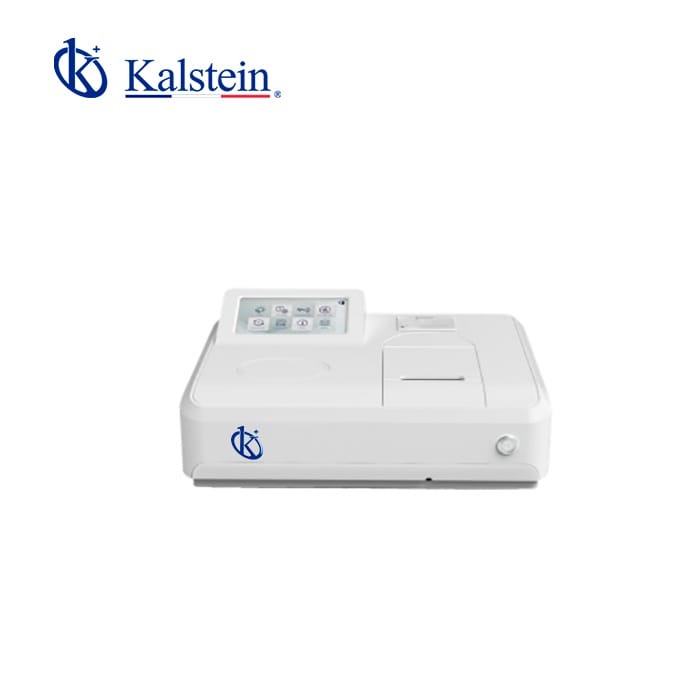
ISO/IEC Compliance in COD/BOD Analyzers: Navigating Standards and Regulatory Challenges
In laboratory settings, ensuring compliance with ISO/IEC standards is critical for maintaining quality and reliability in testing results. This article delves into the regulatory framework that governs COD (Chemical Oxygen Demand) and BOD (Biochemical Oxygen Demand) analyzers, assessing their capabilities to meet these standards. We will cover the different models available, their specifications, and how they align with the compliance requirements.
Understanding ISO/IEC Standards Applicable to COD/BOD Analyzers
ISO/IEC 17025 is the primary standard that specifies the general requirements for the competence of testing and calibration laboratories. This standard ensures that laboratories are capable of producing valid and reliable results. Compliance is essential for laboratories performing COD and BOD analyses as it provides a framework for quality management, method validation, and traceability of results.
ISO 15189, on the other hand, focuses specifically on medical laboratories but lays down principles that can be adapted to environmental testing laboratories. It emphasizes the importance of quality, technical competence, and continuous improvement in laboratory practices. Understanding these standards is crucial for laboratory personnel involved in quality assurance and accreditation processes.
Key ISO/IEC Clauses and Their Relevance
Each ISO/IEC standard has specific clauses that laboratories must adhere to ensure compliance. For instance, Clause 5 of ISO/IEC 17025 discusses the management system, which must encompass policies and procedures that ensure ongoing compliance with client requirements and regulatory demands.
Additionally, Clause 6 emphasizes the importance of resource management, which includes personnel qualifications, laboratory environment, and equipment calibration. Each COD/BOD analyzer model we discuss must meet these clauses to ensure compliance and produce accurate results.
Role of COD/BOD Analyzers in Meeting Compliance Standards
The selection of a suitable COD/BOD analyzer is pivotal for laboratories aiming to comply with ISO/IEC standards. For example, the COD Analyzer YR06295 is designed for quick and accurate measurements of Chemical Oxygen Demand across various samples. Its user-friendly interface and automatic calibration features facilitate compliance with ISO standards.
Moreover, the BOD Analyzer YR06297 offers six independent analysis channels for measuring Biochemical Oxygen Demand, ensuring that laboratories can efficiently manage multiple samples without compromising on quality. Such features play an instrumental role in meeting regulatory requirements.
Comparison of Available Models
| Model | ISO/IEC Clauses Covered | Traceability Features | Best For |
|---|---|---|---|
| YR06295 | ISO/IEC 17025, Clause 5 | Automatic calibration, integrated standard curve | Rapid COD testing in various samples |
| YR06296 | ISO/IEC 17025, Clause 6 | Customizable standard curves | Portable COD testing |
| YR06297 | ISO/IEC 17025, Clause 5 | Real-time results, data logging | High-throughput BOD testing |
| YR06298 | ISO/IEC 17025, Clause 6 | Programmable digestion parameters | Versatile laboratory setups |
Common Mistakes and How to Avoid Them
One common mistake laboratories make is inadequately documenting their processes and results, which can jeopardize compliance with ISO/IEC standards. Proper record-keeping, including calibration logs and maintenance records, is crucial for ensuring traceability and accountability.
Another frequent oversight is neglecting to regularly train personnel on the latest standards and operational protocols. Continuous education and training can help ensure that all staff members are aware of compliance requirements related to COD/BOD analysis.
Frequently Asked Questions
How can an ISO/IEC compliant COD analyzer reduce errors in testing?
Using a compliant COD analyzer like the YR06295 ensures that measurement processes follow standard protocols, thus minimizing errors. Its automatic calibration and integrated standard curves enhance accuracy, essential for meeting ISO/IEC 17025 requirements.
What features should I look for in a BOD analyzer to meet ISO standards?
When selecting a BOD analyzer, look for features like real-time data logging, multiple test channels, and compliance with ISO/IEC standards. The YR06297 model offers these features, making it ideal for consistent and reliable BOD testing.
How do I ensure my laboratory complies with ISO 17025 when using COD/BOD analyzers?
To comply with ISO 17025, ensure that your COD/BOD analyzers are calibrated regularly, and maintain thorough documentation of your procedures and results. Models like the YR06296 are designed with traceability features that assist in this compliance.
What is the average cost of ISO-compliant COD/BOD analyzers?
The average cost varies based on features and capabilities, with models like the YR06296 priced at $300. Investing in compliance-focused models ensures reliability and helps avoid future costs associated with non-compliance.
How often should I calibrate my BOD analyzer for ISO compliance?
Calibration intervals depend on usage, but a general recommendation is to calibrate your BOD analyzer, such as the YR06297, at least once a month to meet ISO standards and ensure accurate measurements.
What regulatory challenges are associated with COD analysis in laboratories?
Regulatory challenges include staying updated with compliance standards, ensuring proper documentation, and maintaining equipment. Utilizing compliant models like the YR06295 can help navigate these challenges effectively.
How do traceability features in COD analyzers support ISO compliance?
Traceability features, such as those in the YR06298 digestion instrument, support ISO compliance by providing clear records of calibration and results, essential for ensuring the accuracy and reliability of testing processes.
What should be included in the documentation for ISO compliance with BOD analyzers?
Documentation should include calibration records, test results, maintenance logs, and training certifications for personnel using BOD analyzers. This thorough documentation is vital for compliance with ISO/IEC standards.
If you are looking for a fusion of innovation and quality, you have come to the right place. At Kalstein, we offer you the luxury of exploring our exclusive catalog of laboratory equipment. We manufacture every device to the highest standards of excellence. Our intuitive and seamless online purchasing channels are designed for your convenience, securing the most competitive prices. Hesitate no longer — we bring science to life, it is time to become part of our community.