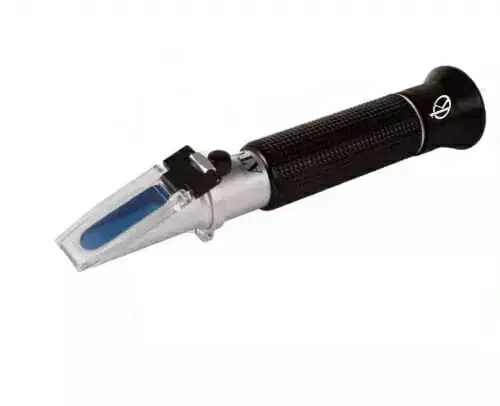
ISO/IEC Compliance and Regulatory Standards for Brix Refractometers
In the realm of laboratory analysis, particularly in the culinary, agricultural, and food production sectors, Brix refractometers serve a critical role. These devices measure the sugar content in various liquids, which is vital for ensuring product quality and compliance with industry standards. As laboratories strive to meet ISO/IEC regulations, understanding how Brix refractometers align with these requirements becomes increasingly important. This article delves into the compliance standards relevant to Brix refractometers, assessing how different models fulfill these criteria to aid laboratory professionals in making informed choices.
Understanding ISO/IEC Standards and Their Relevance
ISO/IEC standards provide frameworks that ensure products and services are safe, reliable, and of good quality. In a laboratory context, compliance with ISO/IEC standards, such as ISO 17025 for testing and calibration laboratories, is crucial. This standard outlines the requirements for a quality management system and technical competence, ensuring that laboratories produce valid results. For Brix refractometers, adherence to these standards not only enhances credibility but also improves operational efficiency.
Compliance with ISO standards also helps in maintaining accuracy and reliability in measurements, which is essential in industries like winemaking, brewing, and food processing. By aligning with ISO/IEC standards, laboratories can ensure that their Brix refractometers meet the necessary operational and safety requirements, thus avoiding potential regulatory pitfalls.
Key ISO/IEC Standards Applicable to Brix Refractometers
Several ISO/IEC standards apply to the use and calibration of Brix refractometers. Below are some of the key standards:
- ISO 17025: This standard specifies the requirements for the competence of testing and calibration laboratories. It covers aspects such as management, technical requirements, and system controls, which are essential for laboratories using Brix refractometers.
- ISO 9001: This standard focuses on quality management systems and can be integrated with ISO 17025 to ensure continuous improvement in laboratory processes.
- IEC 61010: This standard pertains to the safety requirements for electrical equipment used in measurement, control, and laboratory settings, ensuring that refractometers are safe to operate.
- IVDR: The In Vitro Diagnostic Regulation outlines requirements for diagnostic devices, which can apply to Brix measurements in health-related testing.
Impact of Compliance on Laboratory Operations
Adhering to ISO/IEC standards has a significant impact on laboratory operations. It enhances the reliability of test results, which is crucial for product quality assurance. Laboratories that utilize Brix refractometers compliant with these standards can expect to see improved efficiency, reduced errors, and increased trust from clients and regulatory bodies. Moreover, compliance often leads to faster regulatory approval processes and reduced risk of non-compliance penalties.
For example, using models like the YR05872 with its specifications meeting ISO 17025 requirements allows laboratories to ensure that their measurements are accurate and reproducible, ultimately leading to better decision-making in product development and quality control.
Comparison of Available Models
| Model | ISO/IEC Clauses Covered | Traceability Features | Best For |
|---|---|---|---|
| YR05872 | ISO 17025 | Calibration certificates, annual audits | Winemaking, fruit quality testing |
| YR05873 | ISO 17025 | Calibration logs, traceable standards | Vegetable growers, home brewing |
| YR05874 | ISO 17025 | Documentation for compliance | Food producers, sugar content analysis |
| YR05875 | IEC 61010 | Safety features, operational guidelines | Research labs, educational institutions |
| YR05876 | ISO 9001 | Quality management documentation | Quality control teams, industrial applications |
| YR05877 | IVDR | Health regulations compliance | Healthcare labs, diagnostic testing |
Common Mistakes and How to Avoid Them
Laboratory professionals often make critical mistakes concerning compliance with ISO/IEC standards when using Brix refractometers. Common errors include:
- Neglecting Calibration: Failing to regularly calibrate refractometers can lead to inaccurate readings. Ensure that models like YR05872 and YR05873 are calibrated according to the manufacturer’s recommendations and ISO requirements.
- Inadequate Documentation: Not maintaining thorough records of calibration and maintenance can jeopardize compliance. Use traceability features available in the models to document compliance properly.
- Ignoring Safety Guidelines: Not adhering to IEC 61010 safety standards could lead to accidents. Always familiarize yourself with the safety features integrated into the models.
By recognizing these common pitfalls, laboratories can enhance their compliance efforts and avoid costly setbacks in their operations.
Frequently Asked Questions
How can I ensure ISO 17025 compliance when using Brix refractometers?
To ensure ISO 17025 compliance while using Brix refractometers, laboratories should select models like YR05872 that come with calibration certificates and maintain regular audits. Implementing a robust quality management system and documenting every measurement process is also crucial for meeting ISO standards.
Which Brix refractometer is best for food quality testing?
The YR05874 Brix refractometer is ideal for food quality testing due to its compliance with ISO 17025, ensuring accurate measurements of sugar content in various food products. Its traceability features support reliable results essential for product quality assurance.
What safety standards should Brix refractometers meet in laboratories?
Brix refractometers should adhere to IEC 61010 safety standards in laboratories. Models like YR05875 are designed with safety features that prevent electrical hazards, making them suitable for laboratory environments where user safety is a priority.
How often should I calibrate my Brix refractometer for regulatory compliance?
Calibration frequency for Brix refractometers like the YR05873 typically depends on usage. However, a general recommendation is to calibrate at least once per month or before critical tests, ensuring compliance with ISO 17025 standards and maintaining accuracy in measurements.
What documentation is necessary for Brix refractometer compliance?
Necessary documentation for compliance includes calibration logs, maintenance records, and operational procedures. Models like YR05876 assist in maintaining proper documentation, which is essential for adhering to ISO 9001 and ISO 17025 standards.
How can I integrate Brix refractometers into my laboratory management system?
Integrating Brix refractometers into your laboratory management system can be achieved by using models that support connectivity protocols such as HL7 or ASTM. Implementing these integrations ensures streamlined data management and enhances compliance tracking.
Which Brix refractometers are suitable for research laboratories?
The YR05875 and YR05876 models are suitable for research laboratories as they offer robust traceability features and comply with both IEC 61010 safety standards and ISO 9001 quality management systems, making them ideal for academic and industrial research environments.
What are the benefits of using ISO-compliant Brix refractometers?
Using ISO-compliant Brix refractometers, such as the YR05872, helps ensure the accuracy and reliability of measurements, enhances laboratory efficiency, and reduces the risk of regulatory non-compliance. Compliance also supports better quality assurance practices and fosters confidence among clients.
If you are looking for a fusion of innovation and quality, you have come to the right place. At Kalstein, we offer you the luxury of exploring our exclusive catalog of laboratory equipment. We manufacture every device to the highest standards of excellence. Our intuitive and seamless online purchasing channels are designed for your convenience, securing the most competitive prices. Hesitate no longer — we bring science to life, it is time to become part of our community.