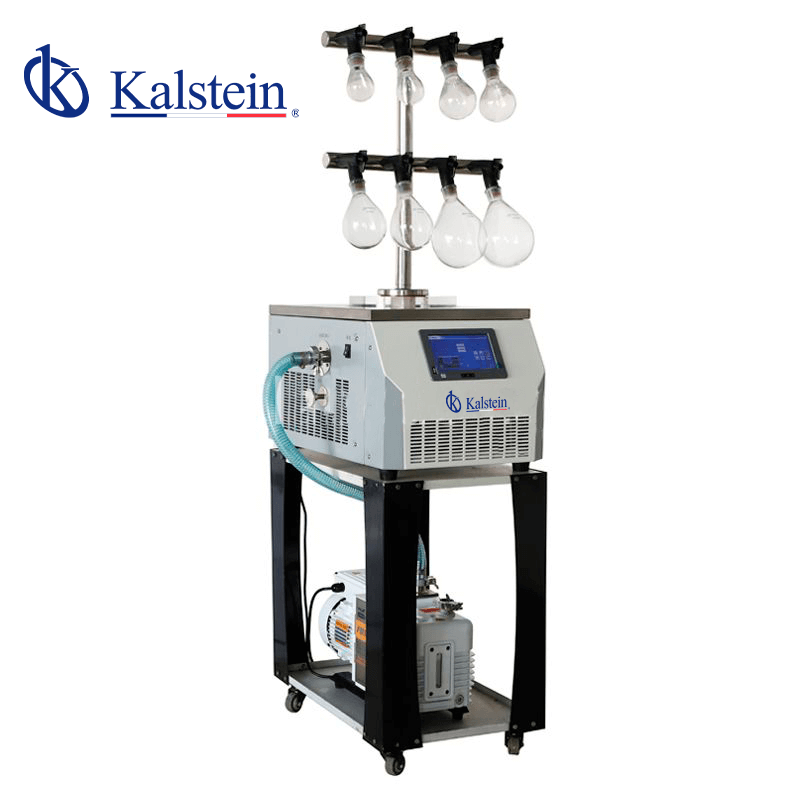
Interpreting Results and Reading Measurements with the YR05189-1 Lyophilizer
The YR05189-1 lyophilizer is a benchtop laboratory device designed for effective lyophilization processes, crucial in preserving the integrity of biological and chemical samples. Understanding how to interpret the results and readings from this advanced technology is essential for any operator in clinical, pharmaceutical, or research environments. This article delves into the specifics of reading measurements and interpreting results from the YR05189-1, ensuring optimal outcomes in your laboratory processes.
Technical Specifications of the YR05189-1
| Specification | Details |
|---|---|
| Model | YR05189-1 |
| Condenser Capacity | 3-4kg/24h |
| Condenser Temperature | -55 °C (optional -80 °C) |
| Vacuum Level | < 10 Pa |
| Sealed Rubber Valve | 24 pieces, suitable for 24 vials, customizable |
| Cooling Method | Air cooling with airflow, ambient temperature ≤25 °C |
| Voltage | 220 V, 50 Hz; 110 V, 50 Hz; 110 V, 60 Hz |
| Host Dimensions | 460*625*(370+440) mm |
| Host Weight | 41 kg |
| Power Consumption | 700W |
Understanding the Lyophilization Process
Lyophilization, or freeze-drying, is a dehydration process that involves freezing the material and then reducing the surrounding pressure to allow the frozen water in the material to sublimate directly from the solid phase to the vapor phase. The YR05189-1 utilizes this fundamental principle to preserve samples effectively. Understanding each phase of this process is crucial for interpreting the results accurately.
During the freezing phase, the temperature of the sample is lowered significantly. The subsequent primary drying phase removes about 95% of the moisture. Lastly, the secondary drying phase further reduces the moisture content, ensuring the sample is shelf-stable. Operators must monitor temperature and pressure meticulously during these phases to ensure successful outcomes.
Interpreting Measurement Readings from the YR05189-1
Effective interpretation of the readings from the YR05189-1 requires familiarity with the display interface and understanding the significance of the data presented. The device features an LCD screen that displays real-time data related to chamber temperature, condenser temperature, and vacuum pressure.
Operators should be able to read the temperature settings accurately, noting that deviations from expected values may indicate issues with the lyophilization process. Understanding how to manage these readings can significantly impact the success of the lyophilization, affecting the physical and chemical stability of samples post-process.
Common Errors and Troubleshooting Techniques
Operators may encounter various errors or irregular readings while using the YR05189-1. Recognizing these symptoms and understanding their probable causes is essential for efficient troubleshooting.
| Symptom | Probable Cause | Solution |
|---|---|---|
| Equipment does not power on | Power supply issues | Check connections and ensure the power outlet is functional. |
| Error code E-03 | Temperature sensor malfunction | Inspect the sensor and connections; recalibrate if necessary. |
| Inconsistent drying times | Improper vacuum level | Verify the vacuum seal and adjust settings as needed. |
Best Practices for Sample Preservation and Measurement
To achieve optimal results with the YR05189-1, operators should adhere to best practices for sample preservation. This includes ensuring that samples are prepared correctly before the lyophilization process begins. Proper vial sizes and sealing methods contribute to better outcomes.
It is also essential to maintain a consistent monitoring routine throughout the lyophilization process. Regular checks of temperature and vacuum levels can preemptively identify issues before they escalate into significant problems.
Sector Adaptations: Utilizing the YR05189-1 in Various Fields
The YR05189-1 lyophilizer is versatile and can be adapted for various sectors, including clinical, industrial, food, veterinary, and educational applications. Each sector may have unique protocols and requirements for utilizing the device.
- Clinical: Used for preserving biological samples, ensuring their stability for testing.
- Industrial: Useful for producing stable chemical products for long-term storage.
- Food: Preserves food products while maintaining their nutritional value.
- Veterinary: Lyophilizes vaccines and medications for animals.
- Educational: Ideal for teaching purposes in laboratory courses focused on freeze-drying technology.
Frequently Asked Questions
How do I ensure accurate measurements when using the YR05189-1?
To ensure accurate measurements, consistently monitor the temperature and vacuum levels throughout the lyophilization process. Calibration of the sensors before use is crucial, as well as adhering to recommended loading practices.
What is the recommended maintenance schedule for the YR05189-1?
Regular maintenance is essential. Perform monthly checks on seals, vacuum levels, and temperature sensors. Comprehensive servicing should be conducted annually or as stipulated by the manufacturer to ensure longevity.
Can I customize the YR05189-1 with additional features?
Yes, the YR05189-1 can be customized with optional modules and accessories. Features such as a nitrogen valve or communication interface can enhance its capabilities, depending on your specific needs.
What types of samples are best suited for lyophilization using the YR05189-1?
The YR05189-1 is suitable for a wide range of samples, including biological materials, chemicals, and food products. However, it's best to consult the user manual for specific recommendations regarding sample preparation and compatibility.
How can I interpret error messages displayed on the YR05189-1?
Refer to the user manual for a detailed explanation of error codes. Understanding the meaning of each error message can help you troubleshoot effectively and restore optimal functionality.
What should I do if the readings from the YR05189-1 seem inconsistent?
Check the calibration of the temperature and pressure sensors, as well as the functionality of the cooling system. Inconsistent readings can often stem from sensor malfunctions or improper vacuum levels.
Where can I request a quote for the YR05189-1?
You can request a quote for the YR05189-1 through your local supplier or directly from us for the best pricing and options available.
If you are looking for a fusion of innovation and quality, you have come to the right place. At Kalstein, we offer you the luxury of exploring our exclusive catalog of laboratory equipment. We manufacture every device to the highest standards of excellence. Our intuitive and seamless online purchasing channels are designed for your convenience, securing the most competitive prices. Hesitate no longer — we bring science to life, it is time to become part of our community.