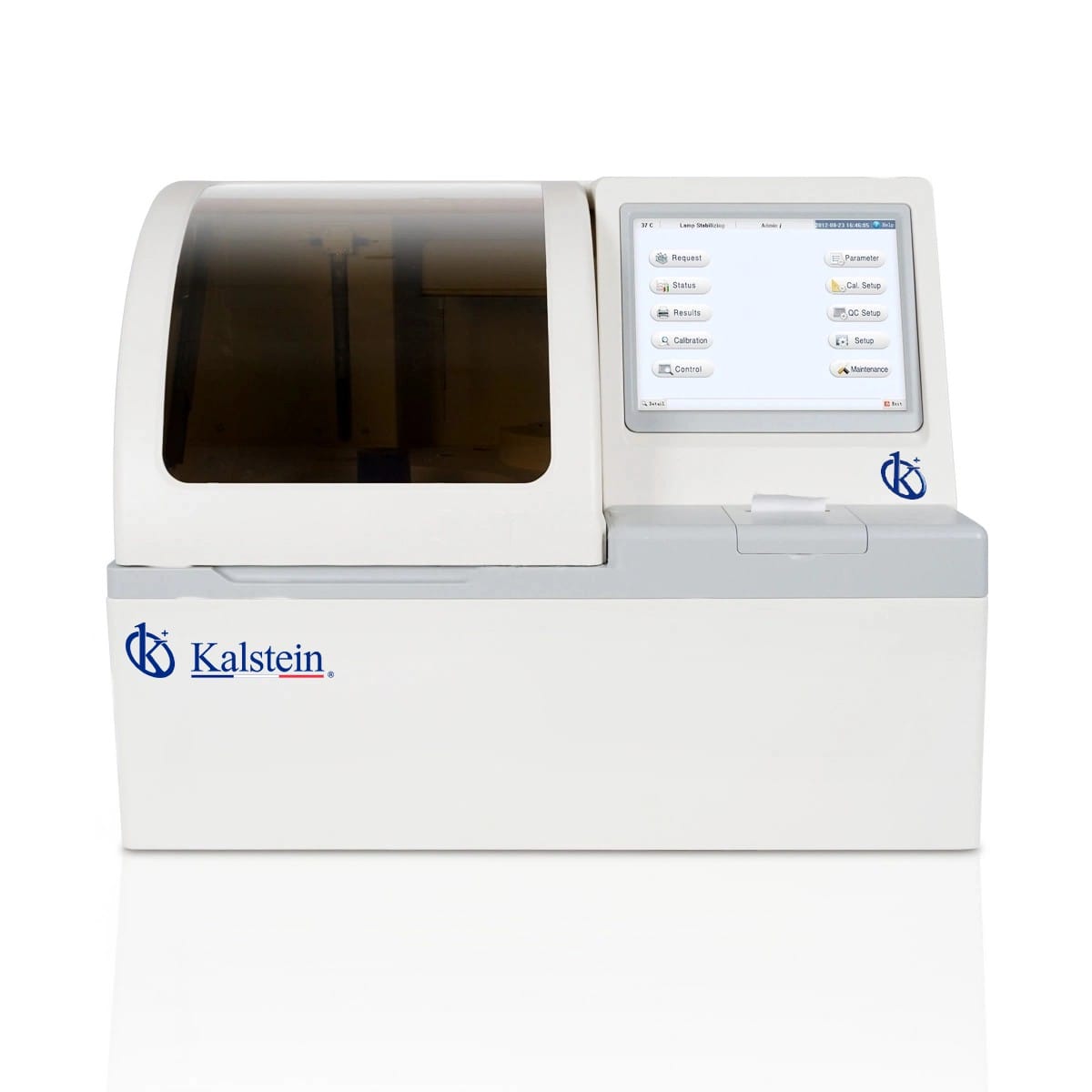
Interpreting Results and Reading Measurements with the YR06168 Automatic Veterinary Chemistry Analyzer
The YR06168 Automatic Veterinary Chemistry Analyzer is a sophisticated tool designed for precise and efficient analysis in veterinary diagnostics. Understanding how to interpret results and read measurements accurately is crucial for maximizing the analyzer's potential in practical applications. This article delves into the various aspects of result interpretation and measurement reading relevant to the YR06168, emphasizing best practices and common pitfalls to avoid.
Understanding the YR06168: Key Features and Specifications
| Feature | Specification |
|---|---|
| Model | YR06168 |
| Reagent Volume | R1: 180-450uL, 0.1uL adjustable; R2: 3-250uL, 0.1uL adjustable |
| Reaction Position | 90 cuvettes, 10 cuvettes per strip |
| Cuvette | Optical path length of 5mm |
| Reaction Volume | 180-500 uL |
| Reaction Temperature | 37°C |
| Lamp | Halogen lamp |
| Absorbance Range | 0-3.500Abs |
| Wavelengths | 8 wavelengths from 340-700 nm |
| Resolution | 0.0001Abs |
| Power Supply | DC 110V/220V, 50HZ/60Hz |
| Dimensions | 630*480*510 mm |
| Net Weight | 70kg |
| Sample Volume | 3~45uL, 0.1uL adjustable |
| Reagent Positions | 26 |
| Cooled Temperature | 4-15°C |
Interpreting Results: Parameters and Normal Ranges
The ability to accurately interpret results from the YR06168 is pivotal for effective veterinary diagnostics. This section covers the critical parameters analyzed, including the normal ranges for various assays and how to assess results against these benchmarks.
Common parameters measured include biochemical markers like glucose, enzymes, electrolytes, and proteins. Each parameter has a defined normal range, which varies depending on the species and age of the animal. It is essential for operators to familiarize themselves with these ranges to make informed clinical decisions.
For instance, a glucose level outside the normal range may indicate conditions such as diabetes mellitus or stress in canines. Similarly, elevated liver enzymes could signal hepatic issues. The YR06168 provides clear readouts, and operators should be trained in recognizing these outputs and correlating them with clinical findings.
Common Misinterpretations in Measurement Reading
Misinterpretations can lead to incorrect diagnoses and treatments. Operators often misread measurements due to a lack of familiarity with the display or understanding the context of results.
One common mistake is not accounting for sample dilution when interpreting results. For example, if a sample has been diluted for assay purposes, the results must be adjusted accordingly to reflect actual values. Furthermore, it's crucial to understand that assays may yield false positives or negatives under certain conditions; therefore, repeat testing or supplemental testing may be needed for confirmation.
Reading the Display and Printout
The YR06168 features a user-friendly interface that presents results in a clear and systematic manner. Operators should be proficient in navigating the display to access various results, including current measurements, historical data, and assay summaries.
Printouts from the YR06168 are comprehensive; they typically include the sample ID, test date, technician details, and a summary of results compared against normal ranges. Understanding how to read these printouts can enhance the interpretation of results.
Working with Error Bars and Quality Control
Quality control is vital when operating the YR06168. Regular calibration and maintenance ensure the accuracy of readings. Error bars are often presented in the results, indicating the potential variability in measurements.
Operators must understand how to interpret these error bars, which can reflect inherent variability in the assay process or operational errors. Implementing routine quality control measures, including control samples, can help minimize errors and ensure reliable data.
Examples of Result Interpretation
Interpreting results effectively requires practical examples. For instance, if a serum biochemistry panel shows elevated creatinine levels, the operator must consider possible underlying conditions such as acute kidney injury, chronic renal failure, or dehydration.
Another example is analyzing liver function tests. If a patient displays elevated alanine aminotransferase (ALT) levels, it may indicate hepatocellular damage. The operator should correlate these findings with clinical signs such as jaundice or vomiting for a comprehensive assessment.
Frequently Asked Questions
What is the significance of the normal ranges displayed by the YR06168?
The normal ranges displayed by the YR06168 are critical benchmarks that help veterinarians assess the health status of the animal. Deviations from these ranges can indicate potential health issues that may require further investigation.
How should I respond to inconsistent readings from the YR06168?
If you encounter inconsistent readings, it is advisable to first check the calibration and quality control procedures. Ensure that the reagents used are within their expiration dates and that the samples were handled correctly.
Can I customize the parameters analyzed by the YR06168?
Yes, the YR06168 allows for customization of animal settings and parameters analyzed. Users can define an unlimited number of animal configurations to meet specific diagnostic needs.
What are the common causes of error codes on the YR06168?
Error codes may arise from various issues, including reagent misalignment, sample contamination, or technical malfunctions. Refer to the user manual for specific error code definitions and troubleshooting steps.
How often should I perform maintenance on the YR06168?
Routine maintenance should be performed according to the manufacturer's recommendations, typically involving regular cleaning, calibration, and software updates to ensure optimal performance.
What is the best way to educate staff on using the YR06168?
Comprehensive training should involve hands-on sessions, understanding the software interface, and interpreting results. Additionally, ongoing education sessions can reinforce best practices and updates on new features.
How can I request a quote for the YR06168?
You can easily request a quote for the YR06168 by reaching out to our sales team through the contact options available on the platform, ensuring you receive the best pricing and options tailored to your needs.
If you are looking for a fusion of innovation and quality, you have come to the right place. At Kalstein, we offer you the luxury of exploring our exclusive catalog of laboratory equipment. We manufacture every device to the highest standards of excellence. Our intuitive and seamless online purchasing channels are designed for your convenience, securing the most competitive prices. Hesitate no longer — we bring science to life, it is time to become part of our community.