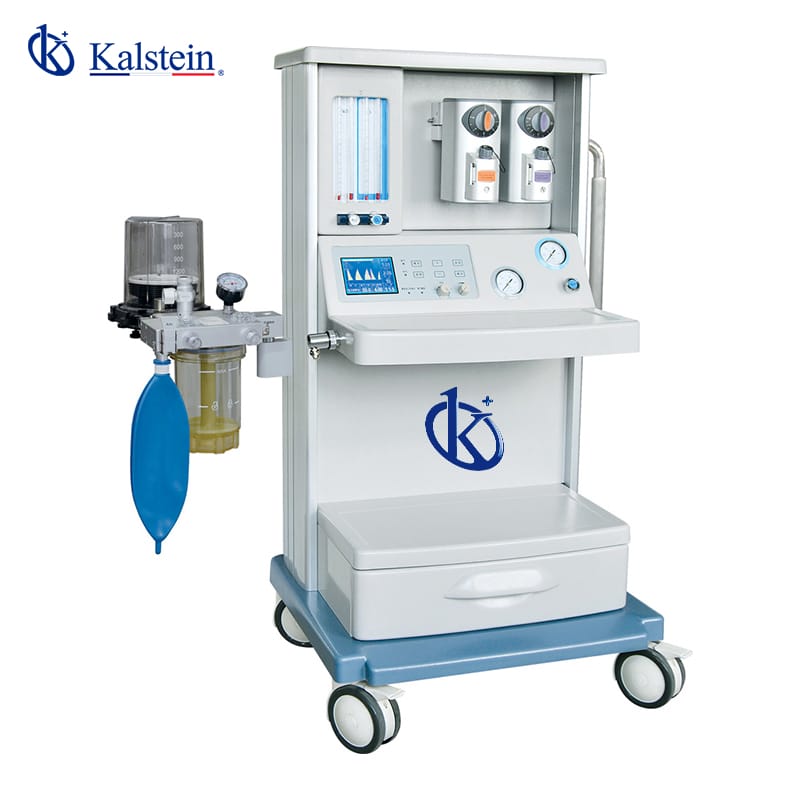
Interpreting Results and Reading Measurements on the YR02197 Anesthesia Machine
The YR02197 Anesthesia Machine is a pivotal tool in both clinical and surgical environments. This advanced device not only facilitates the administration of anesthetic agents but also provides critical data related to patient ventilation and anesthesia delivery. Understanding how to interpret results and read measurements from the YR02197 is essential for ensuring patient safety and effective anesthesia management.
Technical Overview of the YR02197
| Model | YR02197 | YR02062 | YR02063 |
|---|---|---|---|
| Display Screen | LCD 5.4" | LCD 10.4" | LCD 10.1" |
| Flowmeters Tube | 4-Tube O2, N2O | 6-Tube O2, N2O, AIR | 4-Tube O2, N2O |
| Vaporizer | 1 Enflurane/Isoflurane/Sevoflurane (Optional: Halothane) | 2 Enflurane/Isoflurane/Sevoflurane (Optional: Halothane) | 1 Enflurane/Isoflurane/Sevoflurane (Optional: Halothane) |
| Respiration | A/C, IPPV, SIPPV, IMV, SIMV, MANUAL | IPPV, SIGH, SIMV/F/2, PEEP, SIPPV | VCV/SIMV/Manual/STAND-BY |
| Tidal Volume Range | 50~1500ml | 30~1500ml | 20~1500ml |
| I/E Ratio | 4:1~1:10 | 3:1~1:4 Adjustable | 8:1~1:10 |
Understanding Measurement Parameters
The YR02197 Anesthesia Machine provides various critical parameters that practitioners must understand for proper operation. Key measurements include:
- Oxygen Flow Rate: This indicates the amount of oxygen supplied to the patient. It is crucial to monitor this to ensure adequate oxygenation during anesthesia.
- Tidal Volume: The YR02197 can deliver tidal volumes ranging from 50 to 1500 ml, essential for adapting to patient needs, especially in pediatrics and adults.
- I/E Ratio: This reflects the ratio of inhalation to exhalation and is vital for maintaining proper ventilation. The typical range is from 4:1 to 1:10, depending on the patient's condition.
Common Misinterpretations of Measurements
Interpreting the measurements displayed by the YR02197 can sometimes lead to confusion. Here are some common misinterpretations:
- Assuming Steady Readings Indicate Stability: Fluctuations in readings can indicate a change in patient status or equipment malfunction, necessitating immediate reassessment.
- Overlooking Calibration Needs: Regular calibration is crucial. Operators should check that measurements align with known standards to ensure accuracy.
- Ignoring Alarm Parameters: The YR02197 includes alarm settings for various parameters. Ignoring these alerts can compromise patient safety.
Best Practices for Reading Measurements
To accurately read the measurements on the YR02197, practitioners should follow these best practices:
- Regular Training: Staff should undergo continuous training to stay current with the functionalities and features of the YR02197.
- Utilize Available Documentation: Reference the user manual and technical documentation to understand the meaning and implications of each measurement displayed.
- Double-Check Critical Readings: For critical values, take additional measurements or consult with co-workers to validate the readings before proceeding with anesthesia administration.
Case Study: Anesthesia Administration with YR02197
Consider a clinical scenario where the YR02197 is used for a pediatric patient undergoing surgery. By monitoring the tidal volume and oxygen flow rate, the anesthesiologist can make immediate adjustments to ensure the child's safety. For instance, if the tidal volume is lower than expected, the practitioner can quickly adjust the settings to compensate.
Frequently Asked Questions
How do I calibrate the YR02197 for accurate measurements?
Calibration of the YR02197 involves following the manufacturer’s guidelines, which typically include using a standard gas mixture and verifying the flow and pressure readings against known values. Regular checks are necessary to maintain measurement accuracy.
What should I do if I encounter error codes while using the YR02197?
Error codes can indicate various issues, from calibration errors to equipment malfunctions. Consult the user manual for troubleshooting steps specific to each error code, and ensure regular maintenance checks are conducted.
Can the YR02197 be used for both adults and children?
Yes, the YR02197 is designed to accommodate both adult and pediatric patients, with adjustable settings for tidal volume and flow rates, ensuring it meets the varied needs of different patient populations.
What are the key safety features of the YR02197?
The YR02197 includes alarm indicators for various parameters such as low oxygen flow, high pressure, and other critical measurements. These alarms serve as vital safety features to alert operators and prevent potential risks during surgery.
How can I ensure proper maintenance of the YR02197?
Regular maintenance involves cleaning, calibration, and checking all components for wear. Following the service schedule outlined in the user manual and conducting routine checks are essential for ensuring longevity and reliability.
What is the significance of monitoring the I/E ratio on the YR02197?
The I/E ratio is crucial for managing ventilation effectively, especially in patients with compromised respiratory function. Understanding and monitoring this ratio helps in adjusting the ventilation strategy based on patient needs.
What accessories are recommended for the YR02197?
Recommended accessories for the YR02197 include various vaporizers compatible with anesthetic agents, monitoring systems to track patient vitals, and appropriate breathing circuits to ensure optimal delivery of gases during procedures.
If you are looking for a fusion of innovation and quality, you have come to the right place. At Kalstein, we offer you the luxury of exploring our exclusive catalog of laboratory equipment. We manufacture every device to the highest standards of excellence. Our intuitive and seamless online purchasing channels are designed for your convenience, securing the most competitive prices. Hesitate no longer — we bring science to life, it is time to become part of our community.