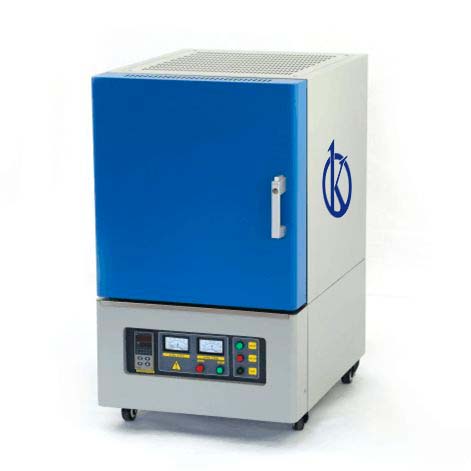
Interpreting Measurements and Results with the YR05281 High Temperature Box Muffle Furnace
The YR05281 High Temperature Box Muffle Furnace is a powerful tool designed for various laboratory applications, including material annealing, quality testing, and composition analysis. Understanding how to interpret the results and measurements from this furnace ensures accuracy and reliability in laboratory processes. This article explores the specifications, operational principles, and best practices for utilizing the YR05281 effectively.
Understanding the YR05281 High Temperature Box Muffle Furnace
The YR05281 is a high-performance muffle furnace featuring a maximum temperature of 1700°C. This furnace utilizes a dual-layer carbon steel casing, a high-purity alumina fiber insulation, and a PID control system with 30 programmable segments. It is designed specifically for tasks that require precise thermal processing and rapid cooling.
Technical Specifications of the YR05281
| Model | Chamber Size (DxWxH) (cm) | Capacity | Max Temperature | Continuous Operating Temperature | Thermocouple Type | Working Voltage | Max Power | Weight |
|---|---|---|---|---|---|---|---|---|
| YR05281 | 10x10x10 | 1 | 1700°C | ≤1600°C | Type B | 220-380V | 1-16KW | 66kg |
Principles of Operation for Accurate Measurements
The YR05281 operates on basic thermodynamic principles. The design allows for controlled and uniform heating, which is crucial for achieving consistent results in material processing. The furnace's PID (Proportional-Integral-Derivative) control system ensures that temperatures are maintained accurately by adjusting the power supply to the heating elements based on feedback from the thermocouple.
When interpreting the results from this furnace, it is essential to understand how changes in temperature can affect the physical and chemical properties of the materials being tested. For instance, high temperatures may cause certain materials to react chemically, while others may simply undergo physical changes such as melting or expansion.
Methods for Result Interpretation
Result interpretation using the YR05281 requires careful consideration of several factors, including the material being tested, the temperature at which it was processed, and the expected outcomes of those processes. Laboratory personnel must be well-versed in the properties of the materials to make accurate assessments of the results.
Common methods for interpreting results include comparing the measurement data against known standards, performing repeat tests to establish consistency, and using statistical analysis to evaluate the reliability of the results obtained.
Common Misinterpretations and How to Avoid Them
Laboratories often face challenges when interpreting results from high temperature processes. One common misinterpretation is assuming that a higher temperature equates to a better quality result. In reality, excessive high temperatures may lead to degradation of certain materials or unintended chemical reactions.
To avoid misinterpretations, it is essential to maintain a detailed record of processing times, temperatures, and the specific material properties. Additionally, cross-referencing results with standards or conducting comparative studies can help in validating the findings.
Site Requirements for Optimal Performance
Proper environmental conditions are crucial for the YR05281 to perform optimally. The furnace should be placed in a well-ventilated area to avoid overheating and ensure safety. The operating voltage should match the specifications, and a stable power supply is necessary to prevent fluctuations that can affect measurements.
Frequently Asked Questions
What types of materials can be processed in the YR05281?
The YR05281 can process a wide range of materials including metals, ceramics, and glass. It is ideal for applications such as sintering, annealing, and quality testing of various components.
How do I calibrate the YR05281 for accurate measurements?
Calibration involves setting the thermocouple and ensuring the furnace's PID controller is correctly tuned. Regular calibration checks should be performed against standard reference materials to maintain measurement accuracy.
What safety features does the YR05281 include?
The YR05281 includes safety interlocks that automatically shut down the furnace when the door is opened. Additionally, it has a dual-layer structure to prevent excessive external heat and a cooling fan to enhance safety during operations.
How can I ensure consistent results when using the YR05281?
To ensure consistency, operators should follow standardized operating procedures for each material type, maintain accurate temperature records, and perform routine maintenance and calibrations on the furnace.
What precautions should be taken when interpreting results from the YR05281?
Operators should be aware of the potential for material changes at high temperatures and utilize control samples to compare the results. It is also important to consult relevant material safety data sheets (MSDS) for information on the thermal properties of the materials being tested.
Can the YR05281 be customized with additional features or accessories?
Yes, the YR05281 can be customized with various options such as different chamber sizes, a touch screen LCD for easier control, and software for connecting to computers for advanced data logging and analysis.
If you are looking for a fusion of innovation and quality, you have come to the right place. At Kalstein, we offer you the luxury of exploring our exclusive catalog of laboratory equipment. We manufacture every device to the highest standards of excellence. Our intuitive and seamless online purchasing channels are designed for your convenience, securing the most competitive prices. Hesitate no longer — we bring science to life, it is time to become part of our community.