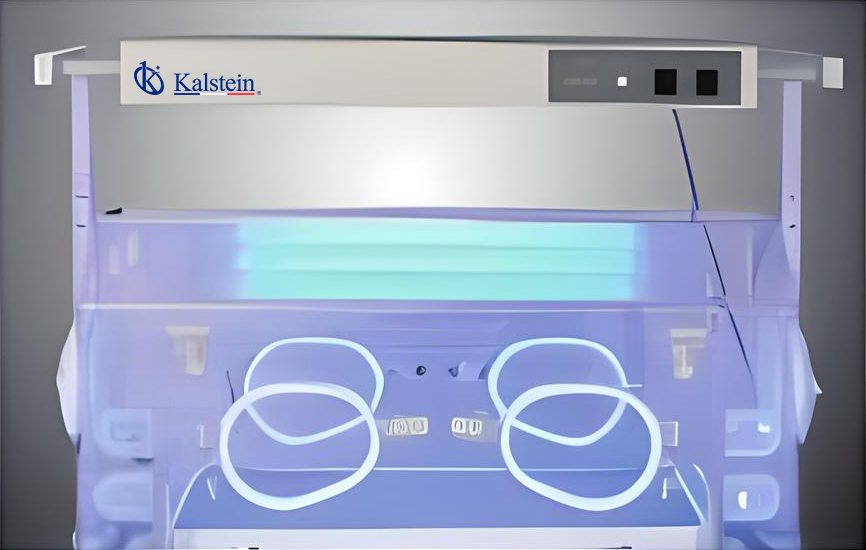
How to Interpret Results and Read Measurements with the YR06219 Infant Phototherapy Unit
The YR06219 Infant Phototherapy Unit represents a significant advancement in the treatment of neonatal jaundice. Effective interpretation of results and measurements is crucial for healthcare professionals involved in neonatal care. This article provides a detailed exploration of the YR06219's functionalities, focusing on how to accurately read measurements and interpret results.
Understanding the YR06219 Phototherapy Unit
The YR06219 model is designed with precision and efficiency in mind, offering a range of features that enhance diagnostic capabilities. With its LED light source and programmable system controller, this unit allows for precise control over treatment intensity, making it suitable for varied clinical scenarios.
Technical Specifications of the YR06219
| Feature | Specification |
|---|---|
| Model | YR06219 |
| Input Power | <150VA |
| Light Source | Blue tube |
| Light Source Effective Life | 1000 hours |
| Wavelength | 400-550 nm |
| Irradiance Treatment Distance | 10~500px |
| Effective Area | 1125px×600px |
| Infrared Radiation in Effective Area | ≤10mW/cm2 (760nm<λ≤1400nm) |
| Ultraviolet Radiation in Effective Area | ≤1.0×10⁻⁵mW/cm2 (180nm<λ≤400nm) |
| Operate Noise | ≤55dB(A) (ambient noise is lower than 40dB(A)) |
| Basic Performance | ≥500μW/cm2 |
Interpreting Measurement Readings
The YR06219 features a clear LCD display that shows accumulated operating time and current time. Understanding how to read these measurements is pivotal for ensuring effective treatment. The light intensity and exposure duration are critical parameters to monitor during phototherapy sessions.
To effectively interpret results, it is essential to understand the normal ranges for bilirubin levels in infants and how they relate to the phototherapy being administered. Typically, higher bilirubin levels indicate a need for increased phototherapy duration.
Common Misinterpretations of Results
Healthcare providers must be aware of common misinterpretations when reading measurements from the YR06219. For instance, assuming that a single reading is representative of the entire treatment could lead to inadequate care. Regular monitoring and understanding the trends over time are necessary for effective treatment decisions.
Best Practices for Reading Measurements
When using the YR06219, adhere to the following best practices for reading measurements:
- Regularly calibrate the unit to ensure accurate readings.
- Document all measurements, including time and intensity settings.
- Compare current readings with previous data to identify trends.
- Ensure that the infant is positioned correctly to receive optimal exposure.
Frequently Asked Questions
What is the function of the YR06219's LCD screen?
The LCD screen on the YR06219 displays the accumulated operating time and the current time, allowing operators to monitor usage efficiently. This feature is critical for maintaining treatment schedules and ensuring proper usage duration.
How can I accurately measure bilirubin levels during phototherapy?
To accurately measure bilirubin levels, blood tests are typically conducted at regular intervals. The results should be compared with the treatment provided by the YR06219 to assess the effectiveness of the therapy.
What should I do if the display shows inconsistent readings?
If the YR06219 shows inconsistent readings, first check the calibration of the device. Refer to the user manual for troubleshooting steps, and if the issue persists, contact a technical expert for assistance.
How does the programmable system controller work?
The programmable system controller enables users to adjust different light intensities based on treatment requirements. This flexibility allows clinicians to tailor phototherapy sessions to the specific needs of each infant.
What are the potential side effects of phototherapy?
While phototherapy is generally safe, potential side effects can include dehydration, changes in skin temperature, and rash. It is essential to monitor infants closely during treatment to mitigate any adverse effects.
How often should I replace the light source in the YR06219?
The light source in the YR06219 should be replaced after 1000 hours of use to maintain optimal performance. Regular maintenance checks can help ensure the unit operates efficiently.
Can the YR06219 be used in different clinical settings?
Yes, the YR06219 is versatile and can be used in various clinical settings, including hospitals, outpatient clinics, and specialized neonatal care units. Its design accommodates the needs of diverse medical environments.
If you are looking for a fusion of innovation and quality, you have come to the right place. At Kalstein, we offer you the luxury of exploring our exclusive catalog of laboratory equipment. We manufacture every device to the highest standards of excellence. Our intuitive and seamless online purchasing channels are designed for your convenience, securing the most competitive prices. Hesitate no longer — we bring science to life, it is time to become part of our community.