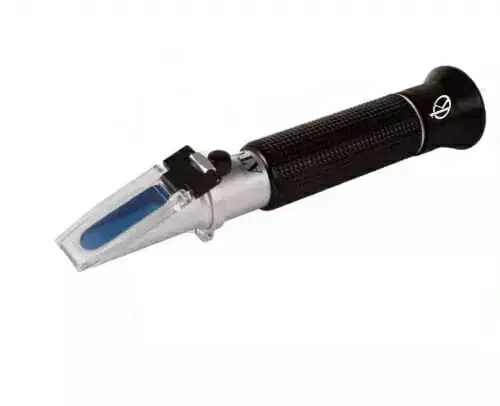
How to Interpret Results and Read Measurements with the YR05874 Refractometer
The YR05874 Brix Refractometer is an invaluable tool for professionals in various fields, including viticulture, food production, and brewing. Understanding how to accurately interpret the measurements obtained from this refractometer can significantly enhance the quality of analysis and decision-making in your operations. This guide will delve into the specifics of using the YR05874, focusing on the interpretation of results and best practices for reading measurements.
Understanding the Brix Measurement
Brix is a unit of measurement that quantifies the sugar content in an aqueous solution. It specifically indicates the grams of sucrose in 100 grams of solution. The YR05874 refractometer measures the refractive index of the solution, which correlates directly with the sugar concentration. This relationship allows operators to derive the Brix value effectively.
For example, a reading of 10 Brix means there are 10 grams of sugar in 100 grams of juice. As such, accurate interpretation requires a strong understanding of what these values represent in practical terms, such as the sweetness of grapes or the concentration of syrup.
Key Features of the YR05874 Refractometer
| Feature | Description |
|---|---|
| Model | YR05874 |
| Measurement Range | 0-18% Brix |
| Minimum Division | 0.1% Brix |
| Accuracy | ± 0.10% Brix |
| ATC | Yes |
| Material | Pure Aluminum |
Interpreting Measurement Readings
When you obtain a reading from the YR05874, it is crucial to interpret this data correctly. The measurement is typically displayed on the device's scale. To ensure accuracy:
- **Ensure Proper Calibration**: Before taking measurements, calibrate the device using distilled water to set a baseline reading of 0 Brix.
- **Temperature Considerations**: The YR05874 features Automatic Temperature Compensation (ATC), which adjusts readings based on the temperature of the liquid. Always ensure that the temperature is within the recommended range (10-30°C) to guarantee reliable results.
- **Consistent Sample Handling**: Avoid bubbles and ensure that the sample is well-mixed for an accurate reading. Any inconsistency in the sample can lead to erroneous results.
Common Misinterpretations
While interpreting results, several common misinterpretations can occur:
- **Assuming Brix Equals Sugar Content**: Brix does not equal sugar content in all cases, especially with different fruit juices that may contain various dissolved solids.
- **Ignoring Temperature Effects**: Failing to account for temperature changes can introduce significant errors in readings since sugar concentration may vary with temperature.
- **Overlooking Dilution Effects**: Diluting a sample can drastically alter Brix measurements. It's essential to measure the concentration of the original sample.
Practical Examples of Brix Interpretation
To solidify understanding, let's explore a few examples:
- Example 1: A grape juice sample measures 12 Brix. This indicates a moderate sugar level, suitable for making table wine.
- Example 2: If an apple juice reads 8 Brix, the operator may consider adding more sugar to enhance sweetness before bottling.
Best Practices for Using the YR05874 Refractometer
To maximize the effectiveness of the YR05874, consider the following best practices:
- **Routine Calibration**: Calibrate regularly to maintain the accuracy of measurements.
- **Clean the Prism**: After each use, clean the prism with distilled water to avoid cross-contamination between samples.
- **Record Data Systematically**: Maintain a log of measurements, including the sample type and environmental conditions, to track trends over time.
Frequently Asked Questions
What is the significance of Brix measurements in viticulture using the YR05874?
Brix measurements are significant in viticulture as they provide insight into the sugar content of grapes, which is crucial for determining the right time for harvest. A higher Brix value typically indicates ripeness, which is essential for quality wine production.
How does temperature affect the readings from the YR05874?
Temperature affects the refractive index of liquids. The YR05874 employs Automatic Temperature Compensation (ATC) to adjust the reading based on the sample's temperature, typically ensuring accuracy within the 10-30°C range. Neglecting temperature adjustments can lead to misleading Brix values.
Can the YR05874 be used for other liquids apart from fruit juices?
Yes, the YR05874 can be used for various liquids, including syrups and other aqueous solutions, as long as they fall within the device's measurement range. Adjustments may be needed for different liquids due to variations in dissolved solids.
What maintenance does the YR05874 require for optimal performance?
Regular calibration, cleaning of the prism, and proper storage are essential maintenance practices for the YR05874. This ensures longevity and accuracy of the readings. Avoid exposing the device to extreme temperatures or humidity.
What are the limitations of using the YR05874 for Brix measurement?
Limitations include its specific measurement range (0-18% Brix) and the influence of other dissolved solids that can affect readings. It may not provide accurate results for highly concentrated solutions outside this range.
How do I perform a calibration of the YR05874?
Calibration involves using distilled water at a temperature between 10-30°C to set a baseline reading of 0 Brix. Ensure the refractometer is clean and dry before calibration, and follow the manufacturer’s instructions for precise calibration steps.
What should I do if I receive inconsistent readings from the YR05874?
If inconsistent readings occur, check for sample bubbles, ensure proper calibration, and confirm the temperature is within the recommended range. Additionally, inspect the prism for cleanliness to eliminate contamination effects.
If you are looking for a fusion of innovation and quality, you have come to the right place. At Kalstein, we offer you the luxury of exploring our exclusive catalog of laboratory equipment. We manufacture every device to the highest standards of excellence. Our intuitive and seamless online purchasing channels are designed for your convenience, securing the most competitive prices. Hesitate no longer — we bring science to life, it is time to become part of our community.