Integrating Multi-Angle Spectrophotometers with LIMS: Data Flow Digitalization
As laboratories continue to evolve, the integration of multi-angle spectrophotometers with Laboratory Information Management Systems (LIMS) has become a focal point for enhancing data flow digitalization. Multi-angle spectrophotometers offer unique capabilities for color measurement and analysis, which, when combined with LIMS, facilitates seamless data management, improves accuracy, and enhances overall laboratory efficiency.
Understanding Multi-Angle Spectrophotometers
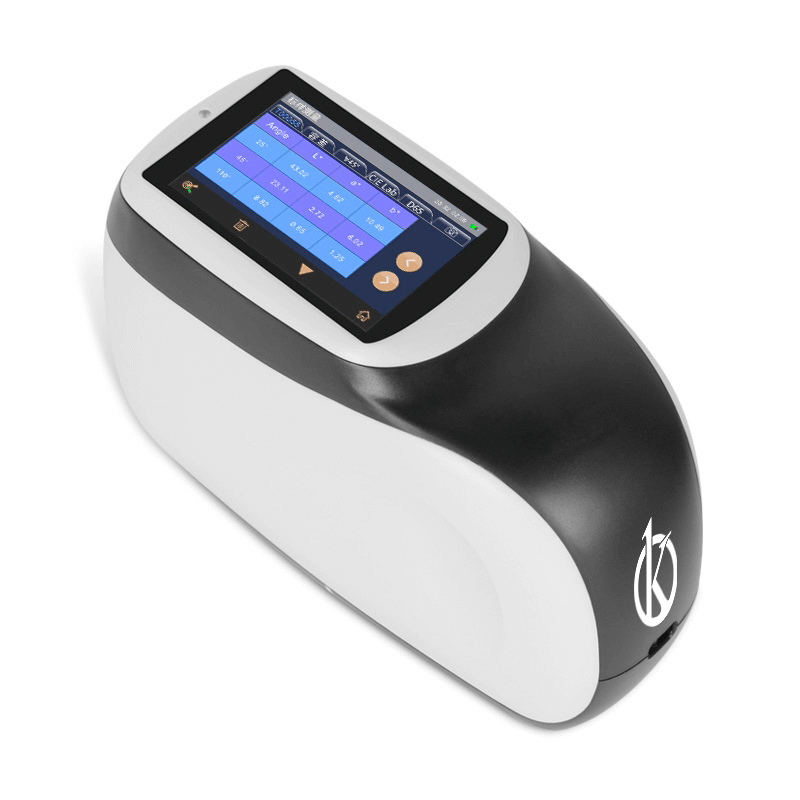
Multi-angle spectrophotometers, such as the YR05491 and YR05492, play a crucial role in color analysis, particularly in industries like paint manufacturing, textiles, and coatings. These devices measure the reflection and transmission of light at various angles, which helps in accurately assessing color differences and properties. The YR05491 model, for instance, is best suited for applications requiring precision in chromatic aberration measurement, while the YR05492 extends this capability with additional angles and sources for illumination.
Importance of LIMS Integration in Laboratories
The integration of multi-angle spectrophotometers with LIMS is essential for managing the vast amount of data generated in laboratory settings. LIMS facilitate the organization, storage, and retrieval of data, ensuring compliance with relevant standards and improving traceability. By streamlining data management processes, laboratories can achieve better productivity and reduce the chances of errors.
Key Features of Multi-Angle Spectrophotometers Supporting LIMS Integration
Several features of multi-angle spectrophotometers enhance their integration with LIMS, including:
- Data Connectivity: Models like YR05491 and YR05492 support various communication protocols, making them compatible with LIMS.
- Measurement Accuracy: High precision in color measurement ensures that data recorded in LIMS is reliable and valid.
- Standard Compliance: Compliance with ASTM and ISO standards assures that the data generated can be used for quality control and regulatory submissions.
The Process of Integrating Multi-Angle Spectrophotometers with LIMS
Integrating multi-angle spectrophotometers with LIMS typically involves several steps:
- Assessment of Laboratory Needs: Determine the specific requirements for data management and integration.
- Choosing Compatible Models: Select models like the YR05491 and YR05492 based on desired measurement capabilities and LIMS compatibility.
- Configuration of Systems: Set up communication protocols and ensure that data formats align between the spectrophotometer and LIMS.
- Testing and Validation: Conduct tests to ensure data accuracy and reliability post-integration.
Comparison of Available Models
| Model | Measurement Geometry | Number of Angles | Price (USD) | Best for |
|---|---|---|---|---|
| YR05491 | 8 angles (6 light sources) | 8 | 8730.00 | High precision color measurement |
| YR05492 | 12 angles (7 light sources) | 12 | 13492.00 | Advanced chromatic analysis |
| YR05488 | 3 angles (3 light sources) | 3 | 2857.00 | Basic color difference measurement |
| YR05489 | 5 angles (5 light sources) | 5 | 4762.00 | Standard chromatic evaluation |
| YR05490 | 3 angles (3 light sources) | 3 | 6032.00 | Compact color analysis solutions |
Common Mistakes and How to Avoid Them
When integrating multi-angle spectrophotometers with LIMS, laboratories often encounter common pitfalls:
- Inadequate System Compatibility: Always ensure that the spectrophotometer model supports the necessary data protocols for seamless integration.
- Poor Training: Staff training on both the spectrophotometer and LIMS is crucial to avoid data entry errors and misinterpretation of results.
- Neglecting Compliance Standards: Verify that both systems adhere to relevant industry standards to ensure data validity.
Benefits of Data Flow Digitalization through LIMS
Digitalizing data flow through LIMS offers several advantages for laboratories utilizing multi-angle spectrophotometers:
- Increased Efficiency: Automating data entry and management minimizes time spent on manual processes.
- Improved Data Accuracy: Reducing the likelihood of human error enhances the reliability of results.
- Enhanced Reporting: LIMS capabilities allow for comprehensive reporting and analysis, aiding decision-making processes.
Future Trends in Multi-Angle Spectrophotometry and LIMS Integration
Looking ahead, the integration of multi-angle spectrophotometers with LIMS is expected to evolve with advancements in technology. Key trends include:
- Increased Automation: More laboratories may adopt fully automated systems to streamline operations further.
- Integration with AI: Artificial Intelligence will likely play a role in data analysis and predictive maintenance.
- Cloud-Based Solutions: The shift to cloud-based LIMS allows for better data accessibility and collaboration across teams.
Frequently Asked Questions
What are the benefits of integrating multi-angle spectrophotometers with LIMS?
Integrating multi-angle spectrophotometers like the YR05491 with LIMS enhances data accuracy, streamlines data management, and improves laboratory efficiency. This integration enables better compliance with industry standards and reduces the chances of human error in data entry.
How can I ensure compliance when using multi-angle spectrophotometers with LIMS?
To ensure compliance when using models such as the YR05492 with LIMS, verify that both systems meet relevant ASTM and ISO standards. Regular audits and staff training will also help maintain compliance with necessary regulatory requirements.
What kind of data connectivity do multi-angle spectrophotometers support for LIMS?
Multi-angle spectrophotometers like the YR05488 support various data connectivity options, including ASTM and REST protocols. This compatibility allows for seamless integration with LIMS, facilitating efficient data transfer and management.
How often should calibration be performed on multi-angle spectrophotometers integrated with LIMS?
Calibration for multi-angle spectrophotometers such as the YR05490 should typically be performed according to manufacturer recommendations, usually every six months or after significant use. Regular calibration ensures accurate measurements and reliable data for LIMS.
Which multi-angle spectrophotometer is best for precise color measurement?
The YR05492 model is best for precise color measurement with its 12 angles and seven light sources. Its advanced capabilities make it ideal for applications needing high precision when integrated with LIMS for data management.
What standard protocols should be followed for data management in laboratories using LIMS?
Laboratories using LIMS should adhere to standard protocols such as ASTM D 2244 and ISO 11664 to ensure data integrity. Integrating multi-angle spectrophotometers like the YR05491 can facilitate compliance with these standards.
How does LIMS improve reporting for multi-angle spectrophotometer data?
LIMS improves reporting by organizing data generated from multi-angle spectrophotometers like the YR05488 into comprehensive reports that are easy to interpret. This capability aids laboratories in decision-making and regulatory compliance.
Conclusion
Integrating multi-angle spectrophotometers with LIMS is a transformative step towards enhancing data flow digitalization in laboratories. By understanding the capabilities of these instruments and leveraging LIMS, laboratories can achieve greater efficiency, accuracy, and compliance in their operations. If you are looking for a fusion of innovation and quality, you have come to the right place. At Kalstein, we offer you the luxury of exploring our exclusive catalog of laboratory equipment. We manufacture every device to the highest standards of excellence. Our intuitive and seamless online purchasing channels are designed for your convenience, securing the most competitive prices. Hesitate no longer — we bring science to life, it is time to become part of our community.