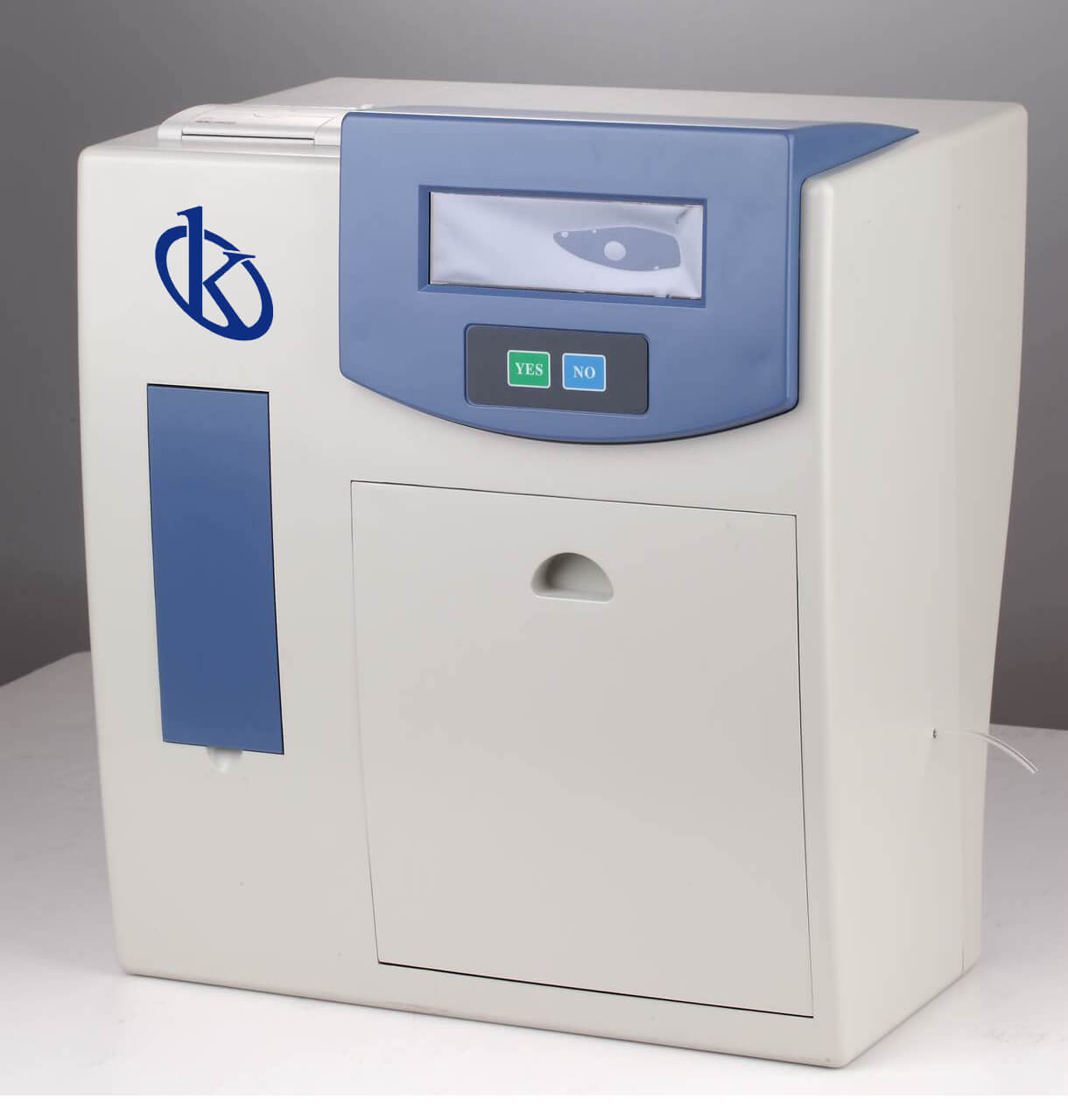
Integrating Electrolyte Analyzers with LIMS: Enhancing Data Flow in Laboratories
In the evolving landscape of laboratory testing, the integration of electrolyte analyzers with Laboratory Information Management Systems (LIMS) is becoming increasingly vital. This integration not only streamlines data management but also enhances workflow efficiency and accuracy. In this article, we will explore the various models of electrolyte analyzers, their unique features, and how they can be effectively integrated with LIMS to optimize laboratory operations.
Understanding the Role of Electrolyte Analyzers in LIMS
Electrolyte analyzers are essential tools in clinical laboratories, used for measuring the concentrations of various electrolytes in biological samples. These devices provide critical data that can influence patient care and treatment decisions. When integrated with a LIMS, electrolyte analyzers can facilitate real-time data transfer, thereby reducing manual entry errors and improving the overall quality of laboratory data.
The integration allows for seamless communication between the analyzer and the LIMS, ensuring that results are automatically recorded and accessible for analysis. This digitalization of data flow helps laboratories maintain compliance with industry standards and enhances operational efficiency.
Key Features of Electrolyte Analyzers
Modern electrolyte analyzers come equipped with a variety of features designed to improve accuracy and efficiency. Below are some critical aspects to consider when looking at the integration of these devices with LIMS:
- Automatic Calibration: Many analyzers, such as the YR05169, include automatic calibration features that adjust measurements in real-time, thus ensuring consistent accuracy.
- Real-Time Diagnostics: Devices like the YR05169 also offer real-time diagnostics, alerting operators to any issues that may arise during testing.
- User-Friendly Interfaces: The YR06391, equipped with a 7-inch color touchscreen, makes it easy for users to interact with the system and access data swiftly.
- Multi-Element Analysis: Analyzers such as the YR06395 can measure multiple electrolytes simultaneously, making them highly efficient for high-volume testing environments.
Benefits of LIMS Integration
Integrating electrolyte analyzers with LIMS provides numerous benefits to laboratories. Some of the most significant advantages include:
- Efficiency: Reduces the time taken for data entry and minimizes errors associated with manual input.
- Data Accuracy: Automated data transfer ensures that results are accurately recorded without the risk of human error.
- Regulatory Compliance: Helps laboratories maintain compliance with regulations by ensuring data integrity and traceability.
- Cost-Effectiveness: Reduces operational costs associated with labor and data management.
Comparison of Available Models
| Model | Connectivity | Protocols Supported | Integration Effort | Best For |
|---|---|---|---|---|
| YR05169 | USB, Ethernet | HL7, ASTM | Moderate | High-volume testing |
| YR06391 | USB | Custom API | Low | Small to medium labs |
| YR06392 | WiFi | HL7 | Moderate | Flexibility in sample handling |
| YR06393 | USB, Serial | Rest API | Low | Budget-friendly solutions |
| YR06394 | Ethernet | ASTM | High | Complex testing environments |
| YR06395 | WiFi, Bluetooth | Custom API | Low | Rapid response testing |
Common Mistakes and How to Avoid Them
When integrating electrolyte analyzers with LIMS, laboratories often make several common mistakes. Here are some pitfalls to avoid:
- Neglecting Training: Ensure that staff are adequately trained in both the use of the analyzers and the LIMS to prevent operational bottlenecks.
- Inadequate Planning: Develop a clear plan for integration that includes timelines and resource allocation to avoid disruptions in workflow.
- Ignoring Data Security: Implement robust security measures to protect sensitive patient data during the integration process.
- Failing to Test Integration: Conduct rigorous testing to ensure that data flows seamlessly between the analyzer and the LIMS before going live.
Frequently Asked Questions
How can I ensure compliance with ISO 17025 using electrolyte analyzers?
The YR05169 electrolyte analyzer is equipped with automatic calibration and real-time diagnostics, helping laboratories maintain compliance with ISO 17025 standards. Regular maintenance and validation processes within your LIMS can further support adherence to compliance requirements.
What are the cost benefits of integrating electrolyte analyzers with LIMS?
Integrating electrolyte analyzers like the YR06391 with LIMS can significantly reduce labor costs associated with data entry. This integration leads to a faster return on investment by enabling more efficient operations and reducing the potential for errors, which can incur additional costs.
Which electrolyte analyzer is best for high-volume testing environments?
The YR05169 is particularly well-suited for high-volume testing due to its advanced features such as automatic bubble detection and calibration. Its robust performance aligns well with the needs of busy clinical laboratories requiring rapid and accurate results.
How does LIMS integration improve data accuracy in laboratories?
LIMS integration with analyzers like the YR06395 ensures that data is automatically transferred, minimizing human error in the data entry process. This results in higher data accuracy, essential for patient safety and effective laboratory management.
What protocols should I consider for integrating electrolyte analyzers with LIMS?
When integrating electrolyte analyzers such as the YR06393, consider protocols like HL7 and ASTM for effective communication of biological data. These standards ensure seamless interoperability between devices and the LIMS, enhancing data exchange efficiency.
How do I select the right electrolyte analyzer for my laboratory's needs?
Choose an electrolyte analyzer based on your laboratory's size, testing volume, and required features. For instance, the YR06394 is suitable for more complex testing environments while the YR06391 is ideal for smaller labs looking for budget-friendly options.
What steps should be taken to implement LIMS integration for electrolyte analyzers?
To implement LIMS integration, begin by assessing your current infrastructure, selecting compatible electrolyte analyzers like the YR05169, and developing a detailed integration plan. Training staff and testing the system thoroughly before full deployment are also essential steps.
Can electrolyte analyzers reduce test turnaround times in laboratories?
Yes, modern electrolyte analyzers, such as the YR06395, are designed to optimize workflow, leading to reduced test turnaround times. Their ability to interface with LIMS accelerates the data reporting process, which is critical in clinical settings.
If you are looking for a fusion of innovation and quality, you have come to the right place. At Kalstein, we offer you the luxury of exploring our exclusive catalog of laboratory equipment. We manufacture every device to the highest standards of excellence. Our intuitive and seamless online purchasing channels are designed for your convenience, securing the most competitive prices. Hesitate no longer — we bring science to life, it is time to become part of our community.