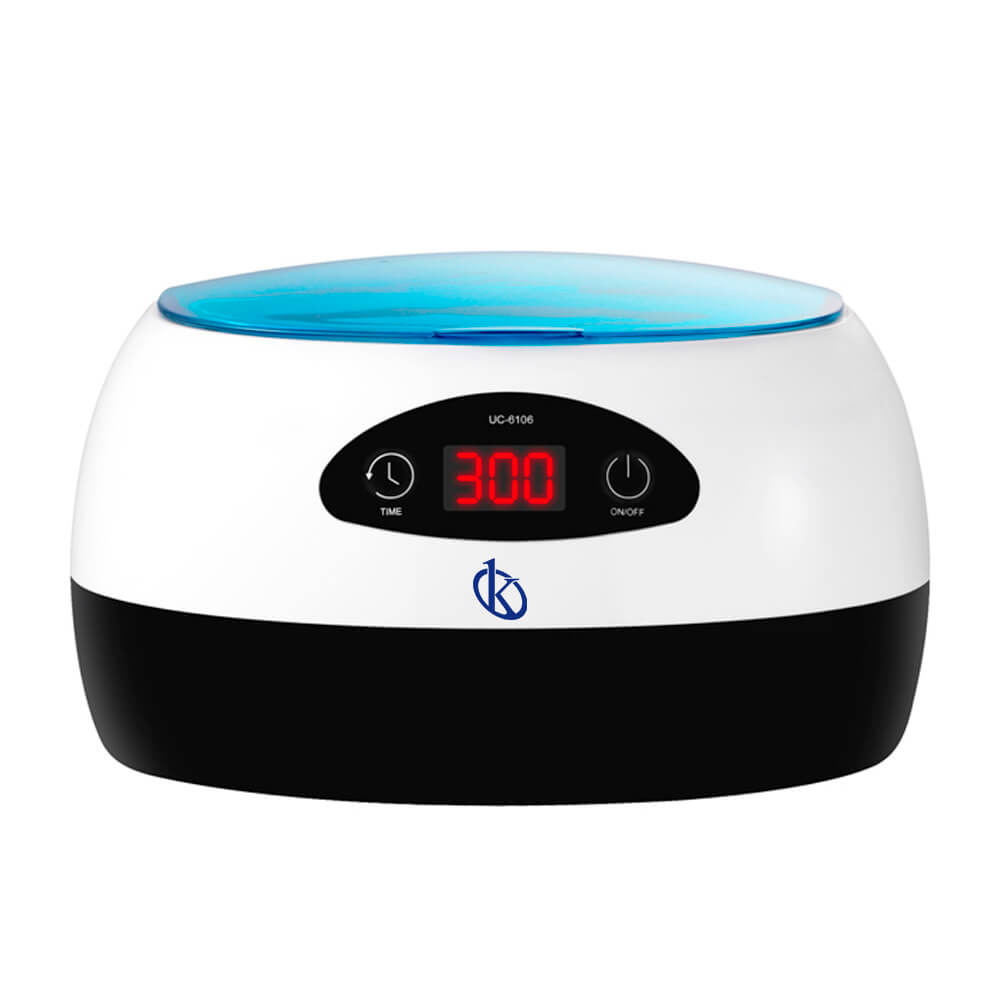
Integrating Digital Desktop Ultrasonic Cleaners with LIMS: A Comprehensive Approach
In the ever-evolving landscape of laboratory technology, digital desktop ultrasonic cleaners are becoming essential tools for maintaining cleanliness and precision in sample preparation. This article delves into the integration of these devices with Laboratory Information Management Systems (LIMS), emphasizing their role in data digitalization and improved operational workflows.
Understanding Digital Desktop Ultrasonic Cleaners
Digital desktop ultrasonic cleaners utilize high-frequency sound waves to agitate a fluid, creating cavitation bubbles that effectively remove dirt, debris, and contaminants from various items. These machines are particularly beneficial in laboratories where hygiene and accuracy are paramount.
Benefits of LIMS Integration
Integrating digital desktop ultrasonic cleaners with LIMS can streamline processes, enhance data accuracy, and facilitate compliance with regulatory standards. By connecting these two systems, laboratories can automate data capture, improve traceability, and reduce manual entry errors.
Comparison of Available Models
| Model | Capacitance (Liters) | Power (W) | Ultrasonic Frequency (KHz) | Best For |
|---|---|---|---|---|
| YR05231 | 0.75 | 50 | 42 | Jewelry, small parts |
| YR05232 | 1.4 | 60 | 40 | Jewelry cleaning |
| YR05229 | 0.6 | 50 | 42 | Lens cleaning |
| YR05230 | 2.5 | 60 | 42 | Dental, jewelry |
LIMS Connectivity Protocols
To successfully integrate ultrasonic cleaners with LIMS, understanding the connectivity protocols is essential. Common protocols include HL7, ASTM, and REST. These protocols facilitate seamless data exchange between the ultrasonic cleaner and the LIMS, ensuring that cleaning cycles and maintenance data are captured accurately.
Digitalization of Data Workflow
Digitalizing data from ultrasonic cleaners eliminates the need for paper logs, reducing human error and enhancing data integrity. By integrating these systems, laboratory professionals can efficiently monitor cleaning schedules, track usage, and maintain compliance with industry standards.
Common Mistakes and How to Avoid Them
When integrating ultrasonic cleaners with LIMS, labs often overlook calibration requirements and software compatibility. Ensure that all devices are calibrated according to ISO standards and that the LIMS software can handle data from multiple devices simultaneously.
Frequently Asked Questions
How can I ensure accurate data capture from ultrasonic cleaners integrated with LIMS?
To ensure accurate data capture, utilize models like YR05230 that offer digital controls, and ensure that your LIMS supports integration with ASTM protocols for seamless data transfer.
What is the recommended ultrasonic frequency for jewelry cleaning in ultrasonic cleaners?
For jewelry cleaning, an ultrasonic frequency of 40 KHz, such as in model YR05232, is recommended as it effectively removes contaminants without damaging delicate items.
How does integrating ultrasonic cleaners with LIMS improve compliance with industry regulations?
Integrating ultrasonic cleaners with LIMS, like model YR05231, allows for automated logging and traceability of cleaning cycles, which is essential for compliance with ISO 17025 standards.
What are the benefits of using ultrasonic cleaners in a dental laboratory?
Ultrasonic cleaners like YR05230 are ideal for dental laboratories due to their high capacity (2.5L), which allows for efficient cleaning of instruments while ensuring thorough sanitization.
How can ultrasonic cleaners enhance workflow efficiency in laboratories?
Ultrasonic cleaners automate the cleaning process, as seen with YR05229, reducing manual labor and allowing technicians to focus on other tasks, thus improving overall workflow efficiency.
Which model of ultrasonic cleaner is most suitable for lens cleaning?
The YR05229 model is designed specifically for lens cleaning, featuring a compact design and effective ultrasonic frequency that ensures thorough cleaning without scratching.
What are the key features to look for in a digital desktop ultrasonic cleaner?
Key features include adjustable timer settings, varying ultrasonic frequencies, and robust construction, such as in the YR05232, which enhances durability and cleaning efficiency.
How often should ultrasonic cleaners be calibrated for optimal performance?
Ultrasonic cleaners should be calibrated every 6 months to ensure optimal performance, particularly models like YR05230 that are used frequently in demanding environments.
If you are looking for a fusion of innovation and quality, you have come to the right place. At Kalstein, we offer you the luxury of exploring our exclusive catalog of laboratory equipment. We manufacture every device to the highest standards of excellence. Our intuitive and seamless online purchasing channels are designed for your convenience, securing the most competitive prices. Hesitate no longer — we bring science to life, it is time to become part of our community.