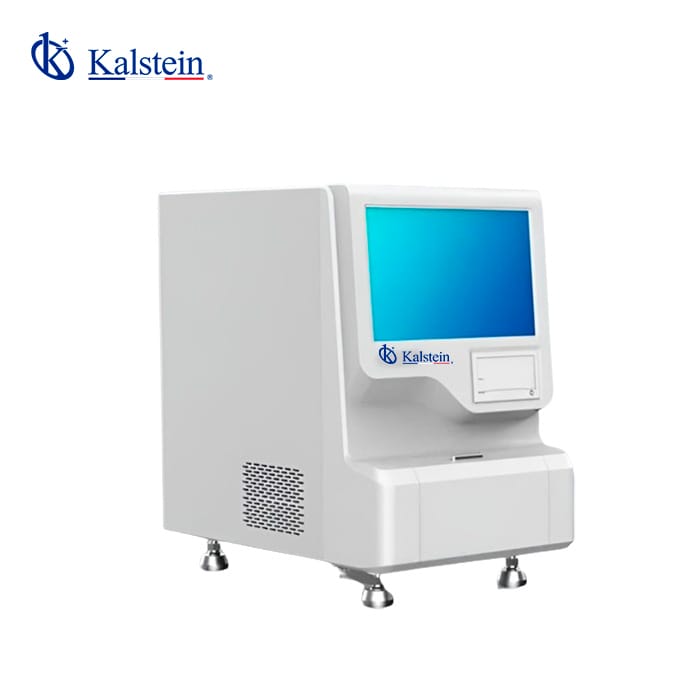
Integrating Chemiluminescent Immunoassay Analyzers with LIMS for Enhanced Data Workflow
The integration of Chemiluminescent Immunoassay Analyzers with Laboratory Information Management Systems (LIMS) is revolutionizing laboratory operations. By streamlining data workflows and enhancing connectivity, laboratories can achieve greater efficiency and accuracy in diagnostics. This article explores various models of Chemiluminescent Immunoassay Analyzers, their capabilities, and how they integrate with LIMS to optimize data handling and reporting.
The Importance of Integration with LIMS
Integrating Chemiluminescent Immunoassay Analyzers with LIMS facilitates seamless data transfer, ensuring that test results are readily available for analysis and reporting. This integration minimizes manual data entry errors, enhances traceability, and supports compliance with regulatory standards. Effective integration allows for real-time monitoring of test results and optimizes laboratory workflows.
Key Features of Chemiluminescent Immunoassay Analyzers
Understanding the features of various Chemiluminescent Immunoassay Analyzers is crucial for selecting the right model for your laboratory. These features include throughput, sample compatibility, and automation capabilities, which play significant roles in laboratory efficiency.
Comparison of Available Models
| Model | Sample Throughput | Data Handling Capability | Integration Features | Best Use Case |
|---|---|---|---|---|
| YR06387 | 8 channels | 100,000 patient entries | Compatible with LIMS | Clinical environments |
| YR06388 | 16 channels | >100,000 patient entries | Flexible integration | Emergency and clinical labs |
| YR06389 | 120 tests/hour | Integrated touch screen | Smart control technology | Urgent care environments |
| YR06390 | 220 tests/hour | Real-time results | Advanced connectivity | High throughput labs |
| YR06710 | 1-12 samples | Embedded calibration | User-friendly interface | Space-constrained environments |
LIMS Integration Protocols
To achieve successful integration, it is essential to utilize appropriate connectivity protocols such as HL7, ASTM, and REST. These protocols facilitate the exchange of information between Chemiluminescent Immunoassay Analyzers and LIMS, ensuring that data is transferred accurately and efficiently.
Addressing Common Mistakes in LIMS Integration
Laboratories often face challenges during the integration of analyzers with LIMS. Common mistakes include inadequate training, overlooking compatibility issues, and failing to establish clear communication between systems. Addressing these issues proactively can enhance the integration process and improve overall laboratory performance.
Maximizing Efficiency Through Data Digitalization
Data digitalization enables laboratories to optimize workflows by automating data entry and report generation. By integrating Chemiluminescent Immunoassay Analyzers with LIMS, laboratories can significantly reduce turnaround times and improve the accuracy of test results, ultimately benefiting patient care.
Case Studies of Successful Implementations
Numerous laboratories have successfully implemented LIMS integration with Chemiluminescent Immunoassay Analyzers, showcasing various benefits. These case studies highlight enhancements in operational efficiency, increased throughput, and improved data accuracy, reflecting the transformative impact of this integration.
Frequently Asked Questions
How does integrating a Chemiluminescent Immunoassay Analyzer improve laboratory workflow efficiency?
Integrating a Chemiluminescent Immunoassay Analyzer like the YR06390 with LIMS allows for automated data transfers, reducing manual entry errors and accelerating the reporting process, thereby improving overall workflow efficiency.
What are the best practices for LIMS integration with Chemiluminescent Immunoassay Analyzers?
Best practices include selecting compatible protocols (such as HL7), ensuring proper training for staff, and implementing a phased integration approach to troubleshoot any issues effectively, especially when using models like YR06388.
How can LIMS support compliance in laboratories using Chemiluminescent Immunoassay Analyzers?
LIMS can aid compliance by maintaining accurate records of all tests performed with Chemiluminescent Immunoassay Analyzers, such as the YR06387, ensuring traceability and facilitating audits required by regulatory bodies.
What types of data can be tracked through LIMS when using Chemiluminescent Immunoassay Analyzers?
LIMS can track patient results, quality control data, calibration information, and test performance metrics from Chemiluminescent Immunoassay Analyzers, such as the YR06389, enhancing data management capabilities.
How does the integration process differ between various models of Chemiluminescent Immunoassay Analyzers?
The integration process may differ based on the models' specific features and connectivity options. For instance, the YR06390 offers advanced connectivity options, which may require specialized setup compared to simpler models like YR06710.
What advantages do automated Chemiluminescent Immunoassay Analyzers offer for LIMS integration?
Automated Chemiluminescent Immunoassay Analyzers like the YR06388 enhance LIMS integration by providing real-time data reporting, minimizing operator intervention, and ensuring consistent data quality across testing procedures.
How can smaller laboratories benefit from integrating Chemiluminescent Immunoassay Analyzers with LIMS?
Smaller laboratories can benefit by streamlining data workflows, improving test turnaround times, and reducing operational costs through more efficient use of resources when integrating models like YR06710 with LIMS.
What are the potential challenges during the LIMS integration of Chemiluminescent Immunoassay Analyzers?
Challenges can include ensuring compatibility with existing systems, providing adequate staff training, and managing data migration, particularly for high-throughput systems like the YR06390, which require robust integration planning.
If you are looking for a fusion of innovation and quality, you have come to the right place. At Kalstein, we offer you the luxury of exploring our exclusive catalog of laboratory equipment. We manufacture every device to the highest standards of excellence. Our intuitive and seamless online purchasing channels are designed for your convenience, securing the most competitive prices. Hesitate no longer — we bring science to life, it is time to become part of our community.