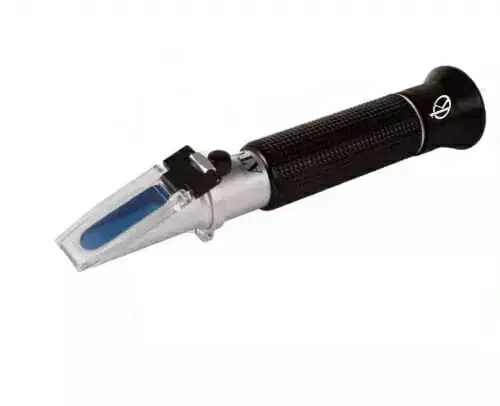
How to Integrate Wine Refractometers with LIMS for Data Digitalization?
The integration of laboratory equipment with Laboratory Information Management Systems (LIMS) is crucial for optimizing data flow and enhancing laboratory efficiency. This article focuses on wine refractometers and how they can be integrated with LIMS to streamline workflows, reduce data discrepancies, and enhance decision-making processes in laboratories. We will explore multiple models in this subcategory, examining their capabilities in relation to LIMS integration and data management.
Understanding Wine Refractometers
Wine refractometers are essential tools for analyzing the sugar content and alcohol levels in wine. They operate on the principle of measuring the refractive index of a liquid, which changes based on its sugar concentration. By using these devices, winemakers can assess the quality of their product throughout the fermentation process. With the advancement of technology, integrating these refractometers with LIMS allows for a seamless data management experience.
Benefits of LIMS Integration for Wine Refractometers
Integrating wine refractometers with LIMS offers numerous benefits, including:
- Enhanced Data Accuracy: Real-time data capture minimizes human error in recording measurements.
- Streamlined Workflows: Automated data entry and reporting save time and improve efficiency.
- Improved Data Accessibility: Centralized data enables easy access for analysis and decision-making.
- Regulatory Compliance: Proper data management supports compliance with industry standards.
Key Features to Consider for LIMS Integration
When selecting a wine refractometer for LIMS integration, consider the following features:
- Connectivity: Ensure the refractometer supports necessary connectivity protocols such as USB or Wi-Fi.
- Data Format Compatibility: Check whether the data output format matches LIMS requirements.
- Calibration Procedures: Look for models that allow easy calibration and maintenance.
- Temperature Compensation: Automatic Temperature Compensation (ATC) is vital for accurate readings.
Comparison of Available Models
| Model | Measurement Range | Min. Division | Precision | ATC | Material | Best for |
|---|---|---|---|---|---|---|
| YR05931 | 0-80% v/v | 1% v/v | ±1% v/v | No | Aluminum | Basic alcohol measurement |
| YR05932 | 0-25% vol, 0-40° Brix | 0.2% vol, 0.2° Brix | ±0.2% vol | Yes (10-30° C) | Aluminum | Wine production monitoring |
| YR05933 | 0-25% vol, 0-170° Oe | 0.2% vol, 1° Oe | ±0.2% vol | Yes (10-30° C) | Aluminum | Comprehensive analysis |
| YR05934 | 0-20° Baume, 0-25% vol | 0.2° Baume, 0.2% vol | ±0.2° Baume | Yes (10-30° C) | Aluminum | Quick readings |
| YR05935 | 0-20° Baume | 0.2° Baume | ±0.2° Baume | Yes (10-30° C) | Aluminum | Field tests |
| YR05936 | 0-80% vol | 1% vol | ±1% vol | No | Aluminum | Basic analysis |
Common Mistakes and How to Avoid Them
When integrating wine refractometers with LIMS, common mistakes can hinder performance. Here are a few to watch for:
- Inadequate Training: Ensure all staff are trained on both the refractometer and LIMS functionalities.
- Ignoring Calibration: Regular calibration is crucial for accurate measurements; neglecting this can lead to erroneous data.
- Data Format Issues: Ensure the data output from the refractometer matches the required input format for LIMS to avoid integration issues.
- Overlooking Software Updates: Keep both the LIMS software and refractometer firmware updated to improve compatibility and performance.
Frequently Asked Questions
How can I ensure accurate measurements with a wine refractometer integrated with LIMS?
To ensure accurate measurements with a wine refractometer like the YR05932 integrated with LIMS, utilize its automatic temperature compensation feature and perform regular calibrations according to manufacturer guidelines. This reduces discrepancies caused by temperature variations and enhances the precision of your data entries.
What are the benefits of using the YR05933 wine refractometer in a LIMS environment?
The YR05933 wine refractometer provides extensive measurement capabilities, including 0-25% vol and 0-170° Oe, making it well-suited for detailed analyses. When integrated with LIMS, it facilitates real-time data capture and centralized data management, improving decision-making efficiency.
Which integration protocols should I consider for wine refractometers?
When integrating wine refractometers with LIMS, you should consider protocols like USB, Wi-Fi, or Bluetooth for seamless connectivity. These protocols help ensure that models such as YR05932 can transfer data effectively into your LIMS, enhancing data accuracy and workflow efficiency.
How does the YR05934 model improve data management in laboratories?
The YR05934 model offers precise measurements and is equipped with automatic temperature compensation, which minimizes error in fluctuating conditions. By integrating it with LIMS, labs can ensure that data is accurately captured and logged, which is essential for compliance and historical data analysis.
What is the calibration frequency for wine refractometers in LIMS integration?
Calibration frequency for wine refractometers like the YR05931 should typically be done at the start of each shift or after any significant temperature change. Regular calibration ensures that your data integrity within LIMS is maintained and compliant with industry standards.
How does LIMS integration enhance the workflow of wine analysis?
LIMS integration enhances the workflow of wine analysis by automating data entry and report generation. This minimizes manual errors and allows for real-time analysis of data from instruments like the YR05933, improving overall laboratory efficiency.
What common issues arise during the integration of wine refractometers?
Common issues during integration include data format incompatibilities and insufficient training for users. Addressing these through comprehensive training and verifying compatibility of models like YR05932 with your LIMS will mitigate these challenges.
Why is automatic temperature compensation important in wine refractometers?
Automatic temperature compensation (ATC) is crucial in wine refractometers such as the YR05932, as it ensures accurate readings regardless of environmental conditions. This feature helps maintain the integrity of the data captured in LIMS, leading to better analysis outcomes.
If you are looking for a fusion of innovation and quality, you have come to the right place. At Kalstein, we offer you the luxury of exploring our exclusive catalog of laboratory equipment. We manufacture every device to the highest standards of excellence. Our intuitive and seamless online purchasing channels are designed for your convenience, securing the most competitive prices. Hesitate no longer — we bring science to life, it is time to become part of our community.