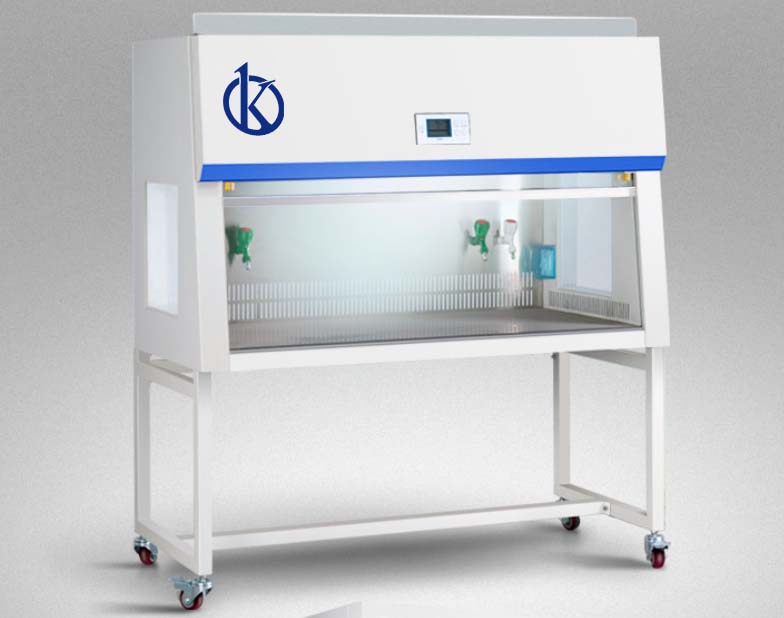
How to Integrate Vertical Laminar Flow Clean Benches with LIMS for Enhanced Data Management
In modern laboratories, efficiency and precision are paramount. One critical aspect is the integration of laboratory equipment like Vertical Laminar Flow Clean Benches with Laboratory Information Management Systems (LIMS). This integration not only optimizes data management and workflow but also ensures compliance with industry standards, thus enhancing overall laboratory productivity.
Understanding Vertical Laminar Flow Clean Benches
Vertical Laminar Flow Clean Benches are designed to provide a clean and sterile environment for various laboratory applications. These units protect sensitive samples from contamination while providing a user-friendly workspace. Such clean benches employ HEPA filters and are essential in fields like biotechnology, pharmaceuticals, and electronics. They operate by drawing air through high-efficiency particulate air (HEPA) filters, ensuring that the airflow is free from particulates.
Benefits of LIMS Integration
Integrating LIMS with Vertical Laminar Flow Clean Benches enhances operational efficiencies by automating data collection, sample tracking, and compliance management. This integration allows for real-time data entry, reducing human error and improving data integrity. Moreover, LIMS can help in maintaining detailed records of all experiments conducted, which is essential for regulatory compliance and audits.
Connection Protocols for LIMS Integration
When integrating Vertical Laminar Flow Clean Benches with LIMS, several connection protocols can be utilized. These include HL7, ASTM, and RESTful APIs. The choice of protocol often depends on the laboratory's existing infrastructure and specific needs. For instance, using REST API can facilitate smoother integration due to its lightweight nature and ease of use in web services.
Key Considerations for Integration
Before proceeding with the integration, consider the following aspects: compatibility of the clean bench models with LIMS, required hardware interfaces, and the training needs of laboratory personnel. Ensuring that the selected models can communicate effectively with the LIMS is crucial for a seamless workflow. Additionally, tailoring the training programs for staff will mitigate integration challenges.
Comparison of Available Models
| Model | Connectivity | Protocols Supported | Integration Effort | Best For |
|---|---|---|---|---|
| YR05267-1 | USB, Ethernet | HL7, ASTM | Moderate | Biotechnology |
| YR05734 | USB | HL7 | Low | Pharmaceuticals |
| YR05735 | Ethernet | REST | High | Electronics |
| YR05736 | USB, Ethernet | ASTM | Moderate | Biotechnology |
| YR05737 | USB | HL7 | Low | Pharmaceuticals |
| YR05738 | Ethernet | REST | High | Electronics |
Common Mistakes and How to Avoid Them
During the integration of Vertical Laminar Flow Clean Benches with LIMS, common pitfalls include underestimating the need for staff training and overlooking the compatibility of existing systems. To prevent these issues, conduct a thorough assessment of current infrastructure and ensure comprehensive training for lab personnel on both the LIMS and clean bench operation.
Frequently Asked Questions
How can I ensure my Vertical Laminar Flow Clean Bench meets LIMS standards?
To ensure compliance, integrate models like YR05267-1, which support HL7 protocols, allowing real-time data management essential for regulatory compliance.
What are the connectivity options for integrating Vertical Laminar Flow Clean Benches with LIMS?
Connectivity options vary by model, such as USB and Ethernet for YR05734, enabling seamless data transfer with Laboratory Information Management Systems.
Which Vertical Laminar Flow Clean Bench is best for pharmaceutical applications with LIMS?
The YR05737 model is well-suited for pharmaceuticals, featuring HL7 protocol support for effective integration with LIMS for accurate data management.
What are the typical integration challenges with LIMS and Vertical Laminar Flow Clean Benches?
Common challenges include compatibility issues and inadequate training; addressing these proactively can enhance the integration process and user experience.
How do I optimize my workflow using LIMS and Vertical Laminar Flow Clean Benches?
Optimizing workflow can be achieved by employing models like YR05735 that support REST protocols, enabling efficient data flow and automation.
What is the importance of real-time data management in laboratory settings?
Real-time data management, facilitated by models like YR05267-1, ensures accurate tracking and compliance, essential for maintaining laboratory standards and efficiency.
How do I choose the right Vertical Laminar Flow Clean Bench for my LIMS needs?
Evaluate models based on your laboratory's specific protocols and required connectivity; for instance, YR05738 provides high integration flexibility with REST support.
What are the energy consumption benefits of integrating LIMS with Vertical Laminar Flow Clean Benches?
Integrating LIMS can reduce energy waste by optimizing operational efficiency and scheduling, as seen in models like YR05736, which are designed for sustainable use.
If you are looking for a fusion of innovation and quality, you have come to the right place. At Kalstein, we offer you the luxury of exploring our exclusive catalog of laboratory equipment. We manufacture every device to the highest standards of excellence. Our intuitive and seamless online purchasing channels are designed for your convenience, securing the most competitive prices. Hesitate no longer — we bring science to life, it is time to become part of our community.