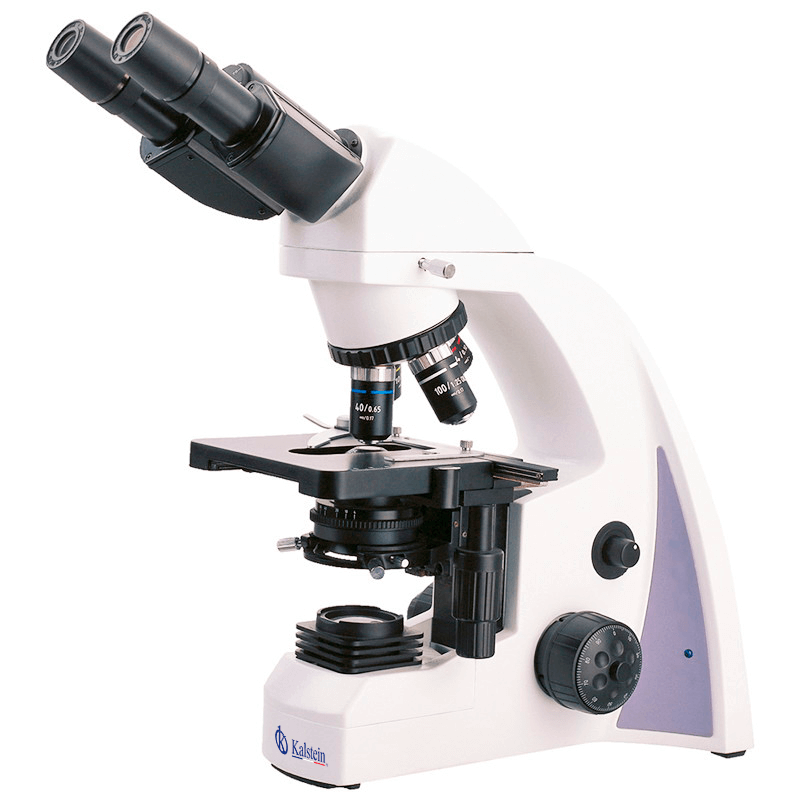
How to Integrate Laboratory Equipment with LIMS for Enhanced Data Flow
In today’s laboratory environments, the integration of laboratory equipment with Laboratory Information Management Systems (LIMS) is essential for efficient data management and operational excellence. This article delves into the nuances of integrating equipment such as laboratory microscopes and pipettes with LIMS, enhancing data workflows, and ultimately optimizing laboratory operations. We will explore specific models, their capabilities, and how they can streamline laboratory processes through digitalization.
Understanding the Importance of LIMS Integration
LIMS integration with laboratory equipment streamlines data entry, reduces errors, and enhances the overall efficiency of laboratory operations. By automating data flow, laboratories can improve compliance with regulatory standards and enhance traceability of samples. The integration not only saves time but also allows for better data management, critical for laboratories aiming for ISO 17025 compliance.
Key Benefits of Digitalizing Data Workflows
Digitalizing data workflows through LIMS integration offers numerous benefits including:
- Enhanced Efficiency: Streamlined processes reduce manual input and errors.
- Improved Compliance: LIMS provides tools for ensuring adherence to regulatory standards.
- Better Data Management: Centralized data allows for easy access and analysis.
- Real-Time Data Tracking: Quick access to data improves decision-making and operational speed.
Compatibility of Laboratory Equipment with LIMS
Laboratory equipment such as microscopes and pipettes must be compatible with LIMS for seamless integration. Each model may have different connectivity options, such as HL7 or ASTM protocols, crucial for data transfer to LIMS. Understanding these compatibility aspects is vital for selecting the right equipment for integration.
Specific Models and Their Integration Capabilities
Let's take a closer look at several models of laboratory equipment that can be effectively integrated with LIMS.
| Model Code | Type | Best For | Integration Features |
|---|---|---|---|
| YR0237-0-1 | Laboratory Microscope | Cell Analysis | Compatible with HL7 protocols for seamless data transfer |
| YR0237-1 | Laboratory Microscope | Histology | Supports ASTM data transfer protocols |
| YR03731-1 | Fluid Handling Pipette | Precision Liquid Handling | Integrates with LIMS for automated data logging |
Common Mistakes and How to Avoid Them
When integrating laboratory equipment with LIMS, several common pitfalls can occur. Here are some frequent mistakes and their solutions:
- Neglecting Compatibility: Always check if the selected equipment supports the required integration protocols.
- Underestimating Training Needs: Proper training for staff on using integrated systems is essential.
- Ignoring Data Security: Ensure that your data management complies with current regulations to protect sensitive information.
Comparison of Available Models
| Model | Connectivity | Protocols Supported | Integration Effort | Best For |
|---|---|---|---|---|
| YR0237-0-1 | USB | HL7 | Moderate | Cell Analysis |
| YR0237-1 | Wireless | ASTM | Low | Histology |
| YR03731-1 | Bluetooth | Custom API | High | Precision Liquid Handling |
Best Practices for LIMS Integration
To ensure successful integration of laboratory equipment with LIMS, consider the following best practices:
- Assess Needs: Determine the specific needs of your laboratory operations before selecting equipment.
- Plan for Training: Implement comprehensive training programs for staff on new systems.
- Test Integrations: Conduct thorough testing of systems to ensure data flows smoothly.
Frequently Asked Questions
How can I integrate my laboratory pipettes with LIMS for accurate data tracking?
Integrating laboratory pipettes such as the YR03731-1 with LIMS can be achieved using custom API protocols, allowing for accurate data logging and tracking of sample volumes. This integration enhances workflow efficiency and minimizes human error.
What are the key connectivity options for laboratory microscopes in LIMS integration?
Laboratory microscopes like the YR0237-1 offer connectivity through USB and wireless options, supporting protocols such as HL7 and ASTM. This flexibility ensures that data can be seamlessly transferred to LIMS, improving data accessibility and compliance.
Which integration protocols are most valuable for laboratory equipment using LIMS?
Protocols like HL7 and ASTM are invaluable for laboratory equipment integration with LIMS. They facilitate standardized data transfer, ensuring that equipment such as the YR0237-0-1 communicates effectively with LIMS, thus enhancing overall laboratory efficiency.
What type of training is necessary for staff using integrated laboratory systems?
Training should cover the specifics of operating integrated systems, understanding data management within LIMS, and troubleshooting common issues. For example, staff should be proficient in using models like the YR03731-1 for fluid handling, ensuring they can efficiently manage data entry and retrieval.
How does LIMS integration impact laboratory compliance with ISO 17025?
LIMS integration allows laboratories to maintain accurate records and streamline data management, crucial for ISO 17025 compliance. By utilizing integrated systems, laboratories can ensure that models such as the YR0237-1 meet necessary quality standards and regulatory requirements.
What are the potential costs associated with integrating laboratory equipment with LIMS?
Costs can vary based on the complexity of the integration, with basic models like the YR03731-1 being more budget-friendly. Factors include hardware costs, software licensing for LIMS, and training expenses, which are necessary for effective implementation and ongoing use.
What steps should laboratories take to ensure successful data flow post-integration?
After integration, laboratories should regularly review data flow processes to identify any bottlenecks or issues. Using models like the YR0237-1 for microscopy, labs can ensure data is captured accurately and efficiently, enhancing overall operational effectiveness.
How can I request a quote for LIMS-integrated laboratory equipment?
You can request a quote for LIMS-integrated laboratory equipment directly through our catalog. Models like the YR0237-0-1 and YR03731-1 are available, and our team can assist you with tailored options that best fit your laboratory's needs.
If you are looking for a fusion of innovation and quality, you have come to the right place. At Kalstein, we offer you the luxury of exploring our exclusive catalog of laboratory equipment. We manufacture every device to the highest standards of excellence. Our intuitive and seamless online purchasing channels are designed for your convenience, securing the most competitive prices. Hesitate no longer — we bring science to life, it is time to become part of our community.