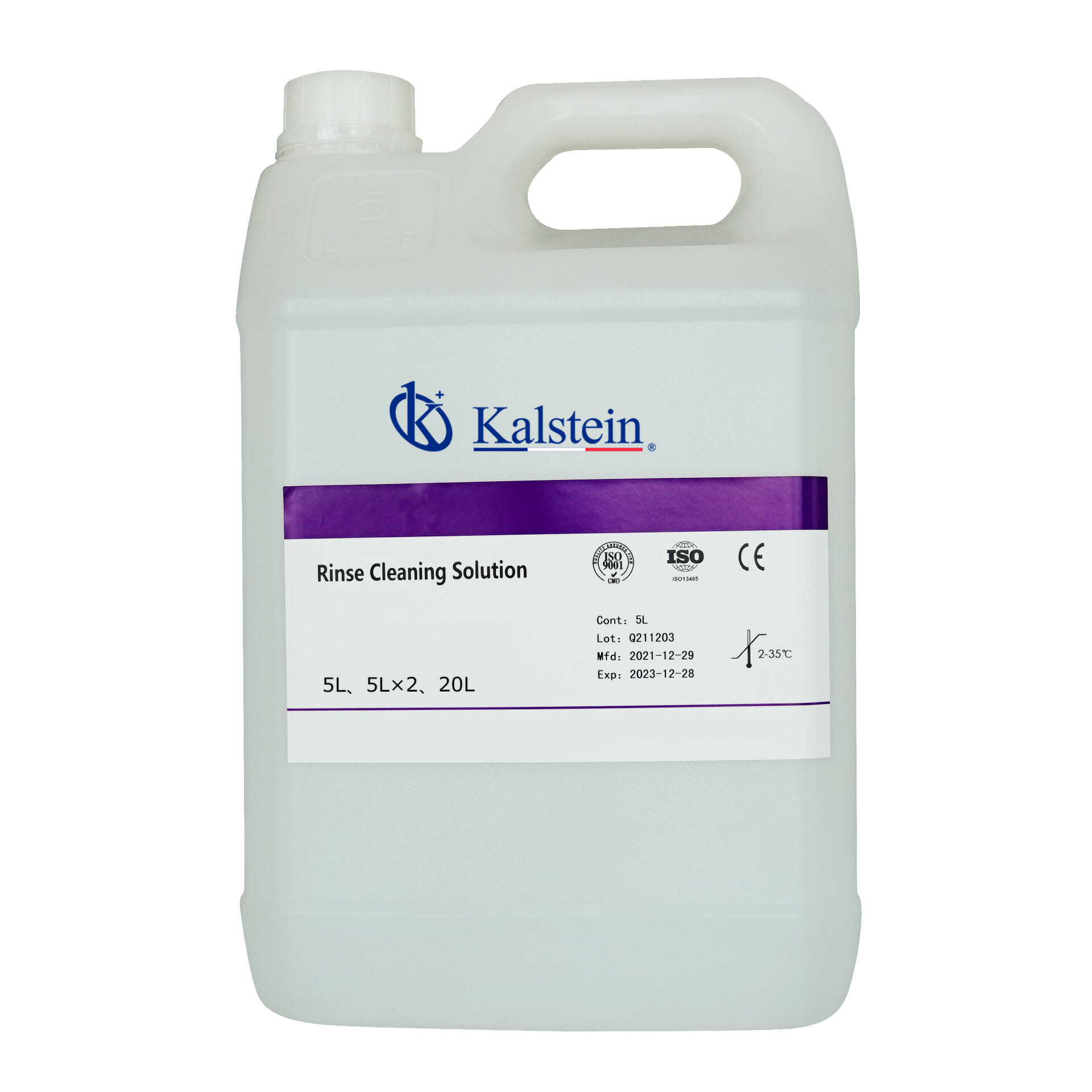
How to Integrate Hematology Reagents with LIMS for Efficient Data Flow
In today’s laboratory environment, the integration of hematology reagents with Laboratory Information Management Systems (LIMS) is crucial for streamlining data flow and increasing operational efficiency. This article delves into the various models of hematology reagents available, their specific applications, and how they can seamlessly connect with LIMS to optimize laboratory workflows.
Understanding Hematology Reagents
Hematology reagents play a pivotal role in analyzing blood samples for various parameters, including cell counts and hemoglobin levels. Utilizing the right reagents ensures accurate results that align with laboratory standards. Various models of hematology reagents provide different functionalities, which can significantly affect the integration with LIMS.
Key Models of Hematology Reagents
Here are several notable models in the hematology reagent family:
- YRA45: This model facilitates cleaning the reaction system in blood analyzers, making it ideal for maintaining the integrity of tests.
- YRA46: Known for its lysis functionality, this reagent helps destroy red blood cells and dissolve hemoglobin.
- YRA47: This model clears samples, ensuring that data collected is precise and reliable.
- YRA48: As an EZ cleaner, it simplifies sample processing while ensuring high-quality outcomes.
- YRA49: A probe cleaner that ensures the cleanliness of the analytical instruments.
- YRA50: A diluent that is essential for preparing samples for analysis.
LIMS Integration: The Digitalization of Data Flow
Integrating hematology reagents with LIMS involves several critical steps, including defining connectivity protocols, implementing middleware solutions, and ensuring data integrity and sovereignty. A well-integrated LIMS can automate data collection from hematology analyzers, reducing manual entry errors and enhancing compliance with regulatory requirements.
Key Protocols for Integration
Common protocols include HL7, ASTM, and REST. These standards ensure that data from hematology analyzers is transmitted accurately and securely to the LIMS, allowing for real-time data access and reporting.
Comparison of Available Models
| Model | Functionality | Best for | Integration Ease |
|---|---|---|---|
| YRA45 | Cleaning System | High-Volume Testing | Moderate |
| YRA46 | Red Cell Lysis | Hemoglobin Analysis | Easy |
| YRA47 | Sample Clearing | Precision Testing | Moderate |
| YRA48 | EZ Cleaning | Automated Systems | Easy |
| YRA49 | Probe Cleaning | Regular Maintenance | Easy |
| YRA50 | Dilution | Sample Preparation | Moderate |
Benefits of Integrating Hematology Reagents with LIMS
The benefits of integrating hematology reagents with LIMS are manifold:
- Improved Efficiency: Automating data entry reduces the time spent on manual tasks.
- Enhanced Accuracy: Direct data capture from hematology analyzers minimizes errors associated with manual input.
- Regulatory Compliance: Integration ensures that laboratories meet the necessary compliance standards, such as ISO 17025.
Common Mistakes and How to Avoid Them
Many laboratories encounter pitfalls when integrating LIMS with hematology reagents. Here are some common mistakes and strategies to avoid them:
- Neglecting Training: Ensure that staff are adequately trained in using both reagents and LIMS.
- Underestimating Data Migration: Take time to plan and validate the data migration process to avoid loss of information.
- Ignoring Compatibility Issues: Always verify that the chosen reagents and LIMS are compatible to avoid integration issues.
Frequently Asked Questions
What are the key features of hematology reagents for LIMS integration?
The key features of hematology reagents for LIMS integration include compatibility with various connectivity protocols such as HL7 and ASTM, which ensure smooth data transfer. Models like YRA46 provide efficient lysis functions while integrating seamlessly with LIMS, enhancing data accuracy and operational efficiency.
How can LIMS improve the efficiency of hematology reagents?
LIMS can significantly improve the efficiency of hematology reagents by automating data entry and analysis processes. For example, using YRA45 with a well-configured LIMS allows laboratories to streamline cleaning procedures and reduce manual errors, ensuring reliable test results.
Which hematology reagent model is best for automated systems?
The YRA48 model, known as EZ Cleaner, is particularly well-suited for automated systems as it simplifies the cleaning process while ensuring high-quality outcomes. Its integration with LIMS can enhance the overall efficiency of laboratory workflows.
How does LIMS data integration affect regulatory compliance in hematology?
Integrating LIMS data with hematology reagents enhances regulatory compliance by ensuring accurate and traceable data management. Models like YRA46 help labs meet quality standards such as ISO 17025 by providing effective lysis processes while maintaining thorough documentation.
What are the costs associated with implementing LIMS in hematology labs?
The costs associated with implementing LIMS in hematology labs vary widely depending on specific system requirements and reagent integration. Typically, initial expenses cover software licensing, hardware, and training. Utilizing models like YRA47 can help optimize processes, potentially lowering costs in the long run.
What challenges do laboratories face when integrating hematology reagents with LIMS?
Laboratories often face challenges such as data compatibility, staff training, and ensuring accurate data migration when integrating hematology reagents with LIMS. Addressing these challenges upfront, particularly with models like YRA49 that facilitate cleaning and maintenance, can lead to smoother integration.
How to choose the right hematology reagent model for LIMS integration?
Choosing the right hematology reagent model for LIMS integration involves assessing the laboratory's specific needs, including capacity, types of tests performed, and compatibility with the existing LIMS system. Models like YRA50 offer flexibility and ease of use, making them suitable options.
Conclusion
Integrating hematology reagents with LIMS is essential for modern laboratories seeking to enhance efficiency and accuracy. By understanding the various models available and their specific functionalities, laboratories can streamline data flow and improve compliance with regulatory standards.
For personalized consultation regarding hematology reagents and LIMS integration, feel free to request a quote. Our team is ready to help you enhance your laboratory operations.
If you are looking for a fusion of innovation and quality, you have come to the right place. At Kalstein, we offer you the luxury of exploring our exclusive catalog of laboratory equipment. We manufacture every device to the highest standards of excellence. Our intuitive and seamless online purchasing channels are designed for your convenience, securing the most competitive prices. Hesitate no longer — we bring science to life, it is time to become part of our community.