How to Integrate Beer Refractometers with LIMS for Enhanced Data Flow?
In the brewing industry, precision and efficiency are paramount. Integrating Beer Refractometers with Laboratory Information Management Systems (LIMS) can drastically enhance data flow, ensuring accuracy in monitoring and managing brewing processes. This article will explore how various Beer Refractometer models integrate with LIMS, focusing on their specifications and the overall benefits of digitalizing data workflows.
Understanding Beer Refractometers and Their Role in Brewing
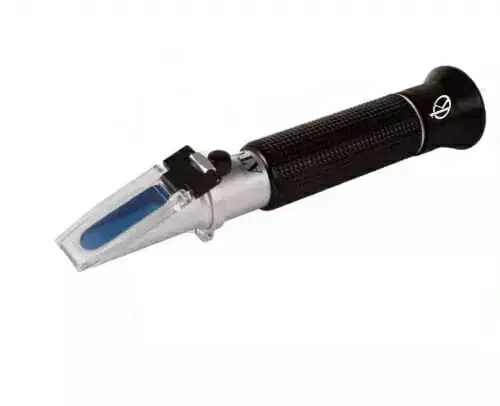
Beer refractometers, like the models YR05939, YR05940, YR05941, YR05942, and YR05943, are critical tools for measuring the sugar content in brewing solutions. These devices provide instant gravity readings during various stages of brewing without the need for complex conversions. The integration of these instruments with LIMS enables seamless data capture, analysis, and reporting, crucial for maintaining quality control and regulatory compliance.
Benefits of LIMS Integration with Beer Refractometers
Integrating beer refractometers with LIMS offers numerous benefits, including:
- Real-time Data Collection: Automated data transfer ensures accurate and timely readings from refractometers directly into the LIMS.
- Improved Traceability: Integration enhances traceability of brewing processes, enabling detailed tracking of each batch.
- Data Analysis: LIMS tools allow for advanced analysis and reporting, identifying trends and ensuring consistency in production.
- Regulatory Compliance: Automated documentation helps meet industry standards and regulatory requirements.
Key Specifications of Beer Refractometers
Each beer refractometer model comes with distinct features that enhance operational efficiency:
| Model | Measurement Range | Min. Division | Accuracy | ATC | Material |
|---|---|---|---|---|---|
| YR05939 | 0-32% Brix | 0.2% Brix | ±0.2% Brix | Yes | Aluminum |
| YR05940 | 0-32% Brix | 0.2% Brix | ±0.2% Brix | Yes | Aluminum |
| YR05941 | 0-32% Brix | 0.2% Brix | ±0.2% Brix | Yes | Aluminum |
| YR05942 | 0-32% Brix | 0.2% Brix | ±0.2% Brix | Yes | Aluminum |
| YR05943 | 0-32% Brix | 0.2% Brix | ±0.2% Brix | Yes | Aluminum |
Comparison of Available Models
| Model | Integration Capability | Supported Protocols | Best For |
|---|---|---|---|
| YR05939 | High | HL7, ASTM | Small Breweries |
| YR05940 | Moderate | LIS2-A2 | Craft Breweries |
| YR05941 | High | REST APIs | Commercial Breweries |
| YR05942 | Moderate | Middleware | Experimental Labs |
| YR05943 | High | Custom Interfaces | Industrial Applications |
Common Mistakes and How to Avoid Them
When integrating beer refractometers with LIMS, common mistakes can undermine efficiency:
- Neglecting Calibration: Regular calibration of models like YR05940 is essential for accuracy.
- Overlooking Data Security: Ensure robust security measures are in place to protect sensitive brewing data.
- Inadequate Training: Provide thorough training for staff on using integrated systems effectively.
Frequently Asked Questions
What are the benefits of LIMS integration for Beer Refractometers?
LIMS integration automates data collection from Beer Refractometers like YR05939, enhancing accuracy and efficiency in tracking sugar levels during brewing. This reduces manual errors and improves compliance with industry standards.
How do Beer Refractometers help in quality control processes?
In quality control, models such as YR05941 provide instantaneous readings, eliminating the need for complex calculations. This ensures that the brewing process remains consistent and meets required specifications.
Which protocols are best supported by Beer Refractometers in LIMS?
Beer Refractometers like YR05940 support protocols such as HL7 and ASTM, facilitating seamless data transfer between devices and LIMS, crucial for maintaining quality standards throughout the brewing process.
How can I ensure accurate measurements from my Beer Refractometer?
To ensure accuracy, regularly calibrate your Beer Refractometer, such as the YR05942, following the manufacturer’s guidelines, and ensure that all setups are within the recommended temperature range.
What are common mistakes when using Beer Refractometers with LIMS?
Common mistakes include not calibrating equipment like YR05943 regularly, neglecting data security, and failing to train staff properly on system integration. These oversights can impact data accuracy and compliance.
How does using a Beer Refractometer improve data management in brewing?
Using models like YR05939 improves data management by automating sugar content readings, which are then captured in LIMS for analysis. This leads to more informed decisions and streamlined production processes.
What features should I look for in a Beer Refractometer for LIMS integration?
When choosing a Beer Refractometer for LIMS integration, consider features like connectivity options, data transfer protocols, and accuracy level, as seen in models like YR05940 that support HL7 and ASTM protocols.
How can I maximize the efficiency of my Beer Refractometer in a digital workflow?
To maximize efficiency, select a Beer Refractometer with high integration capability, such as YR05941, and ensure that your LIMS is configured to support real-time data updates for immediate analysis and reporting.
If you are looking for a fusion of innovation and quality, you have come to the right place. At Kalstein, we offer you the luxury of exploring our exclusive catalog of laboratory equipment. We manufacture every device to the highest standards of excellence. Our intuitive and seamless online purchasing channels are designed for your convenience, securing the most competitive prices. Hesitate no longer — we bring science to life, it is time to become part of our community.